
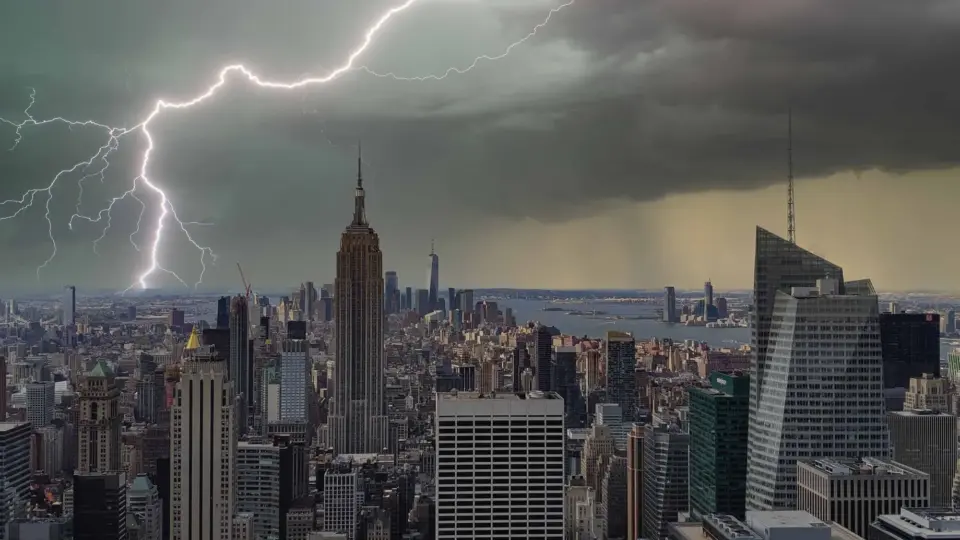
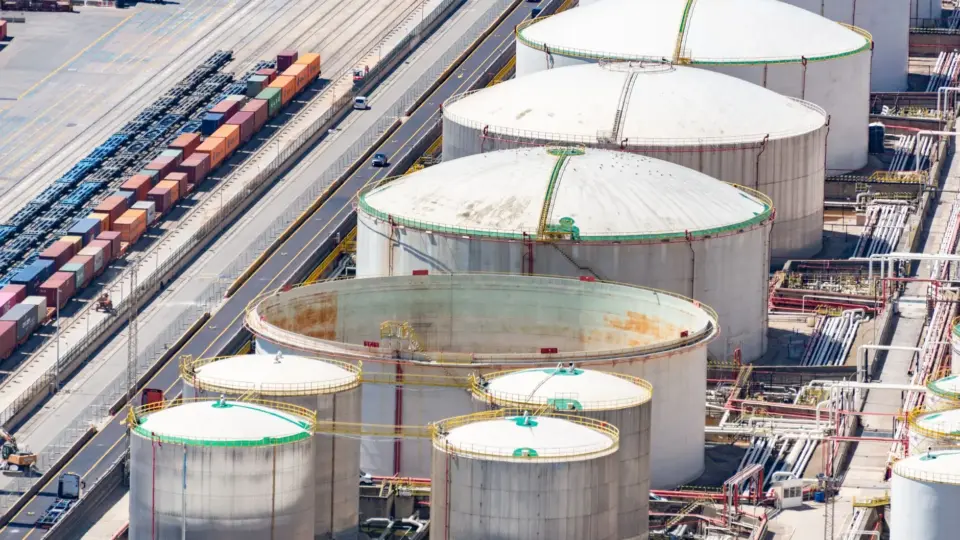






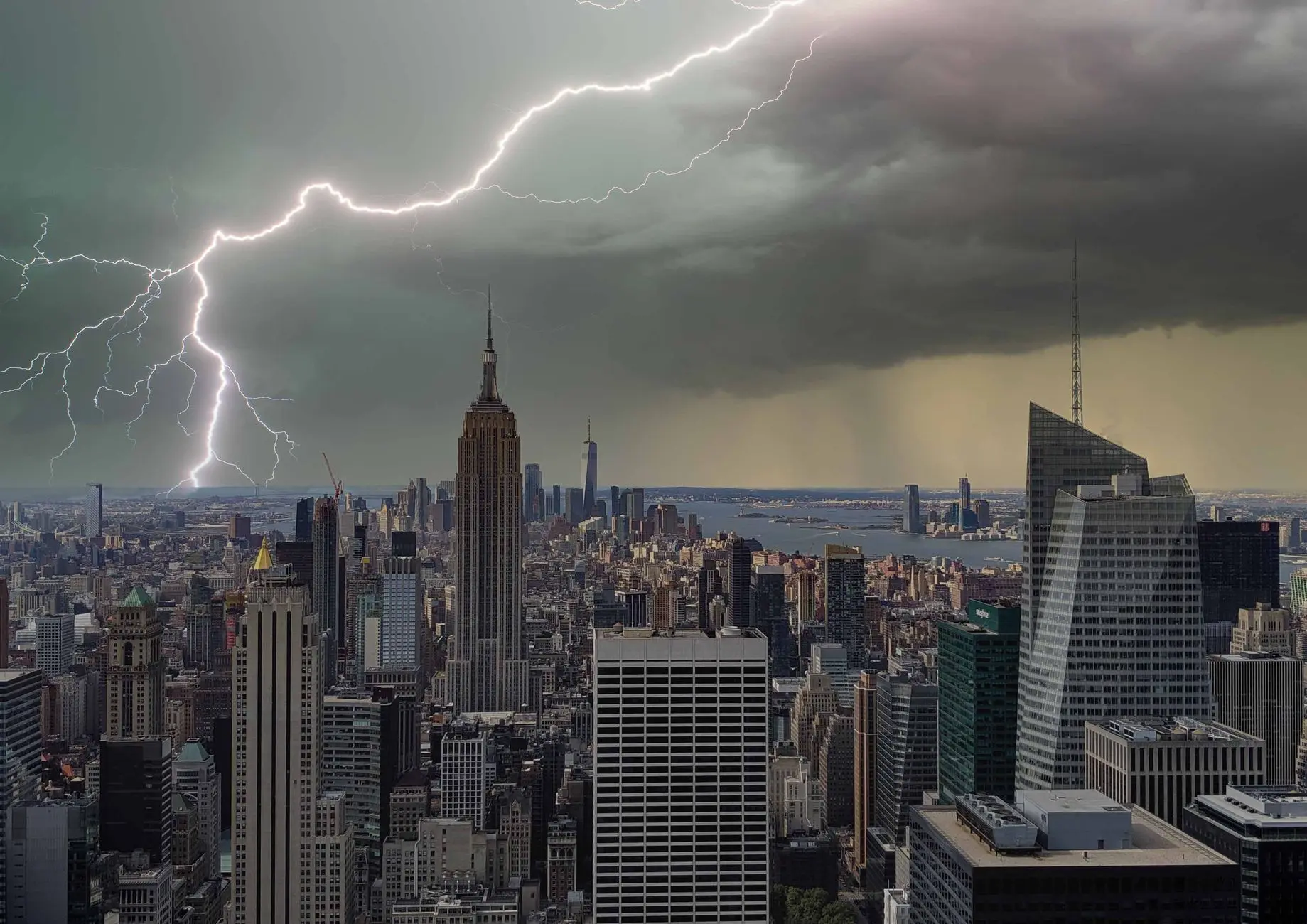
- Extreme weather events expose critical fragilities in aging power grid infrastructure along the U.S. East Coast.
- Transportation networks, especially rail and road arteries, face cascading failures under storm conditions, complicating emergency response.
- Investment shortfalls and fragmented governance hinder timely modernization and resilience upgrades.
- Climate-driven storm intensity necessitates a strategic pivot toward integrated infrastructure planning and adaptive technologies.
What happened
A severe storm system swept through the U.S. East Coast in late November, inflicting widespread disruptions across multiple infrastructure sectors. The storm precipitated extensive power outages affecting millions of residents from the Mid-Atlantic to New England. Simultaneously, key transportation corridors experienced flooding and physical damage, impeding commuter and freight mobility. Emergency services faced logistical challenges due to compromised roadways and rail lines, while utility crews grappled with restoring power amid hazardous conditions. These events collectively underscored persistent vulnerabilities in critical infrastructure networks.
Why it matters
The incident highlights the tangible risks posed by aging and inadequately maintained infrastructure in the face of increasingly frequent and intense storms. Power outages not only disrupt daily life but also jeopardize healthcare delivery, communication systems, and economic activity. Transportation bottlenecks exacerbate these impacts by delaying recovery efforts and constraining supply chains. The storm serves as a stark reminder that infrastructure resilience is not merely an engineering challenge but a fundamental component of public safety and economic stability. Without proactive adaptation, future extreme weather events will exact progressively higher social and economic costs.
Industry context
The U.S. power grid, particularly in the densely populated East Coast corridor, comprises a patchwork of legacy systems dating back decades. Many transmission and distribution assets are vulnerable to storm damage due to above-ground lines and obsolete equipment. Likewise, transportation infrastructure—roads, bridges, rail networks—often lacks sufficient flood mitigation measures. Regulatory and funding frameworks remain fragmented, with responsibilities divided among federal, state, and municipal entities, complicating coordinated upgrades. Meanwhile, climate projections indicate that storms will increase in frequency and severity, intensifying the pressure on infrastructure systems designed for a different environmental baseline.
Analysis
The storm’s impact reveals a confluence of structural and systemic challenges. Physical vulnerabilities, such as exposed power lines and flood-prone transport corridors, interact with governance limitations, including delayed investment approvals and inconsistent standards across jurisdictions. This dynamic results in reactive, rather than anticipatory, infrastructure management. Modernization efforts must therefore transcend piecemeal fixes, embracing holistic resilience strategies that integrate grid hardening, smart technologies, and nature-based solutions like wetland restoration for flood control. Additionally, enhancing interagency coordination and financing mechanisms is critical to achieving scalable, timely implementation. The storm exposes how incremental deterioration, combined with climatic stressors, can trigger cascading failures, underscoring the need for infrastructure systems designed with adaptive capacity at their core.
What to watch next
Attention will focus on policy responses at the federal and state levels, particularly whether emergency funding allocations translate into sustained, strategic infrastructure investments. Regulatory reforms targeting streamlined project approvals and enhanced resilience standards are also likely to gain traction. Technological deployments—such as underground power lines, grid automation, and advanced flood sensors—will be indicators of shifting priorities. Equally important is the evolution of intergovernmental collaboration frameworks to manage complex, multi-jurisdictional infrastructure networks effectively. Monitoring how utilities and transportation agencies integrate climate risk projections into long-term planning will provide insight into the sector’s readiness to confront future extreme weather events.
Ask AI about this story
Answers are based on this article and SN Media’s related coverage. AI can make mistakes.
Frequently asked questions
What specific infrastructure failures did the East Coast storm expose?
The storm caused extensive power outages due to vulnerabilities in aging above-ground power lines and obsolete equipment, and it damaged transportation networks including roads, bridges, and rail lines, leading to flooding and mobility disruptions.
Why is the current infrastructure on the East Coast particularly vulnerable to storms?
The infrastructure is largely composed of legacy systems with exposed components and insufficient flood mitigation, compounded by fragmented governance and delayed investments, making it ill-equipped to handle increasingly intense climate-driven storms.
What are the main challenges to improving infrastructure resilience identified in the article?
Challenges include physical vulnerabilities, inconsistent standards across jurisdictions, fragmented regulatory and funding frameworks, and a tendency toward reactive rather than proactive infrastructure management.
What future developments should be monitored to assess infrastructure resilience progress?
Key indicators include federal and state policy responses, emergency funding allocation, regulatory reforms for streamlined approvals and resilience standards, deployment of advanced technologies like underground lines and flood sensors, and improved intergovernmental collaboration.
Continue the story
 BACKGROUND · How we got here
The Economic Impact of the Nor’easter: Costs and Recovery Challenges
- BACKGROUND · How we got here How US Air Traffic Control Outages Expose Vulnerabilities in National Infrastructure
- BACKGROUND · How we got here Analyzing the Surge in High-Profile Tech Outages: Are They Truly Unrelated?
- BACKGROUND · How we got here How United Airlines’ Tech Outage Highlights Vulnerabilities in Airline IT Infrastructure
- BACKGROUND · How we got here Global Reliance on Microsoft Services: A Vulnerability Exposed