








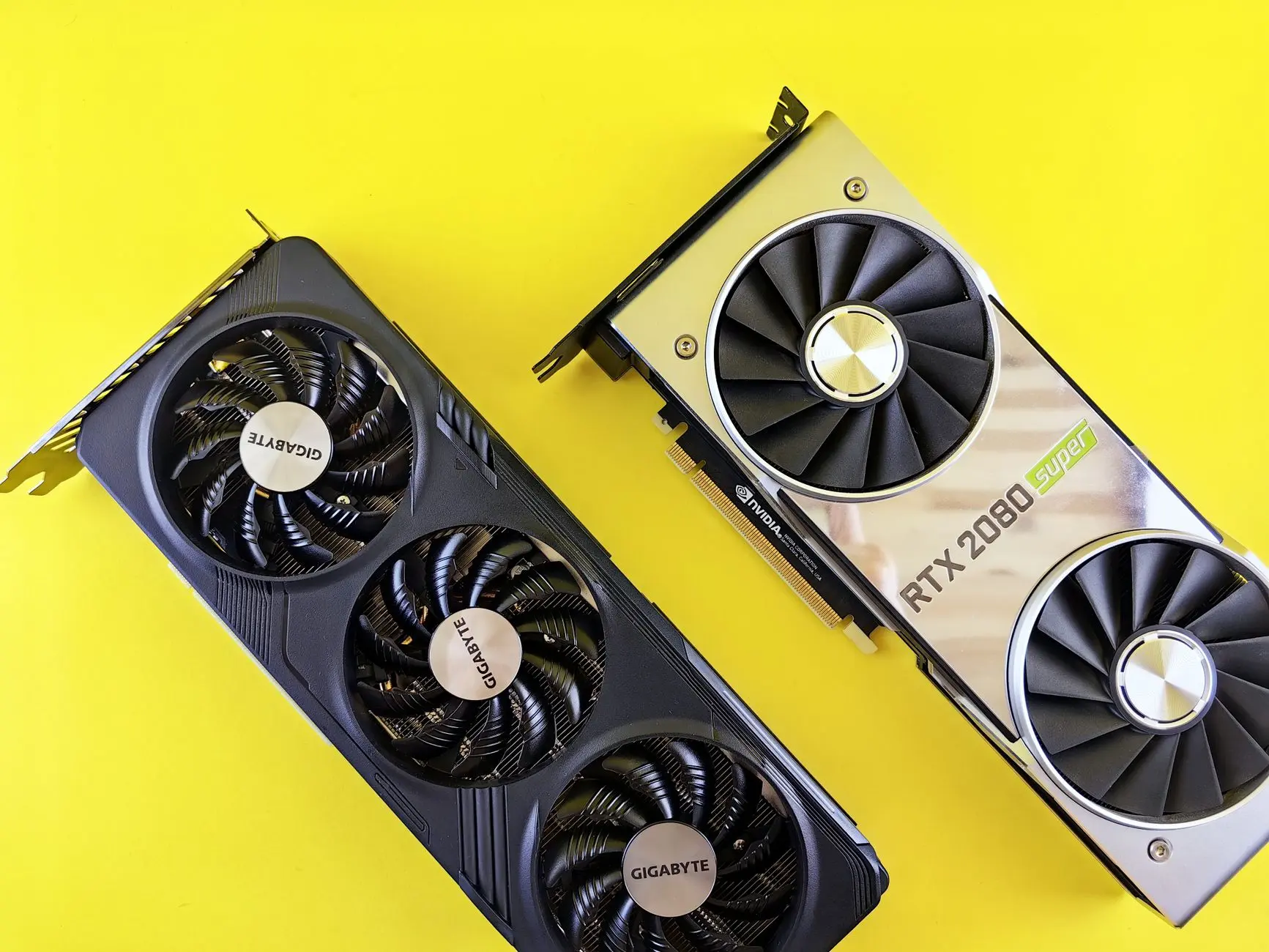
- Jensen Huang’s reinstatement as Nvidia CEO has catalyzed a marked recovery in US tech stocks.
- Investor confidence hinges on leadership stability amid ongoing sector volatility.
- The Nvidia rebound underscores the semiconductor industry’s central role in broader market dynamics.
- Future market trajectories remain contingent on sustained execution and macroeconomic conditions.
What happened
Nvidia, the semiconductor giant pivotal to the technology sector, saw a significant leadership development with the return of Jensen Huang as chief executive officer. This move followed a period of heightened volatility in US tech stock futures, triggered by a sharp selloff that rattled investor sentiment. Huang’s reinstatement was widely interpreted by market participants as a stabilizing factor, quickly translating into a rebound in Nvidia’s share price. The uplift extended beyond Nvidia itself, contributing to a broader recovery in US stock futures, particularly within the technology-heavy indices.
Why it matters
Leadership in technology firms like Nvidia carries outsized influence on market expectations due to the sector’s sensitivity to innovation cycles and capital allocation. Huang’s return offers a tangible anchor amid a turbulent environment characterized by shifting trade policies, supply chain disruptions, and inflationary pressures. The renewed confidence in Nvidia’s direction reflects investor prioritization of proven strategic stewardship, especially for companies at the forefront of semiconductor design and AI chip production. As Nvidia is integrally connected to the supply chains and growth trajectories of numerous tech subsectors, its stock performance acts as a bellwether for the sector’s health and investor appetite for risk.
Industry context
The semiconductor industry remains a linchpin for the global technology landscape, underpinning advancements in artificial intelligence, cloud computing, and consumer electronics. However, it has faced mounting challenges over recent years, including geopolitical tensions affecting supply chains, cyclical demand fluctuations, and capital-intensive innovation demands. Nvidia’s leadership has historically been linked to significant technological breakthroughs and market share expansion, especially in graphics processing units (GPUs) and AI accelerators. The current leadership shift occurs against the backdrop of intensified competition from rivals such as AMD and Intel, as well as emerging players in Asia, all vying for dominance in next-generation chip technologies.
Analysis
The market response to Huang’s reinstatement reveals a broader pattern where investor confidence is closely tied to executive continuity and strategic clarity in high-tech enterprises. Nvidia’s ability to maintain momentum in product development and market penetration has been critical to its valuation, particularly as it navigates complex supply chain constraints and shifting customer demand. Huang’s return signals a recommitment to long-term innovation strategies that had propelled Nvidia to its leading position, potentially mitigating concerns about fragmentation in leadership vision. The rebound in US stock futures following this announcement suggests that market participants view leadership stability as a prerequisite for navigating the current phase of technological disruption and economic uncertainty.
At the same time, the episode highlights the fragile equilibrium in tech sector valuations, where shifts in confidence can amplify price volatility. The broader industry’s reliance on semiconductor supply and innovation cycles means that leadership changes at marquee companies like Nvidia can have ripple effects across the sector and related markets. This dynamic underscores the importance of governance and strategic execution in maintaining investor trust amid ongoing macroeconomic challenges.
What to watch next
Market observers will closely monitor Nvidia’s operational performance and strategic announcements in the coming quarters to assess the durability of the leadership effect. Key indicators include product launch success, supply chain resilience, and progress in AI and data center markets. Additionally, developments in US-China trade relations and semiconductor policy will play a critical role in shaping the competitive environment. The broader tech sector’s ability to absorb shocks and sustain investment hinges on how companies like Nvidia manage innovation pipelines and navigate geopolitical risks. Fluctuations in US stock futures will likely remain sensitive to these factors, making the semiconductor industry a focal point for understanding future market volatility and growth potential.
Ask AI about this story
Answers are based on this article and SN Media’s related coverage. AI can make mistakes.
Frequently asked questions
What impact did Jensen Huangu2019s return as Nvidia CEO have on US stock futures?
Jensen Huangu2019s return was seen as a stabilizing factor that led to a rebound in Nvidiau2019s share price and contributed to a broader recovery in US stock futures, especially within technology-heavy indices.
Why is Nvidiau2019s leadership considered important for the tech sector?
Nvidiau2019s leadership influences market expectations due to the sectoru2019s sensitivity to innovation and capital allocation; Huangu2019s return provides strategic stability amid challenges like trade policies, supply chain issues, and inflation.
What challenges does the semiconductor industry currently face according to the article?
The semiconductor industry faces geopolitical tensions affecting supply chains, cyclical demand fluctuations, capital-intensive innovation demands, and intensified competition from rivals such as AMD, Intel, and emerging Asian players.
What factors will determine the future market trajectory following Nvidiau2019s leadership change?
Future market trajectories depend on Nvidiau2019s sustained execution in product development, supply chain resilience, AI market progress, and broader macroeconomic conditions including US-China trade relations and semiconductor policies.
Continue the story
 LATEST
The Impact of Jensen Huang’s Return on Global Tech Debt Markets
- BACKGROUND · How we got here Nvidia’s Strategic Shift Post-Jensen Huang: What Investors Need to Know
- BACKGROUND · How we got here Analyzing Nvidia’s Stock Plunge Amid Leadership Changes and Market Pressures
- LATEST The Political Playbook: How Trump’s Endorsement Influenced Nvidia’s Leadership Shakeup