








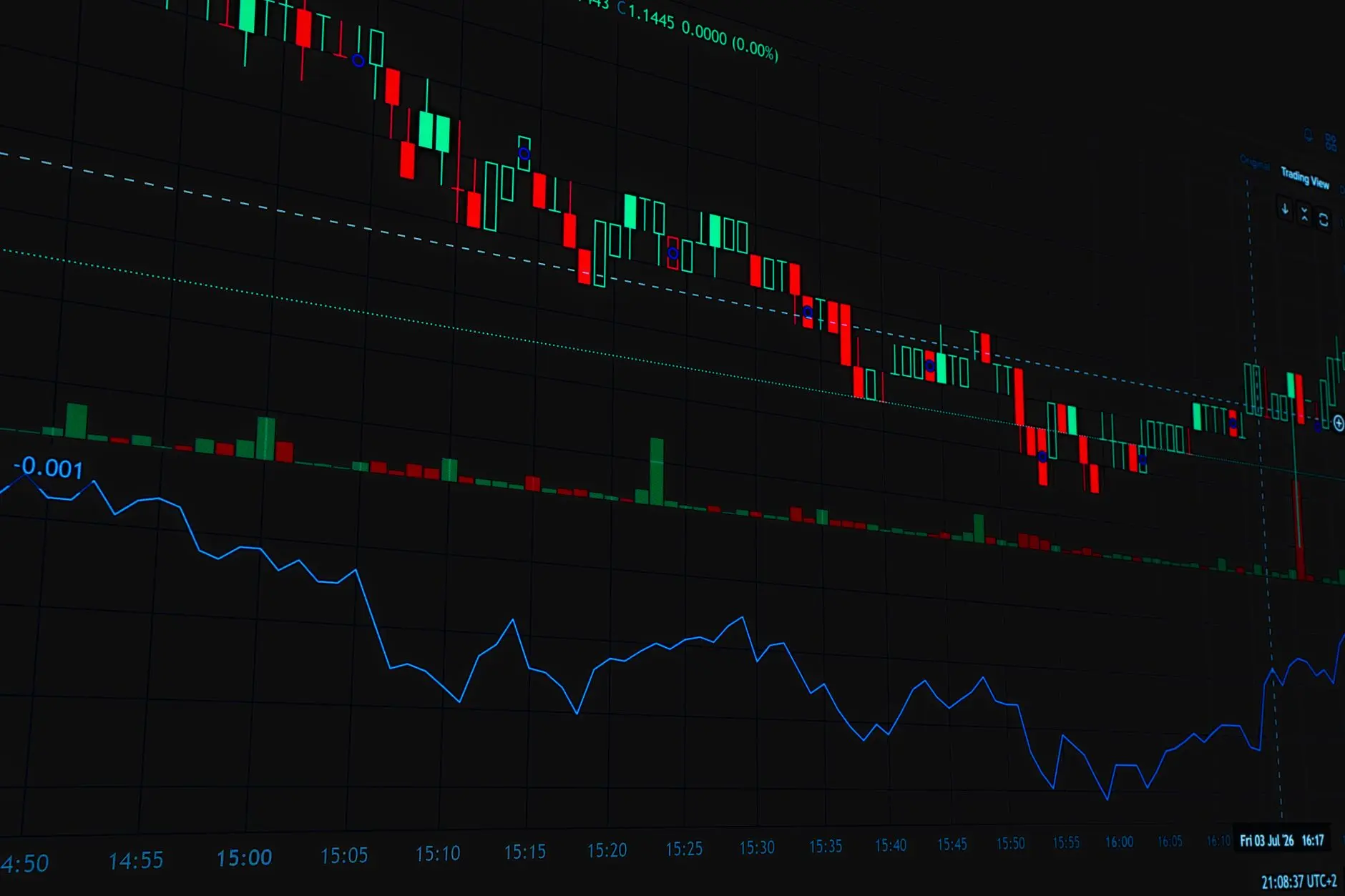
- China’s AI stock surge reached an estimated $1.7 trillion market value before collapsing sharply in late 2026.
- Government policy shifts and regulatory tightening disrupted investor confidence and growth projections.
- Market exuberance was fueled by speculative trading and overreliance on nascent AI technology adoption metrics.
- International trade tensions and capital outflows exacerbated volatility and sector-specific vulnerabilities.
The Rise of China’s AI Stock Boom
In the early to mid-2020s, China’s AI sector emerged as a powerful magnet for domestic and international capital, culminating in a dramatic surge that pushed its market capitalization to approximately $1.7 trillion by mid-2026. This rise was propelled by a confluence of factors: aggressive government investment in AI research and infrastructure, a proliferation of AI startups and public companies, and a global wave of optimism about AI’s transformative potential. The Chinese government’s AI development roadmap, paired with the rapid expansion of digital industries, created an environment where AI firms commanded soaring valuations. Speculative trading further amplified this momentum, as retail and institutional investors rushed to capitalize on perceived first-mover advantages in sectors ranging from autonomous vehicles to facial recognition and natural language processing.
Why the Boom Unraveled
The subsequent collapse in China’s AI stocks was not a sudden event but the result of accumulating pressures that eroded investor confidence. Regulatory tightening played a critical role: authorities imposed stricter data privacy rules, increased scrutiny on AI ethics, and curtailed unchecked technology exports, signaling a shift from growth-at-all-costs to controlled, sustainable development. These policy shifts disrupted business models that had heavily relied on data access and cross-border collaboration. Additionally, the initial exuberance overlooked the long development timelines and uncertain commercial viability of many AI applications, leading to a reassessment of growth projections. The broader macroeconomic context, marked by rising geopolitical tensions—especially with the United States—and tighter capital controls, further restricted liquidity and increased risk aversion among investors.
Industry Context and Structural Dynamics
China’s AI stock boom must be understood within the framework of its unique state-market relations and strategic economic priorities. The government’s dual role as regulator and investor created inherent contradictions: while channeling resources into AI development, it simultaneously imposed constraints that limited market freedom. Unlike the U.S. ecosystem, where venture capital and market-driven innovation dominate, China’s AI industry depended heavily on state-led initiatives and subsidies, which inflated valuations without corresponding profitability. Moreover, the sector’s reliance on sophisticated hardware imports and international collaboration exposed vulnerabilities to trade restrictions and technology decoupling. The AI sector’s volatility also reflects broader challenges facing China’s technology markets, such as shifting regulatory regimes, evolving consumer behavior, and the balancing act between innovation and control.
Analytical Perspectives on Market Behavior
The speculative nature of the AI stock boom reveals the complex interplay between investor psychology and policy signals. Initial gains were driven by narratives of rapid technological breakthroughs and strategic imperatives to lead global AI development. However, many companies lacked clear paths to profitability, relying instead on aggressive revenue growth assumptions and capital-intensive R&D. As regulatory bodies signaled caution, the market recalibrated expectations, triggering a sharp sell-off. This episode underscores the risks of conflating technological promise with immediate financial returns, especially in sectors where innovation cycles are lengthy and outcomes uncertain. Furthermore, the boom-and-bust cycle highlights the influence of retail investor participation in China’s stock markets, which can amplify volatility amid shifting policy landscapes.
What to Watch Next
Looking forward, the trajectory of China’s AI sector will hinge on the government’s ability to balance innovation incentives with regulatory oversight. Key indicators include the evolution of data governance frameworks, adjustments in funding mechanisms for AI research, and shifts in international cooperation amid geopolitical friction. Market participants should also monitor the maturation of AI business models and the emergence of profitable applications beyond hype-driven subfields. The resolution of U.S.-China technology decoupling will be critical, as access to advanced hardware and software remains a strategic bottleneck. Ultimately, sustainable growth in China’s AI sector will require integrating technological ambition with pragmatic governance and realistic market expectations, a complex task that will shape global AI competition in the years ahead.
Ask AI about this story
Answers are based on this article and SN Media’s related coverage. AI can make mistakes.
Frequently asked questions
What caused the initial surge in Chinau2019s AI stock market to reach $1.7 trillion?
The surge was driven by aggressive government investment in AI research and infrastructure, a rapid increase in AI startups and public companies, global optimism about AIu2019s potential, and speculative trading by retail and institutional investors.
What factors led to the collapse of Chinau2019s AI stocks after mid-2026?
The collapse resulted from regulatory tightening on data privacy and AI ethics, restrictions on technology exports, reassessment of overly optimistic growth projections, geopolitical tensions, and tighter capital controls that reduced liquidity and increased investor risk aversion.
How did Chinau2019s unique state-market relationship affect the AI stock boom and bust?
Chinau2019s government acted both as regulator and investor, promoting AI development while imposing constraints that limited market freedom. This dual role, combined with reliance on state-led initiatives and subsidies, inflated valuations without ensuring profitability, and exposed the sector to vulnerabilities from trade restrictions and technology decoupling.
What are the key factors to watch for the future of Chinau2019s AI sector?
Future developments depend on how the government balances innovation incentives with regulatory oversight, changes in data governance and funding for AI research, progress in profitable AI business models, and the resolution of U.S.-China technology decoupling affecting access to advanced hardware and software.
Continue the story
 LATEST
The AI Bubble Burst: What the Nasdaq 100’s Bear Market Means for Tech Investors