








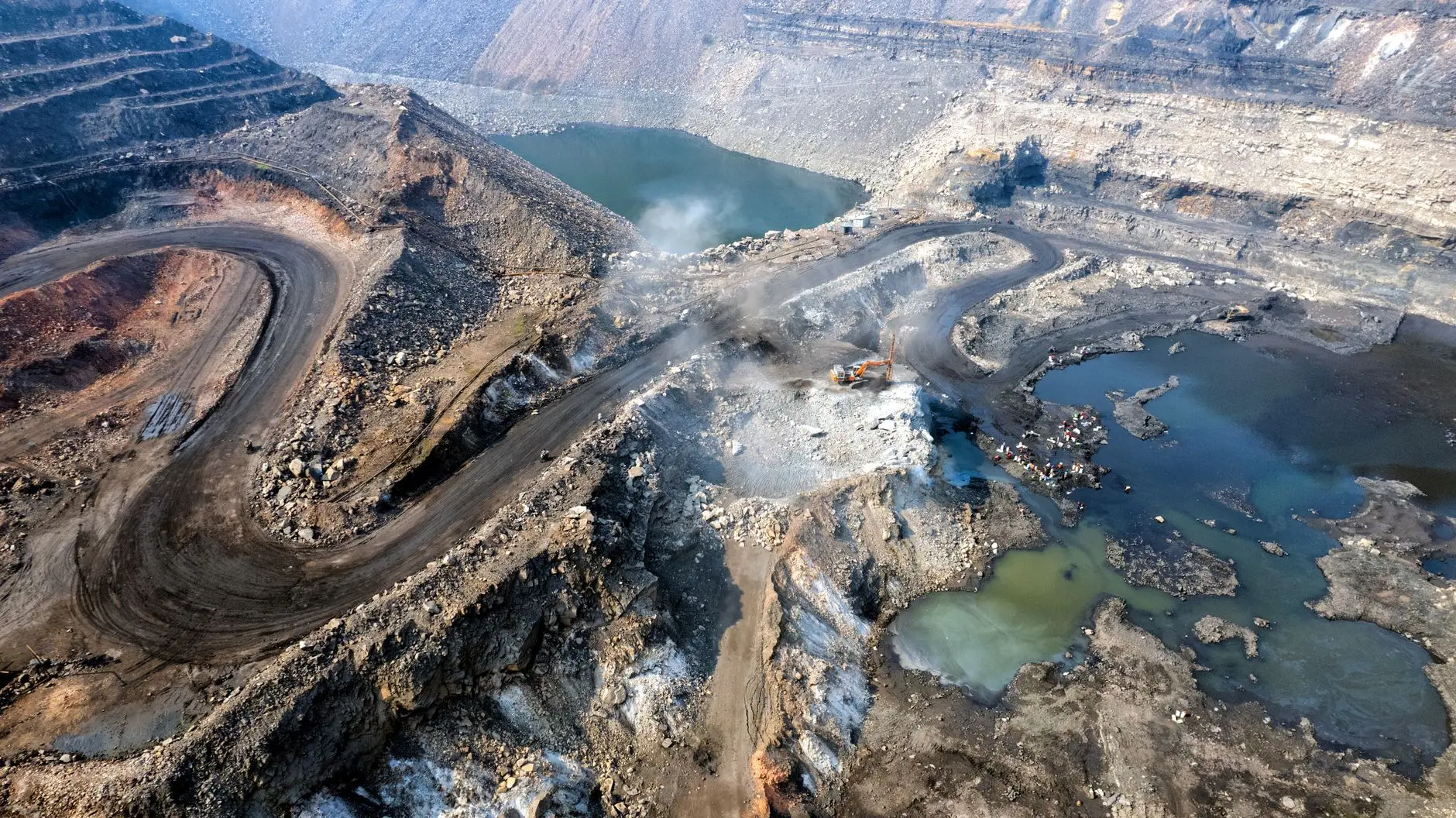
- EU regulators are intensifying scrutiny on Chinese acquisitions of mining assets linked to critical raw materials outside Europe.
- MMG Ltd’s $500 million purchase of Anglo American’s Brazilian assets faces new evidence requirements amid supply security concerns.
- The EU’s expanded regulatory framework reflects growing geopolitical tensions and aims to reduce dependency on non-EU suppliers.
- This development signals heightened challenges for Chinese state-linked firms seeking strategic resource access in Latin America.
What happened
European Union regulatory authorities have escalated their oversight of Chinese investments in Latin American mining, specifically targeting MMG Ltd’s acquisition of Anglo American’s Brazilian copper and zinc assets. The $500 million transaction, announced earlier this year, is now subject to more stringent evidence submissions, reflecting the EU’s concerns over potential risks to critical raw material supply chains. The European Commission’s intensified review process demands detailed disclosures on the buyer’s operational control, financing arrangements, and ultimate beneficial ownership, highlighting a departure from prior, more permissive evaluations of resource sector investments outside Europe.
Why it matters
This heightened regulatory scrutiny is a strategic pivot by the EU to safeguard its access to minerals vital for green energy technologies, digital infrastructure, and defense industries. Copper and zinc are classified among critical raw materials essential for the EU’s industrial transformation and decarbonization goals. The EU’s concern centers on reducing dependency on supply chains vulnerable to geopolitical disruptions, particularly those involving China, whose state-linked enterprises have aggressively expanded their global mining footprint. By intensifying review standards, the EU aims to prevent foreign acquisitions that could jeopardize the reliability and diversification of its raw material imports.
Industry context
Chinese mining companies, often with state backing, have systematically increased their presence in Latin America, a region rich in copper, lithium, and other critical minerals. These acquisitions provide China with a strategic advantage in securing upstream resources required for battery production and electronics manufacturing. Meanwhile, the European Union has introduced new legislative measures, such as the Critical Raw Materials Act and reinforced foreign investment screening mechanisms, to address vulnerabilities exposed by supply chain disruptions during the COVID-19 pandemic and rising geopolitical rivalries. This regulatory tightening coincides with broader Western efforts to counterbalance China’s influence in global resource markets.
Analysis
The EU’s approach reflects a complex balancing act between fostering open investment environments and protecting economic sovereignty. The requirement for enhanced evidence from MMG Ltd signals an evolution in regulatory practice, where the identity and origin of investment capital are scrutinized not only for immediate economic effects but also for strategic implications. The focus on Anglo American’s Brazilian assets is illustrative: while Latin American mining has traditionally been viewed through a bilateral trade lens, the EU is now considering the geopolitical dimension more explicitly. This shift may complicate Chinese firms’ acquisition strategies, potentially deterring transactions that lack transparent governance structures or that raise questions about state influence. It also underscores the EU’s recognition that supply chain security extends beyond its borders, necessitating extraterritorial regulatory vigilance.
What to watch next
Attention will turn to how MMG Ltd responds to the EU’s additional evidence requirements and whether the European Commission adopts a precedent-setting position that could redefine investment norms in the mining sector. Observers should also monitor whether other Chinese acquisitions in Latin America encounter similar hurdles, signaling a systemic tightening. Parallel developments in allied jurisdictions, such as the United States and Canada, may reinforce this trend, shaping a new geopolitical landscape for resource acquisition. Finally, the effectiveness of the EU’s regulatory measures in diversifying and securing critical raw material supplies, amid rising competition and geopolitical contestation, will remain a crucial metric for policymakers and industry stakeholders alike.
Ask AI about this story
Answers are based on this article and SN Media’s related coverage. AI can make mistakes.
Frequently asked questions
What specific EU regulatory changes are affecting MMG Ltdu2019s acquisition of Anglo Americanu2019s Brazilian mining assets?
The EU now requires more stringent evidence submissions from MMG Ltd, including detailed disclosures on operational control, financing arrangements, and ultimate beneficial ownership, reflecting heightened scrutiny over supply security risks.
Why is the EU intensifying scrutiny on Chinese mining investments in Latin America?
The EU aims to safeguard access to critical raw materials essential for green energy, digital infrastructure, and defense by reducing dependency on supply chains vulnerable to geopolitical disruptions, particularly those involving Chinese state-linked enterprises.
How does this regulatory tightening reflect broader geopolitical trends?
The EUu2019s actions are part of a wider Western effort to counterbalance Chinau2019s growing influence in global resource markets, with new legislative measures and reinforced foreign investment screening addressing vulnerabilities exposed by recent supply chain disruptions and geopolitical rivalries.
What are the potential implications if MMG Ltd does not meet the EUu2019s new evidence requirements?
It remains unconfirmed, but failure to satisfy the EUu2019s demands could complicate or delay the acquisition, potentially setting a precedent that deters similar Chinese investments lacking transparent governance or raising concerns about state influence.
Continue the story
 BACKGROUND · How we got here
How the Democratic Midterm Victory is Reshaping U.S. Critical Minerals Policy