








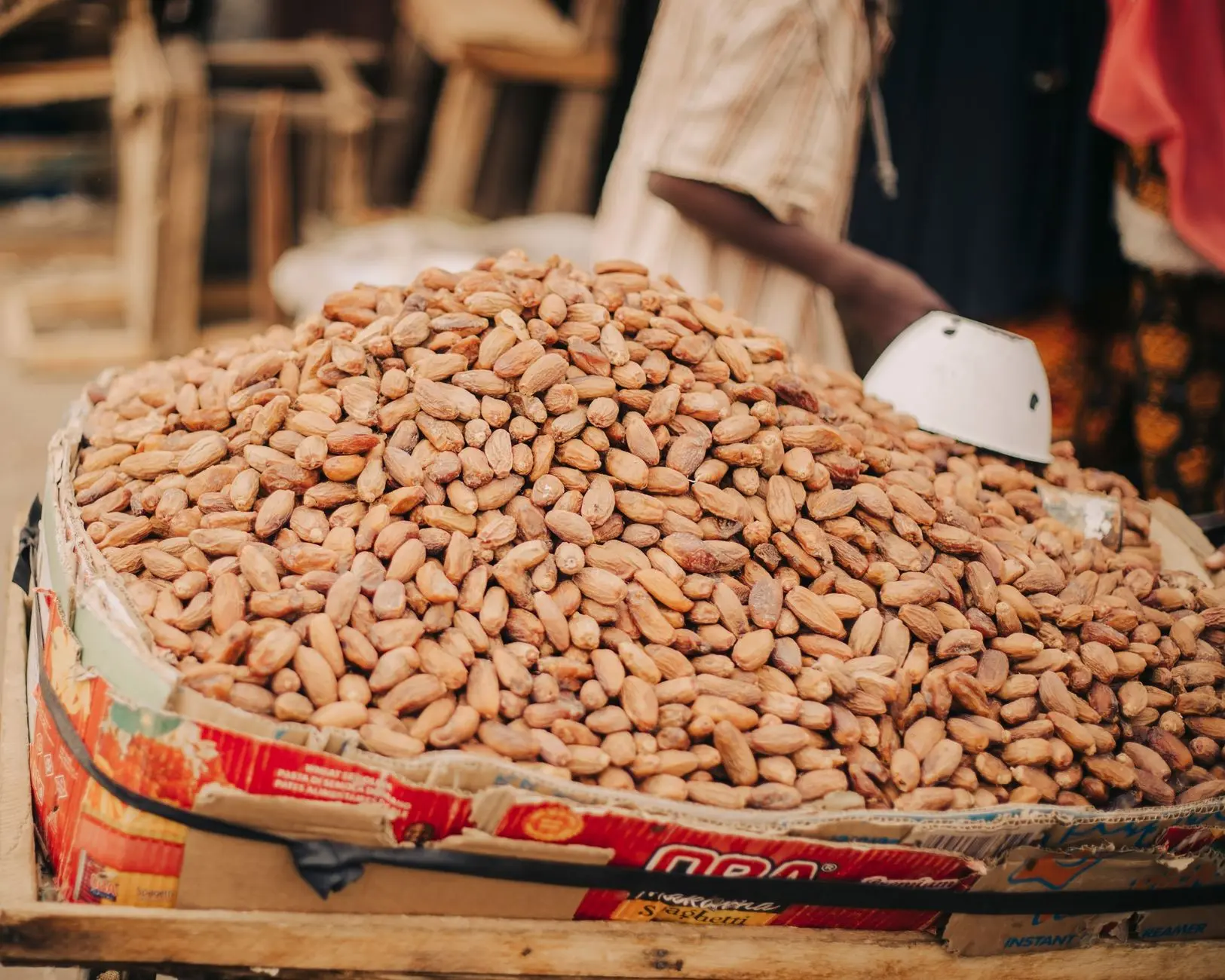
- EU deforestation regulations increase compliance costs for cocoa exporters.
- Cocoa futures prices in European markets reflect rising premiums linked to traceability requirements.
- Supply chain adjustments are accelerating shifts toward certified and sustainable cocoa production.
- Regulatory enforcement highlights tensions between environmental goals and commodity market dynamics.
How EU Deforestation Regulations Are Reshaping Global Cocoa Markets
What happened
The European Union recently implemented stringent deforestation regulations targeting commodities linked to forest loss, with cocoa among the primary products affected. These rules impose mandatory due diligence obligations on companies importing cocoa, requiring demonstrable proof that their supply chains are free from deforestation since 2021. Traders and producers are now confronted with new documentation, monitoring, and certification demands, which are already being factored into cocoa futures prices on European exchanges. Market participants anticipate that non-compliant cocoa will face restricted access to Europe, a major consumption hub, prompting shifts in trade flows and contract pricing.
Why it matters
The EU’s regulatory approach introduces a structural change in how environmental risk is priced and managed within global commodity markets, particularly for cocoa—a sector historically challenged by opaque supply chains and deforestation concerns in West Africa. By embedding deforestation risk into market mechanisms, the regulations effectively internalize environmental externalities that were previously unaccounted for in pricing. This has immediate financial implications for exporters needing to invest in traceability and certification systems, while buyers face higher costs and potential supply constraints. The ripple effects extend beyond Europe, influencing global supply chain configurations, investment decisions, and the sustainability strategies of multinational agribusinesses and cooperatives.
Industry context
Cocoa production is concentrated in a handful of countries, notably Côte d’Ivoire and Ghana, which together supply over 60% of the world’s cocoa. These regions have experienced deforestation linked to agricultural expansion and informal farming practices. Prior voluntary sustainability initiatives—such as the Rainforest Alliance and Fair Trade certifications—have had limited success in halting deforestation at scale. The EU’s regulatory framework marks one of the first binding extraterritorial attempts to enforce deforestation-free supply chains through trade policy rather than voluntary compliance. This development interacts with other global trends, including rising consumer demand for ethically sourced products and increasing pressure from financial institutions on environmental, social, and governance (ESG) criteria.
Analysis
The integration of deforestation regulations into cocoa trade reveals complex trade-offs. On one hand, higher compliance costs and supply chain transparency requirements raise barriers for smallholder farmers who lack resources to engage with certification processes, risking market exclusion or price penalties. On the other hand, the regulatory framework incentivizes investments in traceability technologies, reforestation projects, and sustainable agricultural practices, potentially creating more resilient supply chains over time. Cocoa futures markets in Europe now embed a risk premium reflecting these uncertainties and costs, leading to price divergence from other commodity hubs less exposed to such rules. Traders are adjusting contract terms to differentiate compliant cocoa, signaling a bifurcation in the market between deforestation-free certified beans and conventional supply. Enforcement challenges remain significant, particularly regarding remote verification and the risk of fraud or misreporting in supply chains spanning multiple jurisdictions.
What to watch next
The coming months will reveal how effectively the EU and its partners enforce compliance and whether supply chain actors can scale sustainable production without disrupting market access. Key indicators include the volume of cocoa certified as deforestation-free, shifts in trade patterns toward alternative markets or suppliers, and the evolution of futures pricing differentials. Monitoring how West African governments and local stakeholders respond to support farmers through technical assistance, land tenure reforms, and financial incentives will be critical. Additionally, international coordination—potentially through WTO discussions or bilateral agreements—could influence the durability and scope of such environmental trade regulations. The EU’s deforestation rules may set a precedent, prompting similar measures in other consumer markets and reshaping the governance landscape for tropical commodity supply chains.
Ask AI about this story
Answers are based on this article and SN Media’s related coverage. AI can make mistakes.
Frequently asked questions
What are the main requirements of the EUu2019s new deforestation regulations for cocoa imports?
The regulations require companies importing cocoa to provide proof that their supply chains have been free from deforestation since 2021, involving documentation, monitoring, and certification demands.
How have the EU regulations affected cocoa futures prices in European markets?
Cocoa futures prices in Europe now include rising premiums linked to the costs and risks of compliance with traceability and certification requirements, reflecting a market differentiation between deforestation-free certified cocoa and conventional supply.
What challenges do smallholder farmers face under the new regulatory framework?
Smallholder farmers may struggle with higher compliance costs and the resources needed for certification, risking market exclusion or price penalties due to barriers in meeting the traceability and documentation demands.
What indicators will show how effective the EU regulations are in reshaping the cocoa supply chain?
Key indicators include the volume of cocoa certified as deforestation-free, changes in trade patterns toward compliant suppliers or alternative markets, futures pricing differentials, and responses by West African governments to support farmers through reforms and incentives.
Continue the story
 LATEST
EU Regulatory Hurdles Intensify for Chinese Mining Investments in Latin America