








What happened
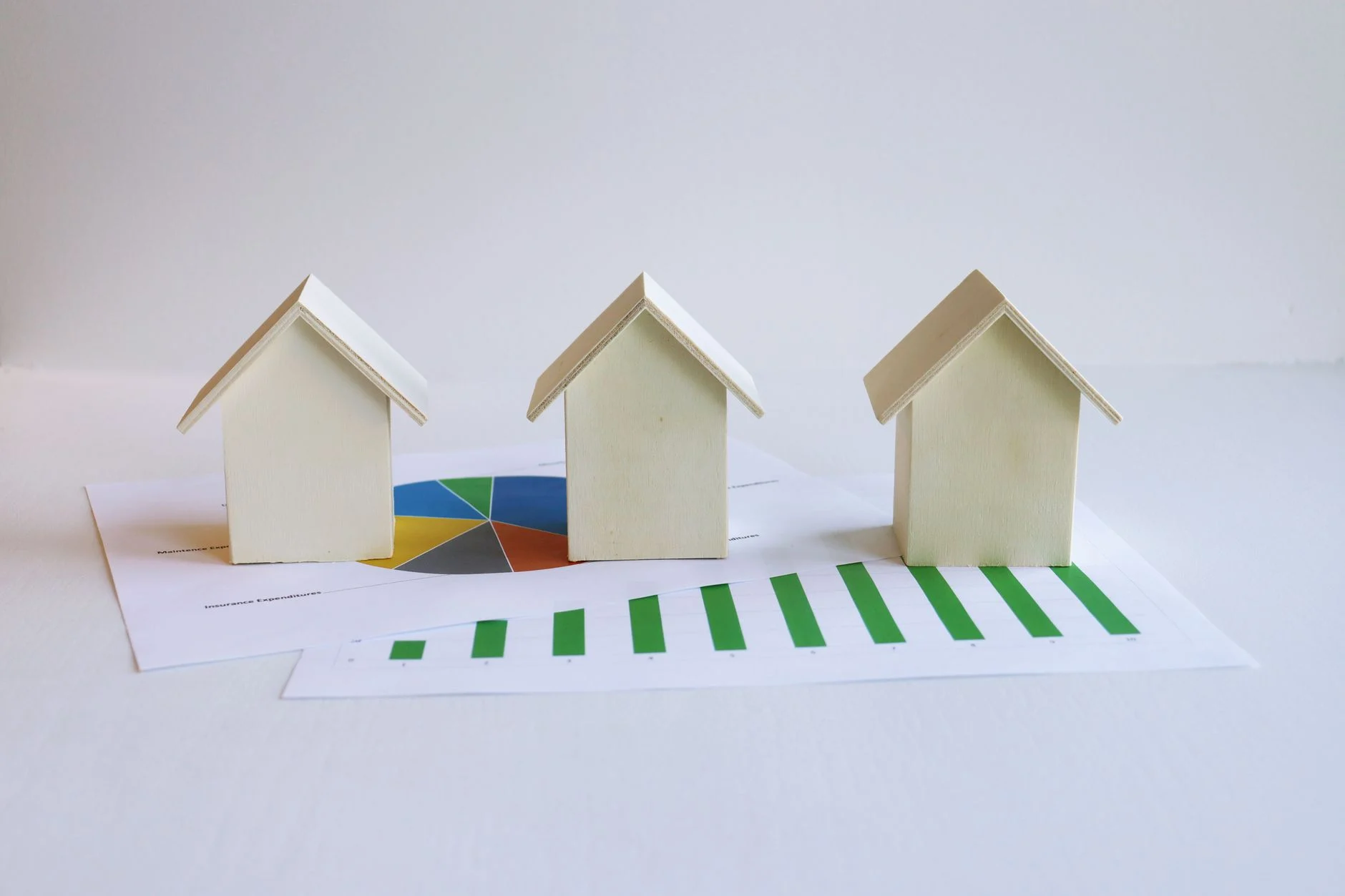
China’s real estate sector, long a pillar of the nation’s economic growth, is currently facing unprecedented turbulence. With an estimated $148 billion in distressed assets, the market has been described as a “time bomb” threatening to trigger widespread financial instability. This crisis stems from a confluence of regulatory tightening, excessive debt accumulation among property developers, and declining domestic demand. Efforts to defuse the situation involve complex negotiations between developers, local governments, and financial institutions aiming to stabilize projects and restore confidence.
Why it matters
The significance of China’s real estate woes extends far beyond its borders. Given the sector’s contribution to nearly 25% of the country’s GDP and its deep integration with global supply chains and financial markets, disruptions in China’s property market risk reverberating internationally. Foreign investors, multinational corporations, and commodity exporters all have exposure to the sector’s health, making its distress a potential catalyst for broader economic volatility. Understanding these dynamics is critical for policymakers and market participants worldwide.
Industry context
China’s real estate industry has been a key engine of growth for over two decades, driven by rapid urbanization, favorable credit conditions, and robust demand for housing. However, the sector’s expansion was also marked by aggressive borrowing and speculative investments, which, combined with regulatory clampdowns on leverage, heightened financial vulnerability. The sector’s slowdown has coincided with broader economic challenges, including slowing consumer spending and geopolitical tensions, compounding risks. Globally, real estate market health is closely monitored as a bellwether for economic stability and investment flows.
Analysis
The unfolding crisis in China’s property market illustrates the risks inherent in high-leverage growth models and the challenges of managing economic transitions in large emerging economies. The scale of distressed assets highlights structural imbalances, particularly the reliance on real estate as a growth driver and the limited alternative investment opportunities for capital. The international implications are multifaceted: supply chain disruptions may arise as construction materials and manufacturing sectors recalibrate; foreign direct investment patterns could shift as confidence in China’s market stability wavers; and global financial markets may face increased volatility due to exposure to Chinese debt instruments.
Moreover, local government finances, heavily reliant on land sales, face strain, potentially affecting public spending and infrastructure projects. The government’s approach to resolving these issues—balancing market discipline with intervention—will be critical in setting a precedent for managing systemic risks in large economies.
What to watch next
Key developments to monitor include the effectiveness of government-led restructuring efforts for distressed developers, shifts in regulatory frameworks governing credit and real estate investment, and the responses of international investors to evolving risk profiles. Additionally, tracking the performance of related industries such as construction materials, banking, and export sectors will provide insights into the broader economic impact. Global financial markets’ reactions to Chinese debt restructuring outcomes will also be a bellwether for potential contagion risks. Ultimately, how China navigates this crisis will offer valuable lessons on managing economic dependencies and systemic vulnerabilities in a deeply interconnected global economy.
Ask AI about this story
Answers are based on this article and SN Media’s related coverage. AI can make mistakes.
Frequently asked questions
What are the main causes of the current crisis in Chinau2019s real estate sector?
The crisis is caused by regulatory tightening, excessive debt accumulation among property developers, and declining domestic demand, leading to an estimated $148 billion in distressed assets.
How could Chinau2019s real estate troubles affect the global economy?
Disruptions may impact global supply chains, foreign direct investment patterns, and financial markets due to the sectoru2019s integration with international markets and its significant contribution to Chinau2019s GDP.
What role do local governments play in the crisis?
Local governments, heavily reliant on land sales for revenue, face financial strain that could affect public spending and infrastructure projects, complicating efforts to stabilize the sector.
What developments should be monitored to understand the crisisu2019s progression?
Key indicators include government restructuring efforts for distressed developers, regulatory changes, international investor responses, performance of related industries, and global financial market reactions to Chinese debt restructuring.
Continue the story
 LIVE · Follow the latest developments
Hurricane Simon live: Strengthens to Category 4, nears Mexico’s Pacific coast
LIVE · Follow the latest developments
Hurricane Simon live: Strengthens to Category 4, nears Mexico’s Pacific coast