








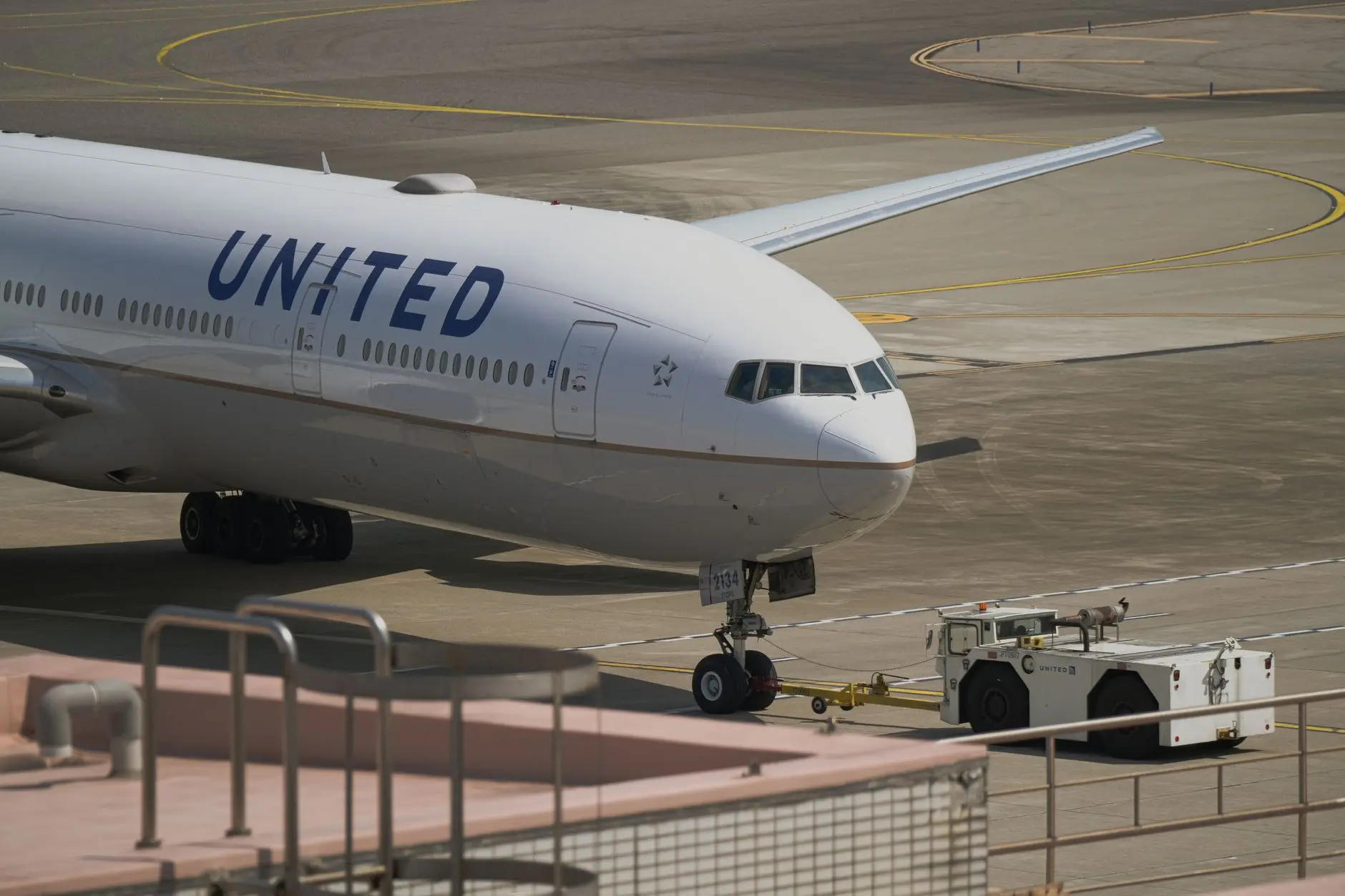
- United Airlines experienced a significant IT outage that disrupted flight operations across multiple US airports.
- The incident was traced to a network issue affecting critical systems, exposing dependencies on centralized infrastructure.
- The outage underscores systemic vulnerabilities in airline IT architecture, particularly in resilience and incident response.
- Industry-wide, airlines face increasing pressure to modernize legacy systems while managing cybersecurity risks and operational continuity.
What happened
On April 25, 2024, United Airlines confronted a widespread technology outage that led to delays and cancellations at several key hubs, including Chicago O’Hare, Denver, and San Francisco airports. The disruption originated from a network failure affecting the airline’s flight dispatch and scheduling systems. Ground operations struggled to adapt as digital workflows stalled, leaving passengers stranded and flights unable to depart on time. Although United restored service within hours, the incident exposed fragile points within the airline’s IT environment, prompting scrutiny from industry observers and regulators alike.
Why it matters
The incident is more than a mere operational hiccup; it reveals the critical role of IT infrastructure in modern airline operations and the cascading effects when those systems fail. Airlines depend on integrated digital platforms to coordinate complex logistics—ranging from crew assignments to real-time aircraft tracking—and disruptions can ripple throughout the network, amplifying delays and reducing safety margins. This outage highlights the tangible risks posed by legacy system reliance, insufficient redundancy, and the challenges of maintaining seamless service amid increasing digital complexity. For travelers, it underscores the fragility of air travel reliability in an era dominated by technology.
Industry context
Airlines worldwide have progressively digitized their operational backbone over the past two decades, investing heavily in interconnected IT ecosystems. However, many still operate on a patchwork of legacy systems layered with newer technologies, creating intricate dependencies that complicate maintenance and incident response. The aviation sector’s regulatory environment, emphasizing safety and data integrity, further constrains rapid system overhauls. Meanwhile, the rise of cyber threats and the increasing frequency of natural disasters intensify the need for robust, resilient IT infrastructure. United’s outage is not an isolated case but part of a growing pattern of tech-driven disruptions reported across major carriers, reflecting systemic vulnerabilities.
Analysis
The root cause—network failure impacting core operational systems—points to insufficient segregation and failover capabilities within United’s IT architecture. Airlines often centralize critical functions to streamline operations and reduce costs, but such concentration increases risk exposure. The inability to quickly reroute workflows or switch to backup systems suggests gaps in incident preparedness. Furthermore, the incident illustrates the trade-offs between modernization ambitions and operational stability; while adopting newer technologies promises efficiency gains, integration complexities can introduce new failure points. The event also raises questions about industry-wide standards for system resilience and the role of third-party vendors in managing critical infrastructure components.
What to watch next
In the coming months, stakeholders will closely monitor United Airlines’ response measures, particularly any investments in infrastructure upgrades, redundancy protocols, and cybersecurity enhancements. Regulators may push for stricter IT resilience requirements or more transparent reporting of operational risks. Competitors and partners within the airline ecosystem could reassess their own vulnerabilities, potentially accelerating industry-wide initiatives to bolster digital robustness. Additionally, emerging technologies such as decentralized network architectures and advanced predictive maintenance tools may gain traction as airlines seek to mitigate similar disruptions. The balance between innovation and operational reliability will remain a decisive factor shaping the future of airline IT infrastructure.
Ask AI about this story
Answers are based on this article and SN Media’s related coverage. AI can make mistakes.
Frequently asked questions
What caused the United Airlines IT outage on April 25, 2024?
The outage was caused by a network failure affecting critical systems, specifically the airlineu2019s flight dispatch and scheduling systems, leading to widespread operational disruptions.
How did the outage impact United Airlinesu2019 operations and passengers?
The outage resulted in delays and cancellations at major hubs like Chicago Ou2019Hare, Denver, and San Francisco, with ground operations unable to adapt quickly due to stalled digital workflows, leaving passengers stranded and flights delayed.
What broader issues does this outage reveal about airline IT infrastructure?
The incident highlights systemic vulnerabilities such as reliance on centralized infrastructure, insufficient redundancy, legacy system dependencies, and challenges in incident response and operational continuity within airline IT environments.
What are the expected next steps following this outage?
Stakeholders will monitor Unitedu2019s investments in infrastructure upgrades, redundancy, and cybersecurity; regulators may enforce stricter resilience standards; and the industry may accelerate adoption of technologies like decentralized networks and predictive maintenance to improve robustness.
Continue the story
 BACKGROUND · How we got here
How US Air Traffic Control Outages Expose Vulnerabilities in National Infrastructure