








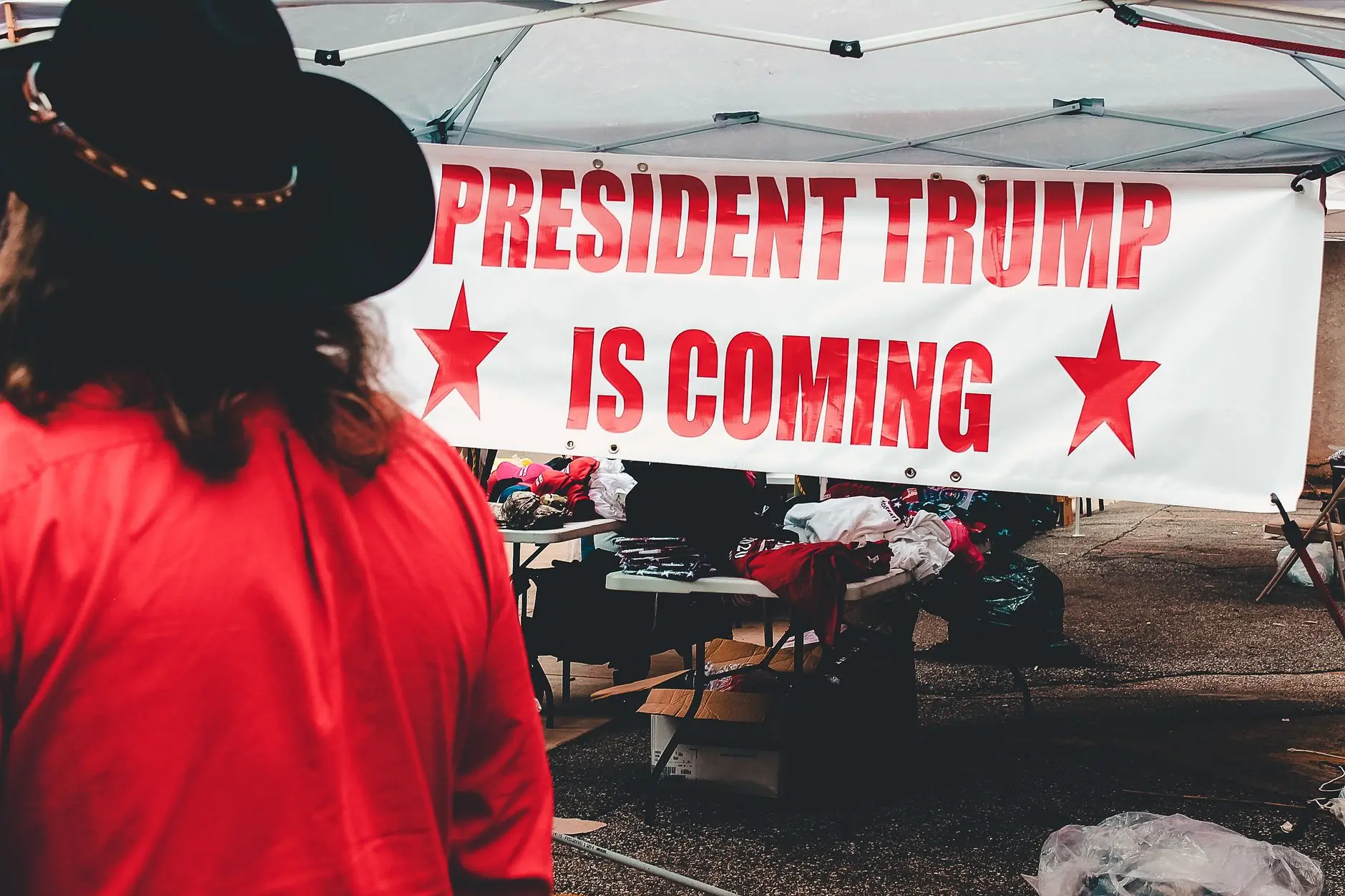
- GOP leadership is distancing midterm losses from Trump’s direct influence.
- Emphasis is shifting toward broader structural and demographic factors.
- This narrative aims to preserve party unity amid internal factional tensions.
- The strategic recalibration highlights competing visions for the GOP’s future direction.
What happened
Following the 2022 midterm elections, where Republicans failed to secure the anticipated “red wave,” key figures within the GOP have moved swiftly to recalibrate the party’s post-mortem narrative. Rather than attributing the disappointing results primarily to Donald Trump’s polarizing role, Republican leaders and strategists have increasingly pointed to external variables such as demographic shifts, candidate quality, and the broader political environment. This shift marks a deliberate effort to dilute Trump’s perceived culpability and redirect scrutiny away from his influence on the party’s electoral fortunes.
Why it matters
The narrative framing surrounding electoral outcomes is more than retrospective commentary; it shapes future strategy and internal cohesion. By deflecting blame from Trump, the GOP leadership attempts to reconcile competing factions—the Trump-aligned base and more traditional conservatives—while maintaining a unified front for coming election cycles. This approach also influences candidate recruitment, messaging, and policy priorities, as the party seeks to avoid alienating key constituencies. Ultimately, the way the GOP interprets and communicates its electoral setbacks will inform its capacity to regain ground in subsequent contests, including the 2024 presidential race.
Industry context
Political parties routinely engage in post-election narrative construction to manage internal dynamics and public perception. In the case of the GOP, the Trump era has introduced heightened volatility and factionalism, complicating consensus-building. The party faces a strategic crossroads: continue embracing Trump’s populist nationalism or pivot toward a more traditional conservative platform that appeals to suburban and moderate voters. This internal tension is mirrored in broader trends across Western democracies, where populist movements challenge established party orthodoxies, prompting recalibrations in messaging and coalition-building.
Analysis
The GOP’s effort to externalize responsibility for the midterm underperformance reflects a calculated political calculus. By emphasizing structural factors—such as changing electoral demographics and candidate missteps—the party leadership seeks to shield Trump’s enduring influence from direct criticism, thereby preserving his mobilizing power. This strategy also serves to contain internal dissent, as acknowledging Trump’s role too openly could deepen factional divides or provoke defections. However, this balancing act risks obscuring substantive strategic deficiencies, including the party’s struggle to broaden its appeal beyond core constituencies. The careful narrative construction thus reveals the competing imperatives of political survival and ideological coherence within the GOP.
What to watch next
Attention will turn to how this narrative shapes the Republican approach to the 2024 presidential primaries and general election. Close observation of candidate platforms, party endorsements, and messaging will indicate whether the GOP consolidates around Trump-style populism or reorients toward a more moderate, coalition-driven strategy. Additionally, the party’s handling of demographic trends—particularly among suburban voters and minority groups—will be critical in assessing its electoral adaptability. Finally, intra-party debates and leadership contests will provide insight into whether the post-election narrative represents a genuine strategic pivot or a temporary rhetorical maneuver.
Ask AI about this story
Answers are based on this article and SN Media’s related coverage. AI can make mistakes.
Frequently asked questions
Why are GOP leaders avoiding blaming Donald Trump for the midterm losses?
GOP leaders are emphasizing external factors like demographic shifts and candidate quality to deflect direct blame from Trump, aiming to preserve party unity amid internal factional tensions between Trump-aligned and traditional conservative groups.
What are the implications of the GOPu2019s post-election narrative for its future strategy?
The narrative influences candidate recruitment, messaging, and policy priorities by attempting to maintain a unified front, which will affect the partyu2019s ability to regain ground in future elections, including the 2024 presidential race.
What internal challenges does the GOP face in reconciling different factions after the midterms?
The party is balancing between embracing Trumpu2019s populist nationalism and pivoting toward a traditional conservative platform appealing to suburban and moderate voters, with the narrative serving to contain dissent and avoid deepening factional divides.
What should observers watch for to understand the GOPu2019s strategic direction post-midterms?
Observers should monitor candidate platforms, party endorsements, messaging, handling of demographic trends, and intra-party debates to determine if the GOP consolidates around Trump-style populism or adopts a more moderate, coalition-driven approach.
Continue the story
 BACKGROUND · How we got here
The Texas Senate Race: A Microcosm of National Political Shifts