








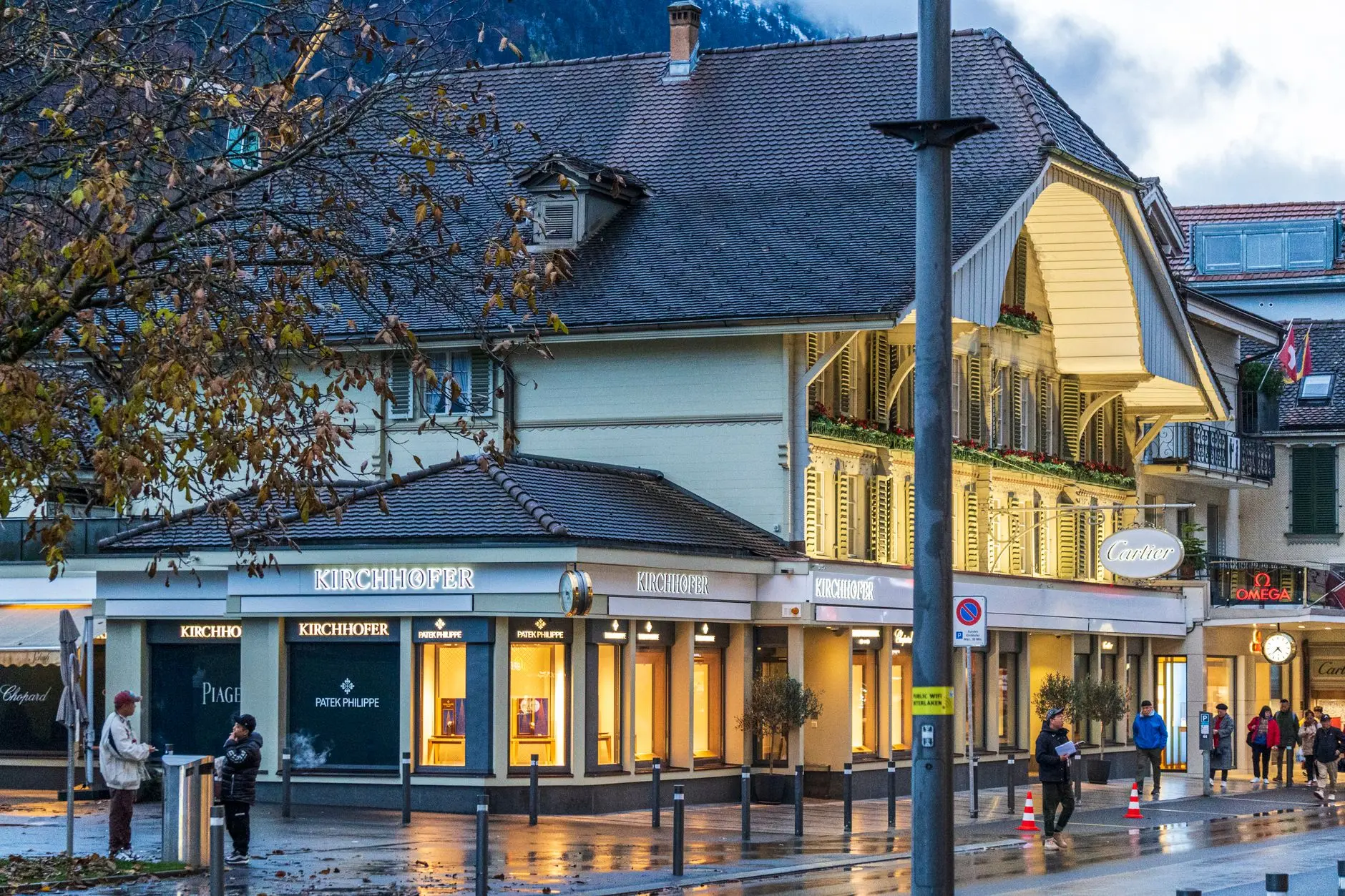
- Watches of Switzerland’s US expansion delivered a robust 20% revenue increase in the latest quarter.
- The company leverages exclusive partnerships, notably with Rolex, to solidify market leadership.
- Strategic store openings target affluent urban centers, enhancing brand visibility and customer access.
- Rising US consumer demand for luxury timepieces reshapes competitive dynamics within the global watch retail sector.
What happened
Watches of Switzerland Group Plc, a leading luxury watch retailer headquartered in the UK, has reported a significant uplift in sales driven by its expanding footprint in the United States. The company experienced a 20% increase in US revenue during the most recent quarter, outpacing growth in its home and other international markets. This performance reflects the results of a deliberate strategy emphasizing physical store expansion in key metropolitan areas, combined with exclusive retail rights for high-demand brands such as Rolex. The company’s improved outlook underscores the success of its US business model, which now constitutes a substantial portion of its global revenue.
Why it matters
This development is notable within the wider luxury retail sector because it signals a shift in where and how luxury watch consumption is growing. The US, long a significant but not dominant market for high-end timepieces, is increasingly central to luxury watchmakers’ and retailers’ growth ambitions. Watches of Switzerland’s ability to translate store openings and exclusive brand partnerships into tangible sales gains provides a case study in effective market penetration. Their model illustrates how retailers can navigate regional consumer preferences and leverage brand cachet to capture value in a competitive, globalized industry.
Industry context
The luxury watch market has experienced complex dynamics over the past decade. While Swiss watch exports faced cyclical headwinds and growing competition from smartwatches, certain traditional brands have retained strong demand, particularly in the premium segments where exclusivity is prized. Rolex remains a pivotal brand driving sales, with authorized retailers like Watches of Switzerland benefiting from constrained supply and high secondary market valuations. The US market’s economic resilience and concentration of wealth in cities such as New York, Los Angeles, and Miami present fertile ground for luxury retailers. However, the sector also contends with challenges including fluctuating consumer sentiment, tariffs, and the evolving role of e-commerce versus brick-and-mortar retail.
Analysis
Watches of Switzerland’s US strategy hinges on three interlocking mechanisms: geographic targeting, brand exclusivity, and experiential retail. By opening stores in affluent urban centers, the company situates itself close to its core clientele, maximizing foot traffic from high-net-worth individuals. Exclusive agreements with marquee brands like Rolex create a supply bottleneck that enhances desirability and allows for premium pricing. Meanwhile, the company invests in store design and customer service to cultivate an immersive luxury buying experience, countering the impersonal nature of online shopping. This multifaceted approach effectively raises switching costs for customers and builds brand loyalty.
The company’s revenue surge also reflects broader macroeconomic factors. Despite some volatility in financial markets, US consumer confidence in luxury spending remains robust, buoyed by sustained wealth accumulation in the upper economic tiers. Watches of Switzerland’s timing in expanding US operations capitalizes on this window, but it will require ongoing adaptability to maintain momentum amid potential economic headwinds or shifts in consumer preferences. Internationally, the group balances US growth with steady performance in the UK and Europe, mitigating risks associated with overreliance on a single market.
What to watch next
Future developments to monitor include Watches of Switzerland’s pace and scale of new store openings across the US, especially in emerging luxury hubs. The company’s ability to secure and maintain exclusive distribution rights for high-demand brands will be critical, as these partnerships underpin much of its competitive advantage. Additionally, shifts in consumer behavior—toward online purchasing or alternative luxury goods—could influence demand for traditional watch retailers. Industry-wide, the management of supply chain constraints and geopolitical factors such as tariff policies will affect pricing and availability. Finally, comparative performance against competitors, including both independent retailers and vertically integrated brand boutiques, will reveal whether Watches of Switzerland’s US expansion represents a sustainable strategic advantage or a temporary surge.
Ask AI about this story
Answers are based on this article and SN Media’s related coverage. AI can make mistakes.
Frequently asked questions
What has driven Watches of Switzerlandu2019s 20% revenue increase in the US market?
The revenue growth results from strategic physical store expansion in affluent US metropolitan areas combined with exclusive retail partnerships, notably with Rolex, which enhance brand desirability and pricing power.
Why is the US market becoming more important for luxury watch retailers like Watches of Switzerland?
The US market is increasingly central due to its economic resilience, concentration of wealth in key cities, and rising consumer demand for luxury timepieces, making it a critical growth area compared to traditional markets.
How does Watches of Switzerlandu2019s US strategy differ from online luxury watch retailing?
The company emphasizes experiential retail through well-designed stores and high-quality customer service to create an immersive buying experience that counters the impersonal nature of online shopping and builds brand loyalty.
What future challenges could affect Watches of Switzerlandu2019s US expansion?
Potential challenges include shifts in consumer behavior toward online or alternative luxury goods, supply chain constraints, tariff policies, and competition from other retailers and brand boutiques, all of which could impact pricing, availability, and market position.
Continue the story
 LATEST
How SIX Group Is Reshaping European Capital Markets to Attract Growth Stocks