





- Systematic trend-following funds have grown to represent a significant force in tech equity trading.
- These funds’ algorithms intensified selling pressure during the recent $2.3 trillion Nasdaq downturn.
- Volatility spikes reveal feedback loops between automated strategies and market liquidity constraints.
- Regulatory and market structure adaptations may be required to mitigate systemic risks.
The Rise and Risks of Systematic Trading in Tech Stock Volatility
What happened
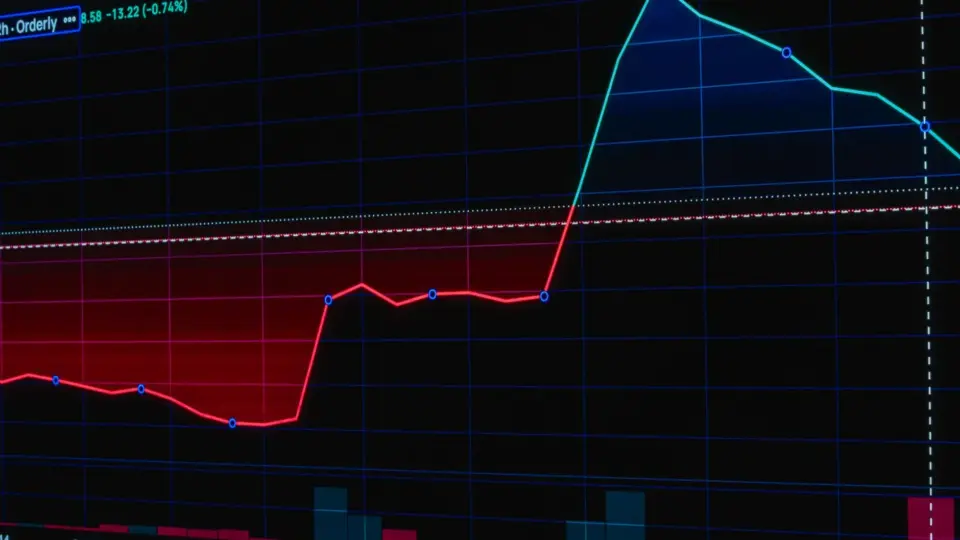
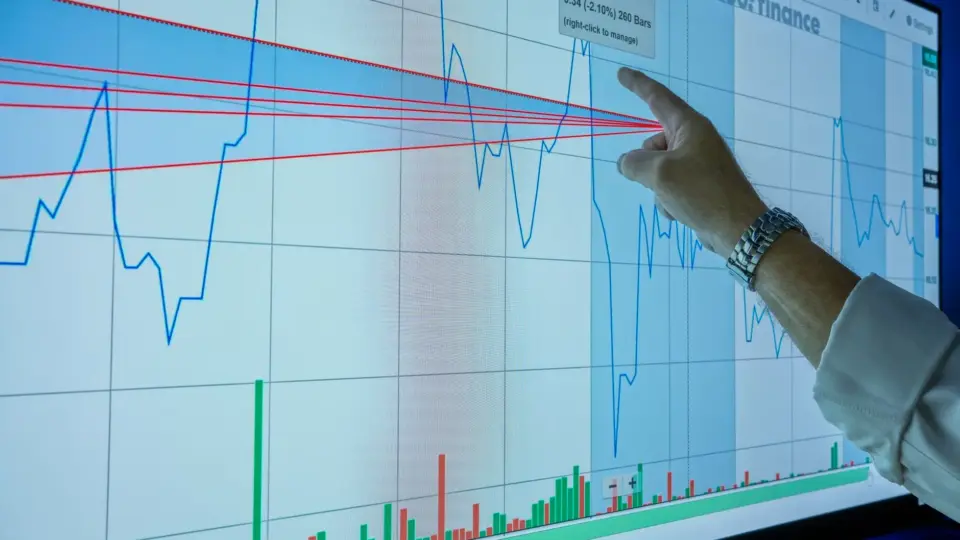
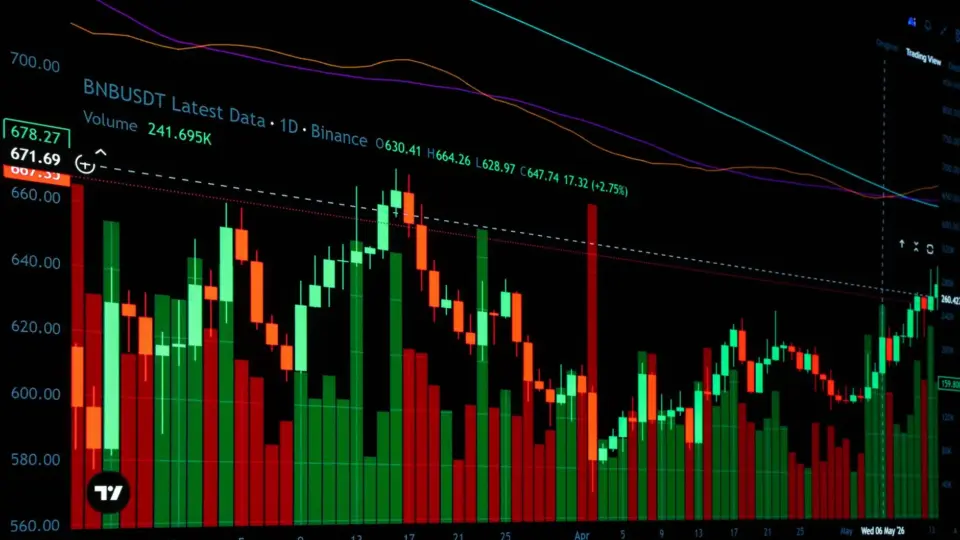
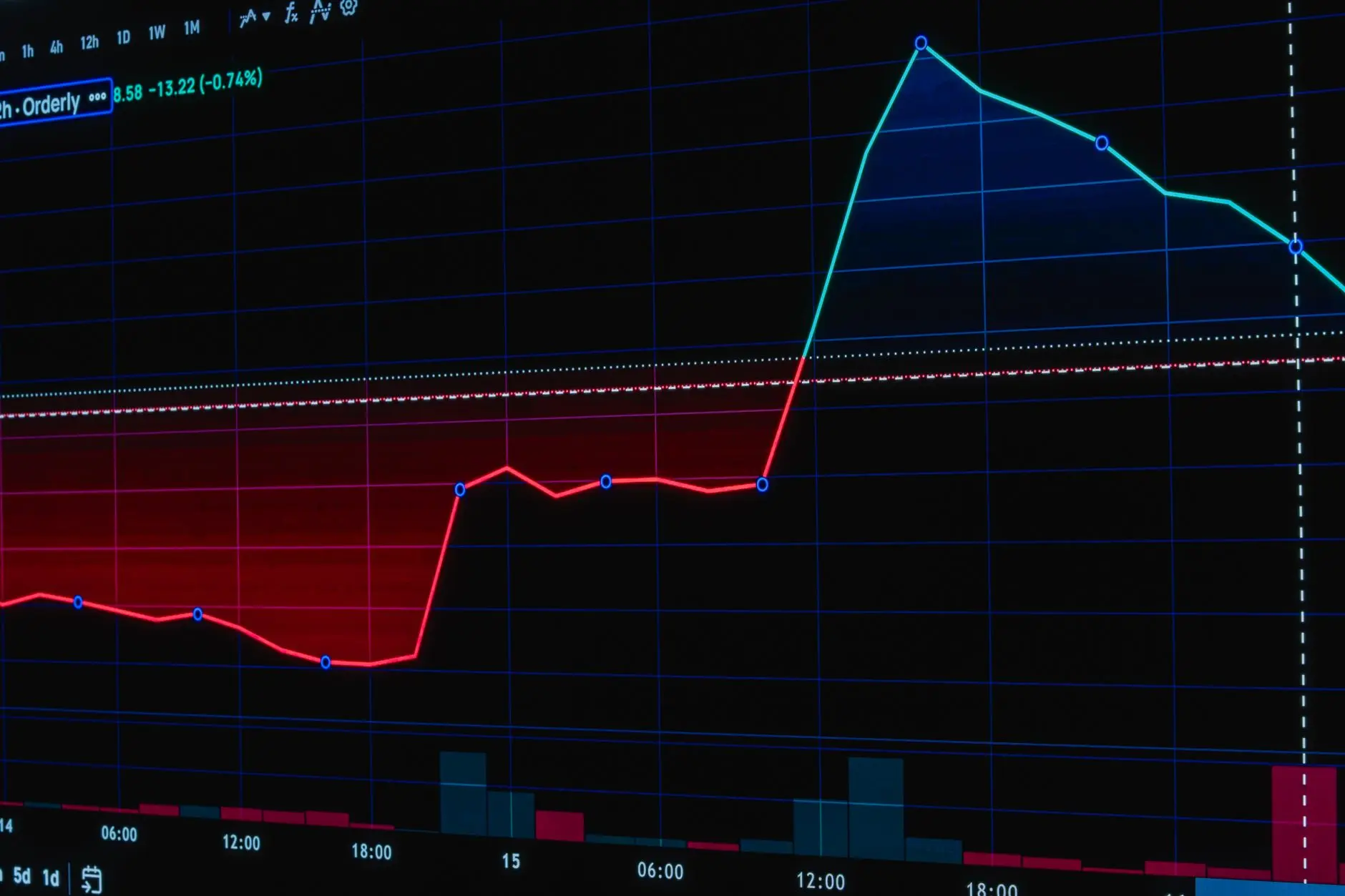
In recent years, the growing presence of systematic trend-following funds—quantitative investment vehicles that deploy algorithmic models to identify and trade on price momentum—has become a defining feature of tech stock market behavior. During the significant Nasdaq sell-off amounting to approximately $2.3 trillion in market value, these funds were instrumental in accelerating price declines. By rapidly executing trades based on predefined signals, they amplified downward momentum, contributing to one of the most pronounced episodes of tech sector volatility in recent memory.
Why it matters
The increasing influence of systematic funds introduces new dynamics that challenge traditional understandings of market stability. Unlike discretionary investors who may weigh fundamentals or intervene to stabilize prices, algorithm-driven strategies strictly adhere to quantitative triggers, often exacerbating price movements during stress periods. This intensification of volatility can undermine investor confidence, disrupt price discovery, and strain market infrastructure. The scale of their impact during the Nasdaq rout signals a structural shift in how liquidity and risk are managed in equity markets, with broad implications for asset managers, regulators, and market participants.
Industry context
Systematic trading strategies emerged prominently in the early 2000s, initially occupying niche roles in hedge fund portfolios. Over the subsequent two decades, advances in computing power, data availability, and algorithmic sophistication expanded their reach. Trend-following funds, which capitalize on persistent price patterns, have particularly flourished amid the tech sector’s characteristic momentum-driven rallies. Their growing assets under management, coupled with high-frequency execution capabilities, position them as potent liquidity providers in normal conditions but also as agents of volatility under duress. This evolution parallels broader shifts toward passive and quantitative investing, reshaping market microstructure and the interplay between human judgment and automated decision-making.
Analysis
Systematic funds operate by translating price signals into rapid buy or sell orders, often without regard for underlying asset fundamentals. During the Nasdaq sell-off, these strategies detected downward trends and simultaneously triggered widespread selling. This created a feedback loop: falling prices triggered more algorithmic selling, which in turn pushed prices lower, tightening bid-ask spreads and reducing available liquidity. As tech stocks are heavily weighted in major indices and widely held by institutional investors, the cascading effect was magnified.
The interaction between systematic trading and market liquidity highlights a key trade-off. While these funds add liquidity during stable periods, their homogenous responses to market signals can induce herding behavior that destabilizes prices during shocks. Moreover, the opacity and complexity of their models complicate risk forecasting and regulatory oversight. This dynamic is exacerbated by the concentration of systematic strategies among a handful of asset managers and trading platforms, concentrating systemic risk.
What to watch next
Market participants and regulators face a pressing need to understand and manage the systemic implications of algorithmic trading in the tech sector. Ongoing scrutiny of execution patterns, liquidity provision, and stress-test scenarios will be critical. Potential measures include enhanced transparency requirements for systematic funds, refined circuit breakers tailored to algorithmic trading behaviors, and improved coordination among exchanges to prevent liquidity evaporation.
From an industry perspective, investors may increasingly demand diversification away from momentum-driven strategies to reduce exposure to algorithm-induced volatility. The evolution of machine learning models could also introduce adaptive mechanisms that temper feedback loops, although this remains an open question.
Ultimately, the challenge lies in balancing the efficiency gains of systematic trading with safeguards that preserve market integrity under stress. The $2.3 trillion Nasdaq rout serves as a stark reminder that technological sophistication in finance must be coupled with vigilant risk management and thoughtful regulation.
Ask AI about this story
Answers are based on this article and SN Media’s related coverage. AI can make mistakes.
Frequently asked questions
How did systematic trend-following funds influence the recent Nasdaq sell-off?
These funds rapidly executed trades based on algorithmic signals that detected downward trends, amplifying selling pressure and accelerating the $2.3 trillion Nasdaq downturn through a feedback loop of falling prices triggering more selling.
What risks do systematic trading strategies pose to market stability?
Their algorithm-driven, homogeneous responses can exacerbate price volatility during market stress, undermine investor confidence, disrupt price discovery, and strain market liquidity, especially due to concentrated use among a few asset managers and platforms.
What regulatory or market changes are suggested to address risks from systematic trading?
Potential measures include enhanced transparency requirements for systematic funds, refined circuit breakers tailored to algorithmic behaviors, and improved coordination among exchanges to prevent liquidity evaporation, though specific implementations remain under consideration.
Can systematic trading strategies help stabilize markets or do they only increase volatility?
While these funds can provide liquidity during stable periods, their uniform algorithmic reactions tend to induce herding behavior that destabilizes prices during shocks, creating a trade-off between liquidity provision and volatility amplification.
Continue the story
 BACKGROUND · How we got here
Analyzing October’s AI-Driven Market Correction: What Hedge Fund Losses Reveal