






- US stock futures have rebounded after a period of volatility, signaling tentative investor confidence.
- Improved sentiment in US markets is influencing risk appetite across European and Asian equities.
- Persistent macroeconomic uncertainties, including inflation and geopolitical tensions, continue to temper market rallies.
- Monetary policy expectations remain a critical factor shaping equity valuations and cross-border capital flows.
What happened
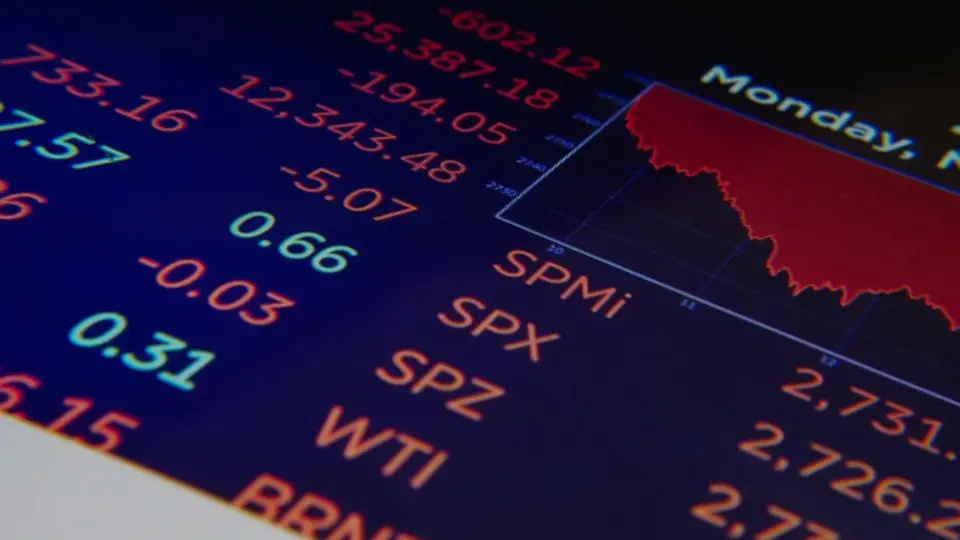
US stock futures experienced a notable rebound following days of choppy trading marked by investor apprehension. This uptick reflected renewed optimism ahead of key economic data releases and corporate earnings reports. Futures tied to major indices such as the S&P 500 and Nasdaq showed gains, reversing some of the prior session’s losses. The move occurred against a backdrop of mixed signals from economic indicators and cautious commentary from Federal Reserve officials, who reiterated the ongoing challenges of inflation containment and economic growth moderation.
Why it matters
The performance of US equity futures serves as a barometer for global risk sentiment, given the central role of American markets in international finance. A rebound in futures often encourages spillover effects, prompting investors in Europe and Asia to recalibrate their positions in risk assets. This dynamic can influence currency valuations, bond yields, and commodity prices worldwide. Moreover, shifts in US market expectations frequently affect monetary policy outlooks in other major economies, as central banks monitor global capital flows and inflationary pressures linked to US economic developments.
Industry context
The recent volatility in US stock futures is embedded within a broader global environment marked by persistent inflation, tightening monetary policies, and geopolitical uncertainties—particularly tensions involving energy supplies and trade relations. Financial markets are navigating a transition phase where central banks are balancing the risks of overtightening against the imperative to anchor inflation expectations. Equities remain sensitive to changes in interest rate forecasts, earnings outlooks, and macroeconomic data releases. Markets in Europe and Asia, while influenced by local factors such as energy costs and regional policy shifts, are increasingly interconnected with US market sentiment through cross-border investments and multinational corporate earnings.
Analysis
The rebound in US stock futures can be interpreted as a tentative recalibration rather than a definitive shift in market trajectory. Investors appear to be weighing short-term positive catalysts—such as strong corporate earnings beats and easing supply chain disruptions—against longer-term structural challenges, including persistent inflation and geopolitical risks. The Federal Reserve’s forward guidance remains a pivotal anchor; any sign of a dovish pivot could amplify equity gains, while hawkish rhetoric risks renewed selloffs. Furthermore, the uneven recovery patterns across sectors underscore the selective nature of current investor confidence, favoring technology and consumer discretionary stocks over more cyclical or interest-rate-sensitive industries.
Global markets respond not only to US fundamentals but also to the interplay of monetary policies across jurisdictions. For instance, the European Central Bank’s strategy to counter inflation without stifling growth will influence European equities’ sensitivity to US market moves. Similarly, Asian markets, particularly export-driven economies, remain vulnerable to fluctuations in global demand and supply chain resilience. The US futures rally thus acts as both a catalyst and a reflection of complex, multifaceted global financial interdependencies.
What to watch next
Market participants will closely monitor upcoming US economic data, including employment figures, inflation readings, and manufacturing indices, for signals on the Federal Reserve’s policy trajectory. Corporate earnings releases, especially from technology giants and financial institutions, will also be scrutinized for insights into demand trends and cost pressures. Internationally, developments in geopolitical hotspots and central bank decisions—particularly from the ECB and the Bank of Japan—will shape the durability of the US futures rally and its global implications. Attention should also focus on currency markets and bond yields, as shifts there could presage broader rotations in asset allocation and risk appetite worldwide.
Ask AI about this story
Answers are based on this article and SN Media’s related coverage. AI can make mistakes.
Frequently asked questions
What caused the recent rebound in US stock futures?
The rebound followed days of choppy trading and was driven by renewed optimism ahead of key economic data releases and corporate earnings reports, despite mixed economic signals and cautious Federal Reserve commentary.
How does the US stock futures rally affect global markets?
The US futures rebound influences global risk sentiment, encouraging investors in Europe and Asia to adjust their risk asset positions, which can impact currency valuations, bond yields, and commodity prices worldwide.
What are the main uncertainties tempering the market rally despite the futures rebound?
Persistent macroeconomic uncertainties such as inflation, geopolitical tensions, and the Federal Reserveu2019s cautious stance on monetary policy continue to temper market rallies.
What should investors watch to assess the sustainability of the US futures rally?
Investors should monitor upcoming US economic data, corporate earningsu2014especially from technology and financial sectorsu2014geopolitical developments, and central bank decisions from institutions like the ECB and Bank of Japan to gauge the rally's durability and global impact.
Continue the story
 BACKGROUND · How we got here
How Falling Oil Prices Are Reshaping US Stock Market Sentiment
- BACKGROUND · How we got here The Risks of AI-Driven Growth: How Investor Sentiment is Shifting in US Markets
- BACKGROUND · How we got here How Rising Oil Prices Are Reshaping Global Bond Markets Ahead of Fed Decisions
- BACKGROUND · How we got here USDA Supply Cuts Spark Rally in European Grain Markets
- BACKGROUND · How we got here Tech Sector Volatility: What the Chipmaker Selloff Means for the Broader Market