








What happened
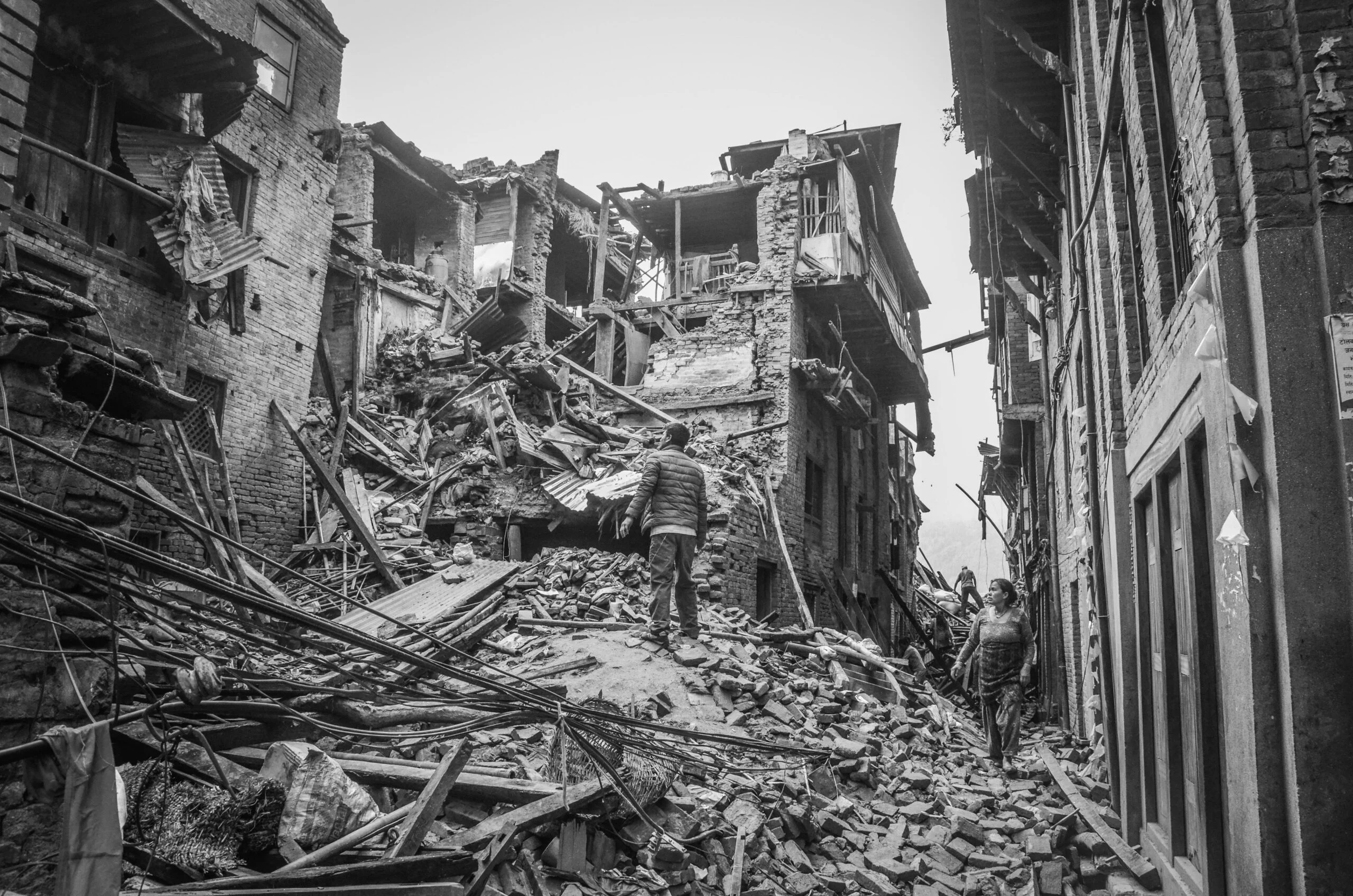
In the wake of a significant earthquake in Japan, survivors have been displaced into evacuation centers where they confront not only the immediate devastation caused by the seismic event but also the compounding challenge of intense heat. As temperatures soar, these temporary shelters struggle to provide adequate relief, exacerbating the physical and psychological toll on affected populations.
Why it matters
The intersection of natural disaster aftermath and extreme weather conditions presents a complex public health crisis. Survivors are vulnerable to both the trauma induced by sudden displacement and the physiological risks posed by heat exposure. This convergence underscores the critical need for emergency response frameworks to address multidimensional threats, ensuring that relief efforts do not inadvertently deepen hardship.
Industry context
Disaster management and humanitarian response have traditionally focused on immediate search, rescue, and shelter provision. However, recent climate patterns—marked by increasing frequency and intensity of heatwaves—demand a reevaluation of preparedness strategies. Evacuation centers must now balance structural safety with thermal comfort, integrating public health considerations such as hydration, ventilation, and mental health support into their operational protocols.
Analysis
The scenario in Japan highlights significant gaps in current disaster response mechanisms. While seismic resilience and rapid mobilization remain priorities, the emergence of secondary stressors like heat stress reveals vulnerabilities in infrastructure and planning. Prolonged stays in overcrowded, heat-retentive spaces risk exacerbating both physical ailments and psychological distress, potentially leading to long-term health consequences. This situation also draws attention to the intersectionality of climate change and disaster risk, where compounding hazards amplify human suffering and strain response capacities.
Moreover, mental health repercussions for survivors can be severe. The trauma of the earthquake itself is compounded by discomfort, sleep disruption, and dehydration linked to high temperatures, which can hinder recovery and resilience. Effective disaster response must therefore incorporate multidisciplinary approaches that address mental health alongside physical well-being in a holistic manner.
What to watch next
Future monitoring will need to focus on how evacuation centers adapt to the dual pressures of natural disasters and climate extremes. Innovations in shelter design, cooling technologies, and health services integration will be critical indicators of progress. Additionally, the policy response at local and national levels concerning disaster preparedness and climate adaptation will warrant close observation. Stakeholders should watch for emerging guidelines and investments aimed at enhancing resilience to compounded hazards, as well as data on the long-term health outcomes for affected populations.
Ask AI about this story
Answers are based on this article and SN Media’s related coverage. AI can make mistakes.
Frequently asked questions
What additional challenges are earthquake survivors in Japan facing in evacuation centers?
Survivors are dealing with intense heat in evacuation centers, which worsens both physical and psychological stress beyond the immediate impact of the earthquake.
Why is the combination of earthquake aftermath and heat exposure particularly concerning?
This combination creates a complex public health crisis, as survivors face trauma from displacement alongside physiological risks from heat, highlighting gaps in emergency response frameworks.
What shortcomings in current disaster response does the article identify?
The article points out that while seismic resilience and rapid response are prioritized, evacuation centers often lack adequate measures for thermal comfort and mental health support, leading to increased physical ailments and psychological distress.
What future developments should be monitored regarding disaster response in Japan?
Attention should be given to how evacuation centers incorporate cooling technologies, improved shelter designs, and integrated health services, as well as policy changes focused on disaster preparedness and climate adaptation to better handle compounded hazards.
Continue the story
 LATEST
How California’s Early October Heatwave Is Stressing the Power Grid
LATEST
How California’s Early October Heatwave Is Stressing the Power Grid
- LATEST Power Grid Vulnerabilities Exposed by Hurricane Isaias in the Gulf Coast
- LATEST Economic Impact of the Nor’easter on East Coast Businesses and Infrastructure
- LATEST Urban Infrastructure Challenges Exposed by Flash Flooding in Tri-State Area
- LATEST Japan’s Financial Services Agency Tightens Oversight on AI Data Center Financing