
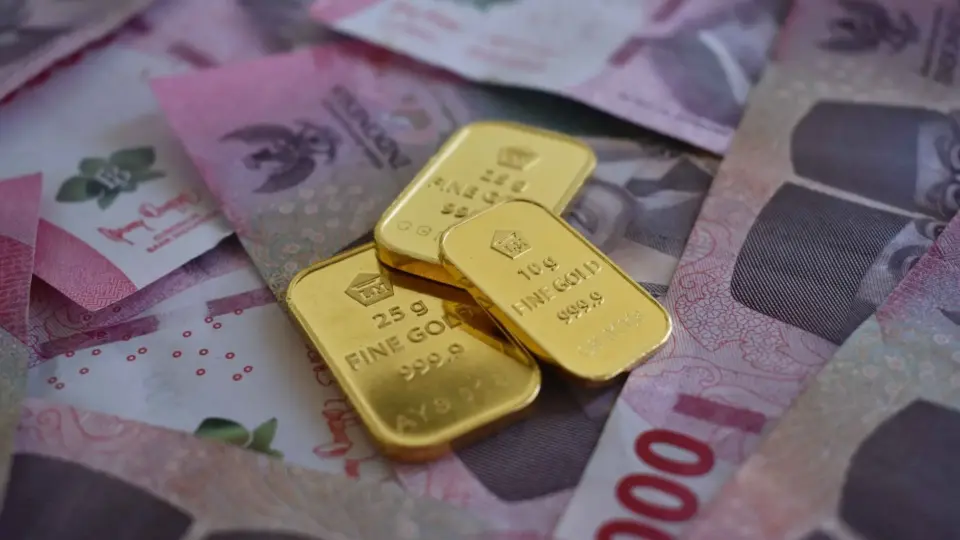


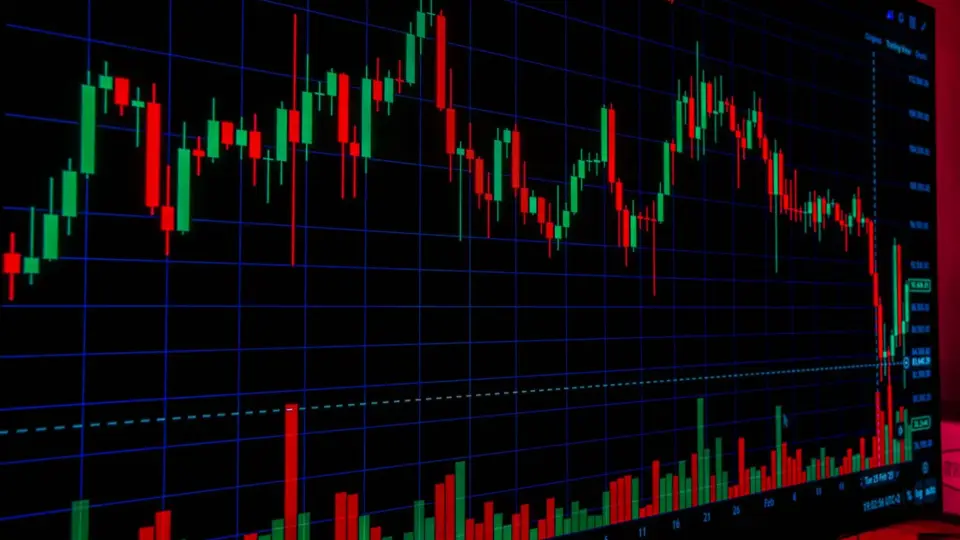




- Federal Reserve interest rate changes influence gold prices through opportunity costs and inflation expectations.
- Market sentiment around Fed communications often triggers immediate gold price volatility.
- Gold serves as a hedge against monetary policy uncertainty and real interest rate fluctuations.
- Global macroeconomic factors mediate the strength and direction of Fed-driven gold price movements.
What happened
Recent developments in Federal Reserve policy, including the anticipation of interest rate decisions and key speeches by Fed officials, have triggered notable movements in gold prices. For instance, as traders reevaluated the likelihood of further rate hikes following a speech by former Fed official Kevin Warsh, gold prices edged higher. These shifts reflect the sensitivity of gold markets to Fed signals, even absent immediate policy changes. The interplay between expectations of monetary tightening and inflation concerns continues to dominate investor behavior, causing fluctuating demand for gold as a safe haven and alternative asset.
Why it matters
Understanding the link between Federal Reserve rate policies and gold prices is critical for investors, policymakers, and economists because gold often functions as a barometer of economic sentiment and monetary policy impact. Interest rate adjustments alter the real returns on fixed-income assets, changing the relative attractiveness of gold, which pays no yield. Additionally, gold’s role as an inflation hedge becomes more pronounced when rate decisions shift inflation expectations. These dynamics influence portfolio allocations, risk perceptions, and broader financial market stability, making the analysis of this relationship essential for informed economic forecasting.
Industry context
The gold market operates within a complex global financial ecosystem where central bank policies, currency valuations, and geopolitical tensions intersect. The Federal Reserve’s interest rate decisions are among the most influential forces affecting global liquidity and currency strength, particularly the US dollar, in which gold is priced. Historically, periods of rising rates have exerted downward pressure on gold prices by increasing the opportunity cost of holding non-yielding assets. However, episodes of monetary tightening accompanied by persistent inflation or geopolitical uncertainty often result in mixed or counterintuitive price responses. This nuanced environment underscores the necessity for market participants to interpret Fed actions in conjunction with a broad array of macroeconomic indicators.
Analysis
The relationship between Federal Reserve rate decisions and gold prices hinges on two primary mechanisms: the real interest rate effect and inflation expectations. When the Fed raises nominal rates, the immediate impact is to increase real yields on government bonds, making gold less attractive by comparison. Conversely, if markets perceive rate hikes as insufficient to curb inflation or if tightening signals economic instability, gold demand may rise as a protective asset. Furthermore, Fed communications—such as speeches or policy statements—serve as catalysts for short-term volatility by shaping investor expectations about future monetary policy paths. The ambiguity or perceived hawkishness/dovishness of these signals can lead to rapid gold price adjustments, reflecting the market’s balancing act between growth prospects and inflation risks.
Geopolitical developments and currency fluctuations further complicate this dynamic. For example, a weakening US dollar, often resulting from dovish Fed stances or external shocks, tends to boost gold prices by increasing purchasing power for holders of other currencies. Simultaneously, global economic uncertainties—such as trade tensions or geopolitical conflicts—can amplify gold’s appeal regardless of Fed rate trajectories. Thus, the net effect on gold prices emerges from an interplay between central bank policy, macroeconomic fundamentals, and investor risk appetite.
What to watch next
Upcoming Federal Reserve meetings, statements, and speeches will continue to shape gold market trajectories, particularly as inflation data and labor market indicators evolve. Market participants should monitor shifts in Fed rhetoric for clues about the pace and scale of future rate adjustments, as well as any changes in balance sheet policies. Additionally, cross-border monetary policies, especially from the European Central Bank and People’s Bank of China, will influence the global dollar-gold nexus. Geopolitical flashpoints and commodity market developments also warrant close observation, given their potential to disrupt established correlations. In this multifaceted environment, a granular, data-driven approach will be essential for anticipating gold price movements amid evolving Federal Reserve strategies.
Ask AI about this story
Answers are based on this article and SN Media’s related coverage. AI can make mistakes.
Frequently asked questions
How do Federal Reserve interest rate changes affect gold prices?
Federal Reserve rate changes impact gold prices mainly through altering real interest rates and inflation expectations. Higher rates increase the opportunity cost of holding gold, which pays no yield, typically lowering gold prices, but if rate hikes fail to curb inflation or signal economic instability, gold demand can rise.
Why do gold prices react to Fed officials' speeches even without immediate policy changes?
Fed communications influence investor expectations about future monetary policy, causing short-term volatility in gold prices. The market interprets the tone and signals from speeches to anticipate rate paths, which can lead to rapid adjustments in gold demand and pricing.
What other factors besides Fed rate decisions influence gold prices according to the article?
Global macroeconomic factors such as currency fluctuations, geopolitical tensions, and policies from other central banks also affect gold prices. For example, a weakening US dollar or geopolitical uncertainty can boost goldu2019s appeal regardless of Fed rate moves.
What should market participants watch for to anticipate future gold price movements?
Investors should monitor upcoming Federal Reserve meetings, statements, inflation data, labor market indicators, and Fed rhetoric for clues on rate adjustments. Additionally, cross-border monetary policies and geopolitical developments are important to watch due to their potential impact on gold prices.
Continue the story
 BACKGROUND · How we got here
How a Strong Dollar Shapes Federal Reserve Interest Rate Decisions
- BACKGROUND · How we got here How Oil Price Fluctuations Influence Gold Markets: A Deep Dive
- BACKGROUND · How we got here How Falling Oil Prices Are Reshaping Federal Reserve Interest Rate Expectations
- BACKGROUND · How we got here How Federal Reserve Communications Influence Stock Market Volatility
- BACKGROUND · How we got here Assessing the Federal Reserve’s Deliberation on Interest Rate Policy