





- The DOJ’s probe into media pool restrictions raises crucial questions about the limits of executive authority over press access.
- Legal challenges center on constitutional protections of the First Amendment amid claims of selective media exclusion.
- The investigation underscores tensions between national security considerations and the imperative of a free and independent press.
- Outcomes may set new precedents affecting how federal agencies regulate journalistic access during high-profile events.
What happened
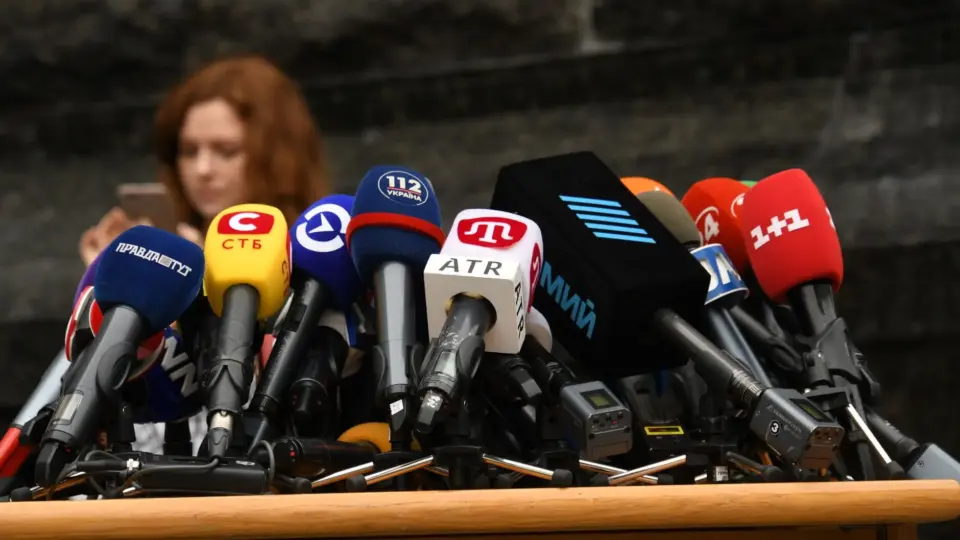
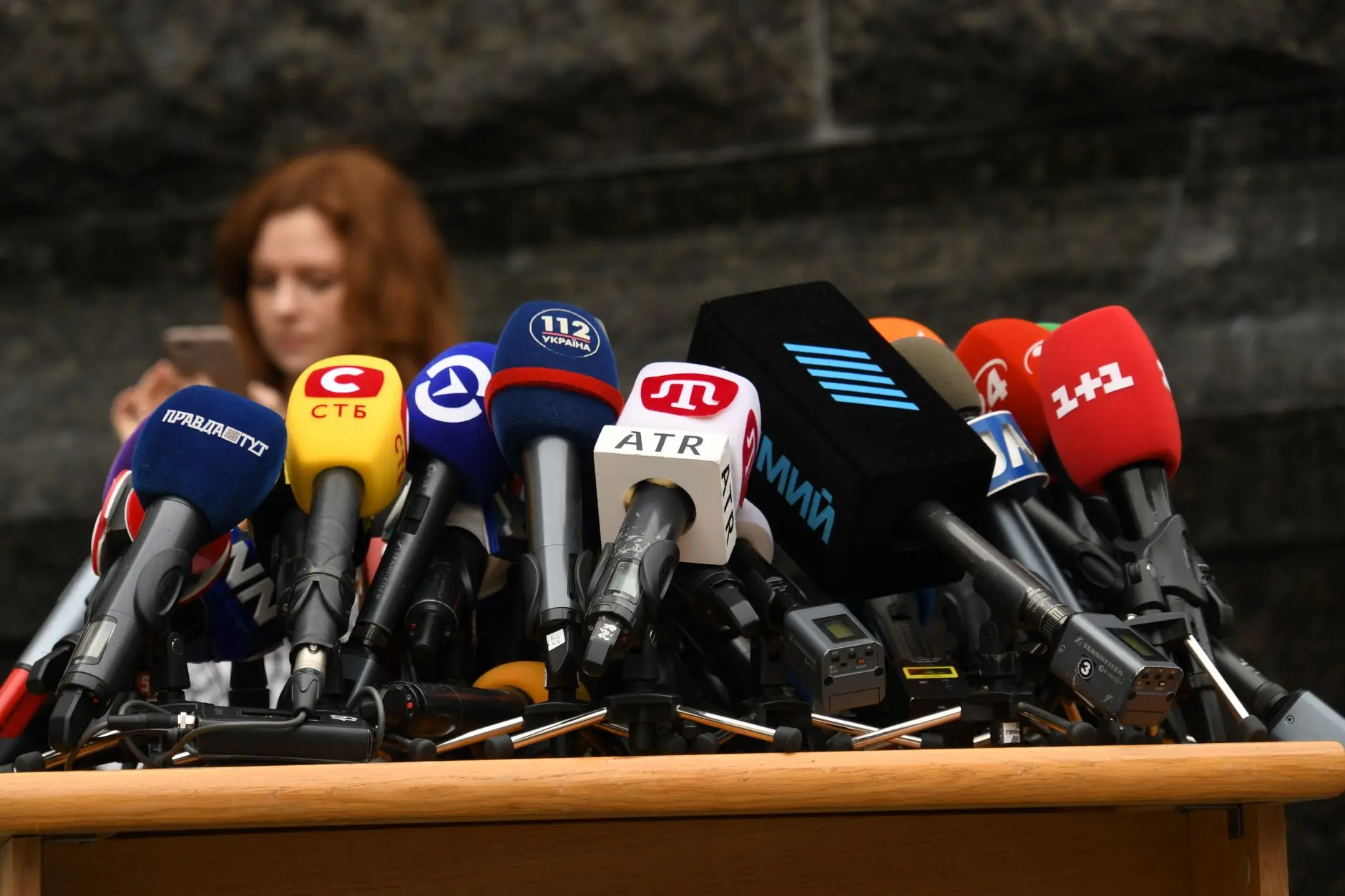
The U.S. Department of Justice (DOJ) initiated an investigation into the White House’s recent decision to restrict certain major television networks from participating in media pool coverage at key presidential events. This move followed the administration’s choice to exclude specific outlets from live access, citing concerns related to security and operational control. The DOJ’s inquiry focuses on whether these restrictions constitute an unlawful limitation on press freedom, violating constitutional guarantees or established administrative procedures. The matter has sparked a broader debate about the boundaries of executive power in managing media presence within government settings.
Why it matters
Press access to governmental proceedings and events is a core element of democratic transparency, protected under the First Amendment. The White House’s selective exclusion of media outlets challenges longstanding norms regarding equal treatment and non-discrimination in official press coverage. The DOJ’s involvement signals the seriousness with which such actions are being scrutinized legally and politically. At stake is the balance between safeguarding national security and upholding an unfettered press, a balance that has profound implications for public accountability and institutional legitimacy.
Industry context
Media pool systems function as mechanisms to coordinate coverage among competing news organizations, especially when space or security constraints limit access. Historically, these arrangements rely on consensus and a shared commitment to equitable representation. However, the rise of polarized media environments and increasing governmental sensitivity to narrative control have complicated these conventions. Legal challenges to media access restrictions have periodically arisen, but the current DOJ investigation represents one of the most significant federal probes into such practices in recent decades, reflecting intensified scrutiny over executive transparency and media rights.
Analysis
The DOJ’s investigation foregrounds the interplay between constitutional law and executive discretion. Courts have long recognized the government’s authority to impose reasonable time, place, and manner restrictions on press activities, especially within sensitive venues. Yet, outright exclusion based on media outlet identity or editorial stance triggers strict First Amendment concerns. The legal crux lies in whether the White House’s criteria for pool inclusion withstand judicial review as content-neutral and narrowly tailored, or if they constitute impermissible viewpoint discrimination. The inquiry also probes administrative procedure compliance, including whether affected networks received due process or meaningful justification. This scenario exposes the fragile institutional trust between government and the press, highlighting how administrative opacity can erode that relationship.
National security arguments frequently underpin limitations on press access but risk becoming catch-all rationales that obscure political motivations. The DOJ’s role in objectively assessing these claims will set a benchmark for future executive-press interactions. Moreover, the investigation’s findings may influence how federal agencies draft access policies, potentially prompting clearer standards to avoid arbitrary exclusions. The case exemplifies the broader global tension between governments’ desire to control information flow and the watchdog function of journalism in holding power to account.
What to watch next
The legal proceedings and any formal DOJ conclusions will be pivotal in clarifying permissible limits on media pool restrictions. Observers should monitor whether affected networks pursue litigation challenging the White House’s actions on constitutional grounds. Congressional responses, including hearings or legislation addressing press access rights, could arise from this controversy. Additionally, the investigation’s outcome may influence media organizations’ strategies in negotiating pool participation and their willingness to challenge perceived exclusions. Internationally, governments and press freedom advocates will closely watch the U.S. case as a bellwether for balancing security imperatives with transparency commitments in democratic societies.
Ask AI about this story
Answers are based on this article and SN Media’s related coverage. AI can make mistakes.
Frequently asked questions
What is the focus of the DOJ's investigation regarding media pool coverage?
The DOJ is investigating whether the White House's decision to restrict certain major TV networks from media pool coverage unlawfully limits press freedom, potentially violating First Amendment protections and administrative procedures.
Why has the White House restricted access to certain media outlets?
The White House cited concerns related to security and operational control as reasons for excluding specific outlets from live access at key presidential events.
What legal issues are central to this investigation?
Key issues include whether the White House's exclusion criteria are content-neutral and narrowly tailored or constitute impermissible viewpoint discrimination, and whether affected networks were given due process or meaningful justification.
What broader implications could result from the DOJ's findings?
The investigation may set precedents affecting how federal agencies regulate journalistic access, influence future executive-press relations, prompt clearer access policies, and shape media organizations' strategies and potential legal challenges.
Continue the story
 BACKGROUND · How we got here
The Legal and Ethical Implications of Livestreaming Military Executions
BACKGROUND · How we got here
The Legal and Ethical Implications of Livestreaming Military Executions
- BACKGROUND · How we got here The Evolution of Political Retreats: From Camp David to Trump’s Florida Golf Club
- BACKGROUND · How we got here The Growing Influence of Russian-Aligned Lobbyists in Washington
- BACKGROUND · How we got here The Ethical Implications of AI Bots Accessing Government Data Without Consent
- BACKGROUND · How we got here The Rising Risk for Comedians Under Authoritarian Regimes: Turkey’s Crackdown on Free Speech