








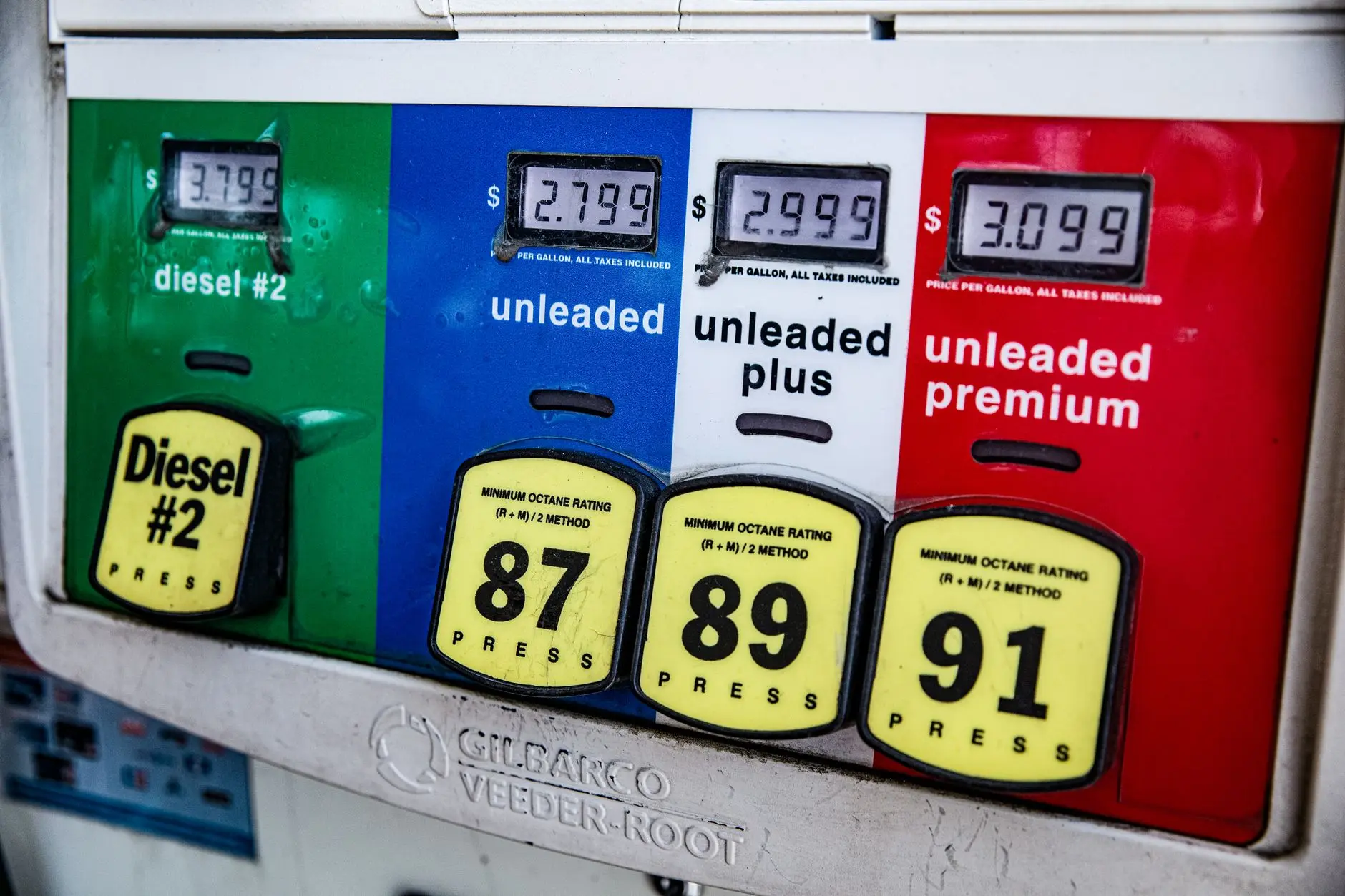
- Rising oil prices have significantly altered inflation expectations across major economies.
- Central banks face complex policy trade-offs between curbing inflation and supporting growth.
- Energy market dynamics are increasingly intertwined with broader financial market volatility.
- Longer-term inflation anchoring is challenged by persistent commodity price shocks.
How Rising Oil Prices Are Reshaping Global Inflation Expectations
What happened
Since mid-2026, crude oil prices have experienced a pronounced upward trajectory, driven by a combination of supply constraints, geopolitical tensions, and evolving demand patterns. Brent crude, a global benchmark, has approached levels not seen since early 2024, reflecting tightening market balances. This surge has been accompanied by a notable uptick in inflation expectations, measured through instruments such as Treasury Inflation-Protected Securities (TIPS) breakeven rates in the US and similar benchmarks in Europe and Asia. The inflation repricing is not uniform but is observable across advanced and emerging economies, reshaping how policymakers and investors interpret price stability outlooks.
Why it matters
Oil remains a critical input for transportation, manufacturing, and energy generation, making its price a potent driver of both headline and core inflation. Rising fuel costs often ripple through supply chains, increasing production and distribution expenses. When such increases persist, they can alter consumer behavior and wage demands, embedding inflationary pressures more deeply into economic systems. Central banks, which have recently focused on taming inflation after the pandemic-era surge, now face renewed pressure. The recalibration of inflation expectations influences monetary policy decisions, affects borrowing costs, and shapes capital allocation globally. In short, the oil price rally has the potential to reset inflation dynamics, complicating the already delicate balance central banks must maintain.
Industry context
The energy sector’s volatility has long been a wildcard in inflation forecasting. However, recent years have seen structural shifts including the transition toward renewable energy, shifts in OPEC+ production strategies, and global demand realignments post-pandemic. These factors have contributed to tighter supply buffers and more pronounced price swings. Financial markets, meanwhile, have grown more sensitive to energy price signals, with inflation-linked bonds, equity sectors, and currency valuations responding rapidly to oil price movements. The intertwining of energy markets with financial instruments underscores how commodity price shocks now propagate through diverse economic channels, amplifying their impact on inflation and growth expectations.
Analysis
The current episode highlights the persistent vulnerability of global inflation expectations to commodity price shocks despite efforts to anchor them through credible monetary policy frameworks. Central banks face a dual challenge: restraining inflation without prematurely stifling economic recovery. The sensitivity of inflation expectations to oil price movements reveals the limits of forward guidance when external shocks dominate. Moreover, supply-side factors—geopolitical risks in key oil-producing regions and investment hesitancy in upstream sectors—constrain the ability of markets to self-correct swiftly. This dynamic risks a feedback loop where inflation expectations adjust upward, wage-price spirals intensify, and monetary tightening becomes more aggressive, potentially increasing recession risks. The situation underscores the necessity for nuanced policy responses that consider the interplay between commodity markets and macroeconomic stability.
What to watch next
Market participants and policymakers will closely monitor the trajectory of oil supply disruptions and demand recovery, particularly in the context of emerging market energy consumption and strategic petroleum reserve policies. Central bank communications will be scrutinized for shifts in inflation outlooks and tolerance levels. Additionally, inflation expectation metrics across various horizons will provide insights into whether the recent repricing is transient or indicative of a structural shift. The evolution of alternative energy adoption and its impact on demand elasticity may also alter the traditional inflation transmission mechanism linked to oil. Ultimately, how these forces unfold will shape the trajectory of global inflation and influence the stance of monetary policy in the coming quarters.
Ask AI about this story
Answers are based on this article and SN Media’s related coverage. AI can make mistakes.
Frequently asked questions
What has caused the recent rise in oil prices since mid-2026?
The rise in oil prices is driven by a combination of supply constraints, geopolitical tensions, and evolving demand patterns, leading Brent crude to approach levels not seen since early 2024.
How are rising oil prices affecting inflation expectations globally?
Rising oil prices have led to an uptick in inflation expectations across advanced and emerging economies, as measured by instruments like TIPS breakeven rates, reshaping how policymakers and investors view price stability.
What challenges do central banks face due to the oil price rally?
Central banks face a dual challenge of restraining inflation without stifling economic recovery, as the oil price rally complicates inflation dynamics and limits the effectiveness of forward guidance amid external shocks.
What factors will influence future inflation and monetary policy related to oil prices?
Future inflation and policy will depend on the trajectory of oil supply disruptions, demand recovery, central bank communications, inflation expectation trends, and the adoption of alternative energy affecting demand elasticity; however, it remains unconfirmed whether recent repricing signals a transient or structural shift.
Continue the story
 LATEST
How Falling Oil Prices Are Reshaping US Stock Market Sentiment
LATEST
How Falling Oil Prices Are Reshaping US Stock Market Sentiment
- BACKGROUND · How we got here How Falling Oil Prices Are Reshaping Global Market Sentiment Amid European Debt Worries
- BACKGROUND · How we got here How Falling US Yields Signal Shifts in Global Economic Sentiment
- LATEST Decoding the Bond Market’s Selloff: What Wall Street’s Latest Signal Means for Investors