








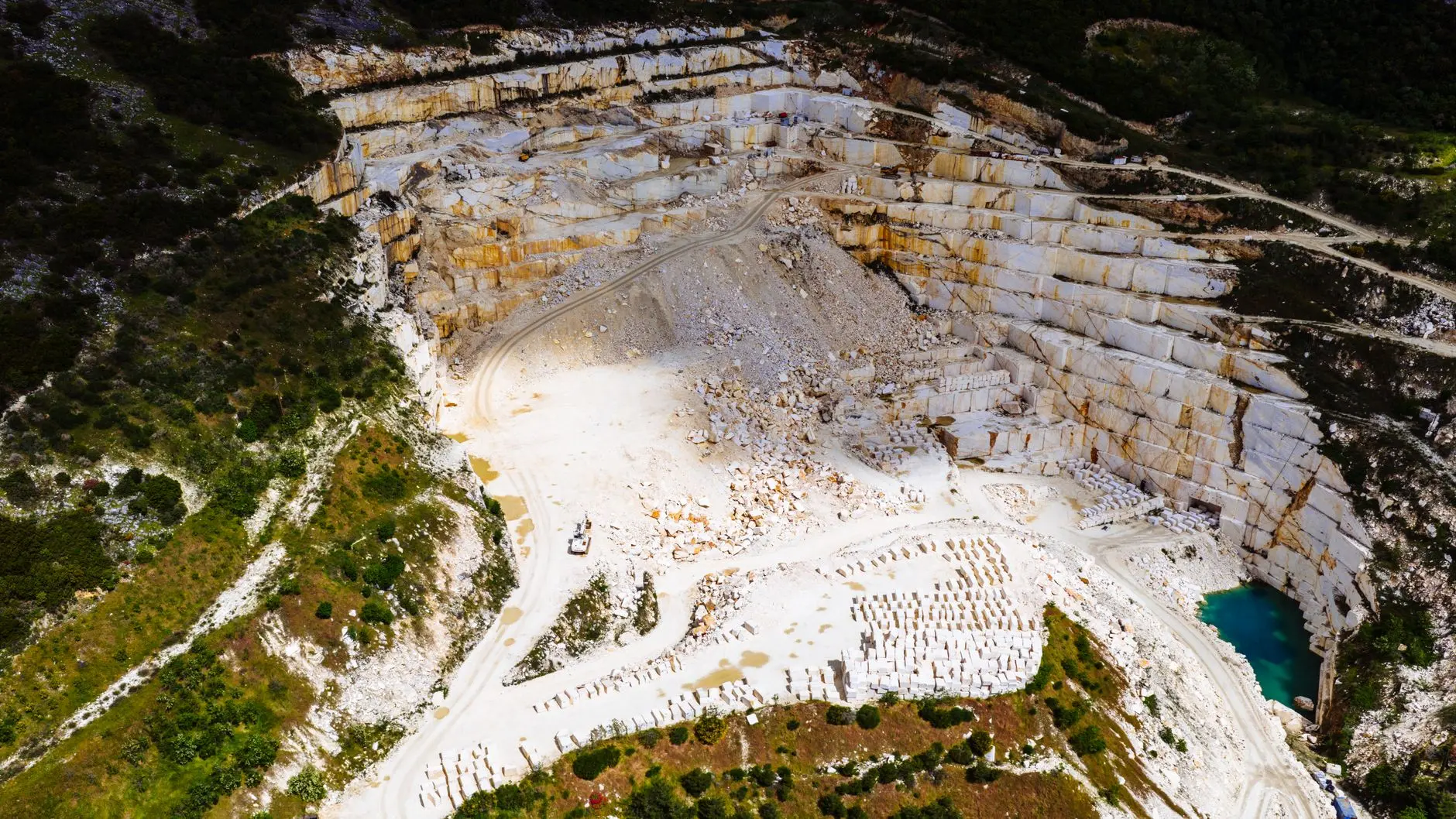
- Bolivia’s informal mining sector, comprising roughly 500,000 miners, plays a pivotal role in the country’s critical minerals output.
- Rising international demand for lithium and other strategic minerals exposes vulnerabilities in Bolivia’s supply chain due to informal labor dynamics.
- State efforts to formalize and regulate mining face resistance and operational challenges, complicating integration into global markets.
- Global critical minerals supply chains must reckon with Bolivia’s unique socio-economic and institutional landscape to secure sustainable sourcing.
The Impact of Bolivia’s Half a Million Miners on Global Critical Minerals Supply
What happened
Bolivia hosts an estimated half a million miners, many operating within informal or artisanal sectors, who collectively contribute substantially to the country’s production of critical minerals such as lithium, tin, and silver. This workforce exists alongside government-led projects aiming to scale up and formalize mineral extraction for export, particularly lithium — a metal essential to the global transition toward electric vehicles and renewable energy storage. Recent reports highlight tensions between these informal miners and state authorities, whose regulatory ambitions seek to impose order and optimize resource management. The resulting friction has significant implications for the reliability and predictability of Bolivia’s critical minerals supply in an era of heightened global demand.
Why it matters
Lithium and associated minerals have become cornerstone inputs in the manufacture of batteries, electronics, and clean energy technologies. Bolivia’s Uyuni Salt Flat holds some of the world’s largest lithium reserves, positioning the country as a potentially decisive player in global supply chains. However, the predominance of informal mining complicates efforts to ensure consistent output quality, environmental safeguards, and secure trade routes. As international markets accelerate demand for these minerals, Bolivia’s internal structural complexities—largely shaped by its vast informal mining populace—introduce risks of supply volatility. Understanding these dynamics is essential for governments and corporations that depend on stable critical minerals sourcing amid geopolitical competition and environmental scrutiny.
Industry context
The global critical minerals sector is characterized by concentrated supply chains often dominated by a handful of countries. While countries like Australia and Chile have established formal mining industries with substantial regulatory frameworks, Bolivia’s mining landscape remains fragmented. Informal miners typically operate with limited state oversight, lacking access to advanced extraction technologies and formal markets. This creates a dual economy where artisanal miners coexist with large-scale industrial operations, often competing for resources and political influence. Bolivia’s government has long sought to formalize mining activities and increase state participation in mineral exports, but entrenched informal practices and socioeconomic dependencies present significant hurdles. The country’s mining sector must navigate these tensions while aligning with international environmental and labor standards increasingly demanded by global buyers.
Analysis
The scale of Bolivia’s informal mining workforce is both an economic asset and a fundamental challenge. On one hand, these miners provide livelihoods for hundreds of thousands in regions with few alternative employment options, embedding mining deeply within the country’s social fabric. On the other, the lack of formalization undermines efforts to improve extraction efficiency, environmental protection, and supply chain transparency. Attempts to impose regulation frequently encounter resistance, as informal miners view governmental controls as threats to their autonomy and income. The state’s limited capacity to enforce laws across remote areas compounds this dynamic, fostering a semi-autonomous mining ecosystem. Consequently, Bolivia’s critical minerals output risks being fragmented and unpredictable, which complicates the integration of these resources into global supply chains that increasingly prioritize traceability and sustainability. The government’s balancing act—between harnessing the economic potential of its mineral wealth and managing the informal sector’s realities—will shape Bolivia’s role in the strategic minerals market for years to come.
What to watch next
Key developments to monitor include Bolivia’s policy shifts toward formalizing mining operations and the effectiveness of enforcement mechanisms in informal mining regions. International partnerships and investment flows into lithium extraction projects will signal the country’s trajectory in global markets. Additionally, how Bolivia addresses environmental concerns tied to mineral extraction—particularly water use and ecosystem impacts—will influence both domestic legitimacy and international acceptance. The response of informal miners to regulatory reforms remains a wildcard, with potential implications for social stability and production continuity. As global demand for critical minerals intensifies, Bolivia’s ability to reconcile its social mining realities with strategic economic ambitions will be a bellwether for supply chain resilience and diversification.
Ask AI about this story
Answers are based on this article and SN Media’s related coverage. AI can make mistakes.
Frequently asked questions
How significant is Boliviau2019s informal mining sector to its critical minerals production?
Boliviau2019s informal mining sector, with about 500,000 miners, contributes substantially to the countryu2019s output of critical minerals like lithium, tin, and silver, operating alongside formal government projects.
What challenges does Bolivia face in integrating its mining sector into global critical minerals supply chains?
Challenges include resistance from informal miners to formalization efforts, limited state enforcement capacity, fragmented mining operations, and difficulties ensuring consistent output quality, environmental safeguards, and supply chain transparency.
Why is Boliviau2019s lithium production important in the global context?
Boliviau2019s Uyuni Salt Flat holds some of the worldu2019s largest lithium reserves, making the country potentially decisive for global supply chains amid rising demand for lithium in batteries and clean energy technologies.
What future developments could affect Boliviau2019s role in the critical minerals market?
Key factors include the governmentu2019s success in formalizing mining operations, enforcement effectiveness, international investment in lithium projects, environmental management, and informal minersu2019 reactions to regulatory reforms, all influencing supply stability and market integration.
Continue the story
 BACKGROUND · How we got here
Geopolitical Implications of the Zambia-IRH Mining Dispute
BACKGROUND · How we got here
Geopolitical Implications of the Zambia-IRH Mining Dispute