







- Physical infrastructure dependencies in US airports lack sufficient redundancy, increasing risk of systemic outages.
- Single points of failure in telecommunications and power supply can cascade into widespread operational paralysis.
- Coordination among multiple agencies and private contractors complicates rapid response and recovery efforts.
- Resilience planning must integrate cybersecurity and physical asset protection to address evolving threat landscapes.
What happened
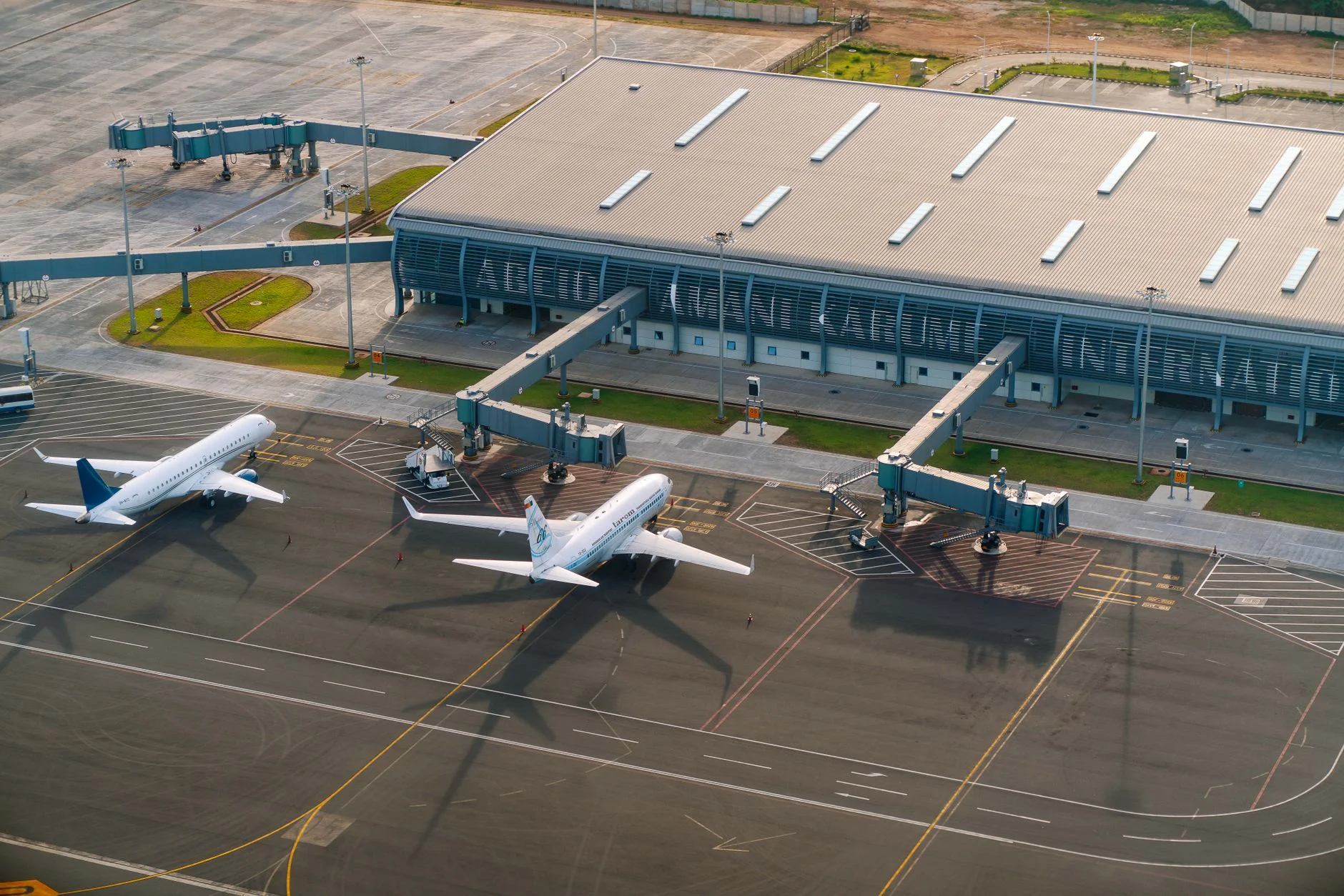
A severed cable disrupted operations at several major US airports, leading to significant delays and operational challenges. The cut, affecting critical communication and power lines, rendered key systems inoperable and exposed the fragility of interconnected infrastructure components. This incident unfolded over several hours, necessitating emergency measures and manual overrides to restore partial functionality. The disruption was not confined to a single facility but impacted multiple airports reliant on shared infrastructure pathways.
Why it matters
The incident reveals how physical vulnerabilities in airport infrastructure can rapidly degrade system-wide capabilities. Airports serve as vital nodes in national and international transportation networks; even brief outages ripple through passenger flows, cargo logistics, and security protocols. Beyond immediate operational impacts, such failures highlight risks to national resilience, particularly in emergencies where mobility and communication are critical. The event underscores the potential for deliberate sabotage or accidental damage to inflict disproportionate harm on essential services.
Industry context
US airports depend on complex networks of telecommunications, power distribution, and IT systems, often managed by a patchwork of public agencies and private contractors. Infrastructure modernization has prioritized digital integration, but many underlying physical assets remain dated and insufficiently secured against physical disruption. Regulatory frameworks mandate certain redundancy and resilience standards, yet implementation varies widely. Compared to European and Asian counterparts, US airports face unique challenges due to sprawling geography and decentralized management structures.
Analysis
The cable cut incident illustrates a fundamental trade-off in infrastructure design between cost-efficiency and robustness. Concentrating key utilities along shared corridors reduces expense and simplifies maintenance but creates critical single points of failure. The coordination challenges among multiple stakeholders complicate rapid damage assessment and repair, delaying restoration. Furthermore, the incident highlights gaps in contingency planning: reliance on manual overrides and ad hoc procedural workarounds indicates inadequate preparation for simultaneous multi-system outages. Integrating physical asset security measures—such as hardened conduits and surveillance—with cyber defenses could mitigate risks. Additionally, adopting distributed network architectures and investing in alternative routing paths would reduce vulnerability to localized physical damage.
What to watch next
Stakeholders will likely reexamine infrastructure resilience policies and investment priorities, balancing immediate operational needs against long-term security imperatives. Regulatory agencies may pursue more stringent requirements for redundancy and physical protection in airport utility corridors. Technological advancements, including sensor-based damage detection and automated failover systems, could gain traction. Monitoring how public-private partnerships evolve to address coordination challenges will be critical, as will assessing the integration of infrastructure resilience within broader national security frameworks. The incident serves as a catalyst to advance comprehensive risk management strategies across the transportation sector.
Ask AI about this story
Answers are based on this article and SN Media’s related coverage. AI can make mistakes.
Frequently asked questions
What caused the disruption at several major US airports?
A severed cable affecting critical communication and power lines disrupted operations at multiple airports, exposing vulnerabilities in interconnected infrastructure components.
Why did the cable cut incident have widespread effects across multiple airports?
The affected airports rely on shared infrastructure pathways, and the lack of sufficient redundancy in physical infrastructure created single points of failure that cascaded into broader operational paralysis.
What challenges complicated the response and recovery efforts after the cable cut?
Coordination among multiple public agencies and private contractors delayed rapid damage assessment and repair, and reliance on manual overrides indicated inadequate contingency planning for multi-system outages.
What measures are suggested to improve airport infrastructure resilience following this incident?
Recommendations include integrating physical asset protection with cybersecurity, adopting distributed network architectures, investing in alternative routing paths, enhancing regulatory requirements for redundancy, and leveraging technological advancements like sensor-based damage detection and automated failover systems.
Continue the story
 LATEST
Power Grid Vulnerabilities Exposed by Hurricane Isaias in the Gulf Coast
LATEST
Power Grid Vulnerabilities Exposed by Hurricane Isaias in the Gulf Coast