








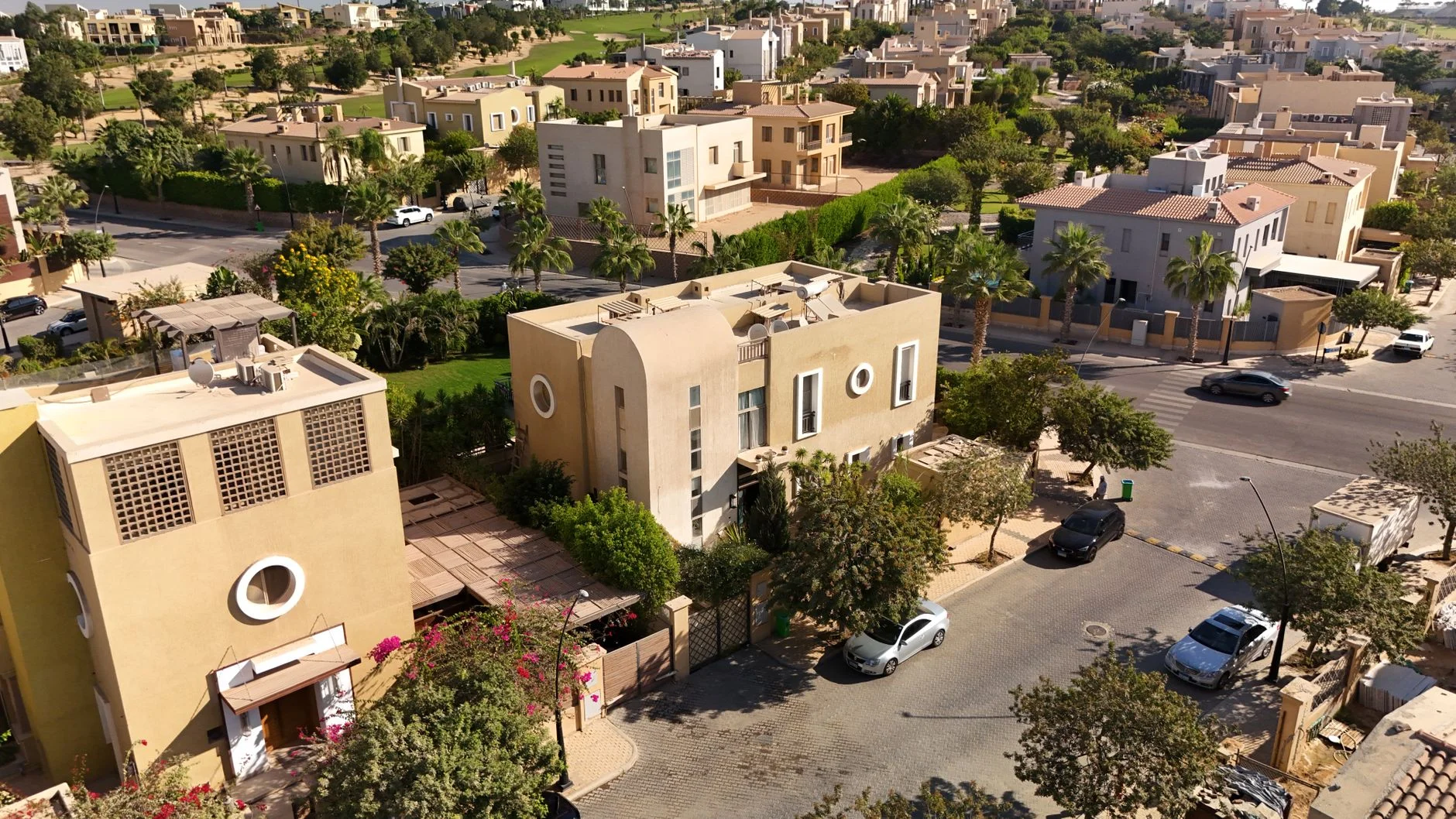
- Eagle Hills’ $12 billion project is the largest foreign real estate investment in the Maldives to date.
- The development aims to integrate luxury tourism with residential and commercial infrastructure.
- The scale and scope reflect a strategic push from Abu Dhabi into South Asia’s emerging property markets.
- Local regulatory frameworks and environmental concerns will shape the project’s ultimate viability and legacy.
What happened
Abu Dhabi-based Eagle Hills unveiled plans for an ambitious $12 billion mixed-use development in the Maldives, marking a significant escalation in Gulf investment into South Asia’s real estate sector. The project, reportedly the largest foreign property investment in the island nation’s history, encompasses luxury resorts, residential villas, retail spaces, and infrastructure enhancements. The development is situated on several islands within the Maldives’ atoll system, targeting a seamless blend of high-end tourism and permanent residences tailored to affluent buyers and international visitors.
Why it matters
This initiative signals a notable shift in the Maldives’ economic and real estate landscape, traditionally dependent on smaller-scale tourism and hospitality ventures. Eagle Hills’ entry introduces a paradigm of integrated urban development rarely seen in the region, with potential ripple effects across investment patterns, local employment, and regulatory oversight. The project’s scale pushes the boundaries of Maldives’ infrastructural capacity, raising questions about sustainable growth, environmental impact, and how the government balances foreign capital influx with national interests.
Industry context
The Maldives real estate market has historically been constrained by geographic fragmentation, stringent land ownership laws, and a reliance on tourism-driven demand. In recent years, however, Gulf investors—particularly from the UAE—have sought to diversify their portfolios by tapping into emerging South Asian markets. This follows a broader regional trend where capital-rich Middle Eastern firms invest in luxury real estate and hospitality projects abroad to hedge against oil-price volatility and domestic market saturation. Eagle Hills’ venture aligns with Abu Dhabi’s strategic vision to export its development expertise and financial muscle while fostering economic ties with the Indian Ocean region.
Analysis
Eagle Hills’ project represents a deliberate attempt to recalibrate the Maldives’ property market from a tourism-centric model to a multifaceted ecosystem combining leisure, residence, and commerce. The inclusion of permanent residential units indicates a push toward creating a year-round economic base rather than seasonal tourism flux. However, logistical challenges loom large: the Maldives’ dispersed geography complicates infrastructure connectivity and supply chain management. Furthermore, environmental concerns over coral reef preservation and coastal ecosystem stability may result in regulatory delays or operational constraints.
The Maldives government’s role will be pivotal in navigating these tensions. While foreign investment is crucial for capital inflow and job creation, excessive development risks undermining the natural assets that underpin the country’s global tourism appeal. Eagle Hills, backed by Abu Dhabi’s sovereign wealth-linked capital, benefits from deep pockets and long-term horizons, but must still negotiate local political dynamics and community expectations, which have historically been wary of unchecked foreign real estate speculation.
What to watch next
Key indicators to monitor include the project’s approval timeline within Maldivian regulatory bodies, particularly environmental impact assessments and land use permissions. Market response from both regional investors and high-net-worth individuals will also signal the viability of this integrated development model. Additionally, the evolution of Maldives’ legal framework around foreign real estate ownership and residency rights could either facilitate or constrain Eagle Hills’ ambitions. Finally, given the Maldives’ vulnerability to climate change, any adaptation measures incorporated into the project’s design will be critical to its sustainability and long-term success.
Ask AI about this story
Answers are based on this article and SN Media’s related coverage. AI can make mistakes.
Frequently asked questions
What is the scope of Eagle Hillsu2019 $12 billion project in the Maldives?
The project is a mixed-use development including luxury resorts, residential villas, retail spaces, and infrastructure improvements across several Maldivian islands, aiming to integrate tourism with permanent residences and commercial facilities.
Why is Eagle Hillsu2019 investment significant for the Maldives?
It is the largest foreign real estate investment in the Maldives to date and signals a shift from a tourism-dependent economy toward a more diversified property market combining leisure, residence, and commerce.
What challenges could affect the projectu2019s success?
Challenges include logistical difficulties due to the Maldivesu2019 dispersed geography, environmental concerns related to coral reefs and coastal ecosystems, and the need to balance foreign investment with local regulatory and community interests.
What factors will determine the projectu2019s future progress and impact?
Key factors include the Maldivian governmentu2019s regulatory approvals, especially environmental assessments and land use permissions, market acceptance by investors and buyers, potential changes in legal frameworks around foreign ownership, and climate change adaptation measures within the project design.
Continue the story
 LATEST
What Devon Energy’s $4.2 Billion Eagle Ford Sale Means for US Shale Market Dynamics
LATEST
What Devon Energy’s $4.2 Billion Eagle Ford Sale Means for US Shale Market Dynamics