








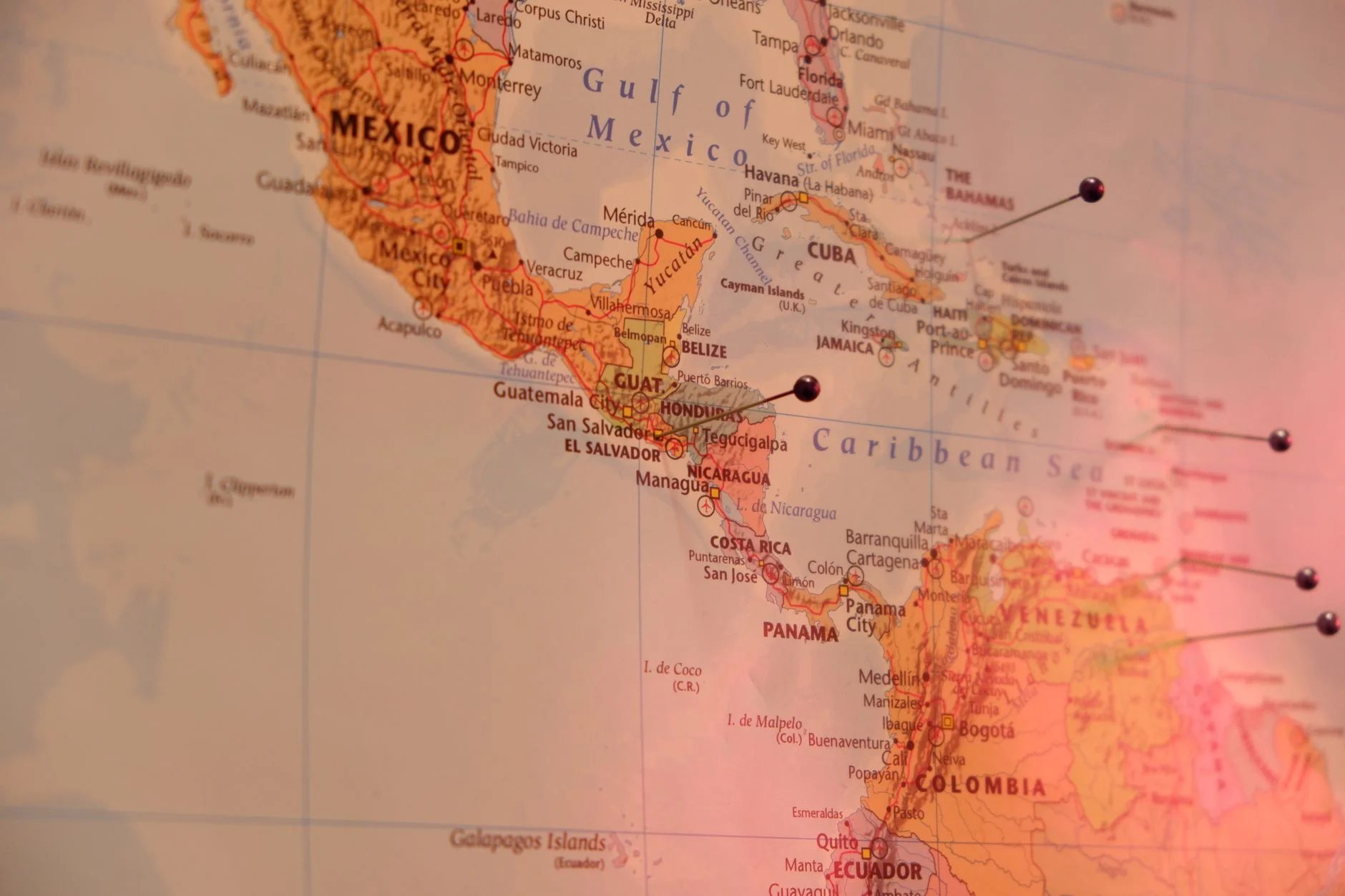
- The US removal of Venezuela from the narco state list signals a strategic recalibration in Washington’s approach to Latin America.
- This shift affects US-Venezuela diplomatic dynamics, potentially easing sanctions but complicating counter-narcotics cooperation.
- The decision reverberates across regional alliances, influencing Colombia’s position and broader hemispheric security frameworks.
- Long-term implications hinge on enforcement credibility and the interplay between geopolitical interests and drug trafficking realities.
What happened
The United States officially removed Venezuela from its list of countries designated as “narco states,” a label applied in 2019 under the prior administration. This designation linked the Venezuelan government directly to extensive drug trafficking operations, justifying a suite of sanctions and diplomatic isolations. The recent policy reversal, announced in September 2026, came alongside statements hinting that Colombia might face similar reassessments. This move marks a clear departure from the hardline stance that has dominated US policy toward Venezuela over the past seven years.
Why it matters
Removing Venezuela from the narco state list carries significant geopolitical weight beyond drug enforcement rhetoric. It signals Washington’s willingness to reconsider its adversarial posture toward Caracas amid shifting regional dynamics and domestic priorities. The change could unlock new diplomatic openings, potentially facilitating dialogue on economic and security issues long stalled by sanctions. However, it also raises questions about the signal sent to other countries in the region and the message regarding US commitment to combating illicit narcotics networks. The move complicates counter-narcotics cooperation frameworks, where Venezuelan territory remains a transit hub for cocaine bound for North America and Europe.
Industry context
The narco state label has served as a tool within US foreign policy to justify targeted sanctions and isolate regimes seen as complicit in drug trafficking, notably Venezuela and Nicaragua. The designation affects not only diplomatic relations but also financial institutions, shipping, and trade, as entities risk secondary sanctions. In Latin America, drug trafficking intertwines with internal conflicts, governance failures, and corruption, making these designations politically sensitive and operationally complex. Colombia, historically a US ally and the hemisphere’s largest cocaine producer, finds itself recalibrating its stance as Washington signals potential reassessment of its status. The shift reflects broader trends of US engagement in Latin America, balancing counter-narcotics priorities with geopolitical competition, particularly in the context of China’s expanding influence.
Analysis
The delisting of Venezuela reflects a pragmatic recognition of the limits of punitive sanctions as a tool for behavioral change. It acknowledges that isolating Caracas has not substantially diminished drug flows or undermined the Maduro regime’s resilience. Instead, the policy shift suggests an attempt to re-engage Venezuela as a stakeholder, leveraging diplomatic channels to address narcotics trafficking more effectively, albeit with inherent risks. This recalibration also aligns with a broader US realignment toward managing great power competition, where Latin America is increasingly a geopolitical chessboard.
The decision is likely to generate tension within the US political landscape, as critics may interpret it as rewarding authoritarianism or diminishing the fight against narcotics. Meanwhile, regional actors will interpret it through the prism of their own security and economic interests. Colombia, for instance, faces a delicate balancing act: it must navigate US expectations while addressing its own internal conflicts and drug production challenges. The potential extension of delisting to Colombia could further complicate US relationships in the region, given Bogotá’s role as a key security partner.
Moreover, the credibility of this policy shift depends on transparent metrics and enforcement mechanisms. Without clear benchmarks or multilateral cooperation, the delisting risks being perceived as a symbolic gesture rather than a substantive change in strategy. The persistence of drug trafficking networks that exploit Venezuela’s porous borders demands sustained international engagement, not a simple rebranding of status.
What to watch next
Observers should monitor how Venezuela responds diplomatically and operationally—whether it engages more actively in counter-narcotics cooperation or uses the delisting to consolidate its political position with less scrutiny. The US administration’s approach to Colombia’s status and the criteria it applies will also be telling, potentially reshaping hemispheric drug policy frameworks.
Additionally, the reactions of regional organizations such as the Organization of American States and initiatives like the Inter-American Drug Abuse Control Commission will be significant indicators of regional consensus or divergence. Finally, tracking changes in drug trafficking patterns and enforcement outcomes will clarify whether this geopolitical recalibration translates into practical progress or exacerbates existing challenges.
Ask AI about this story
Answers are based on this article and SN Media’s related coverage. AI can make mistakes.
Frequently asked questions
What does the US removal of Venezuela from the narco state list signify for US-Venezuela relations?
It signals a strategic shift from a hardline stance toward potential diplomatic openings, possibly easing sanctions and allowing for renewed dialogue on economic and security issues, though it complicates counter-narcotics cooperation.
How might this decision affect regional dynamics, particularly regarding Colombia?
The move influences regional alliances by prompting Colombia to reassess its position, especially as the US hints at a similar reassessment for Colombia, which could complicate US relationships and hemispheric security frameworks.
What are the main concerns or risks associated with Venezuelau2019s delisting from the narco state list?
Concerns include the risk of the delisting being perceived as symbolic without clear enforcement metrics, potential weakening of US commitment to combating drug trafficking, and the possibility that Venezuela might use the change to consolidate power with less scrutiny.
What should observers monitor to assess the impact of this policy change?
Observers should watch Venezuelau2019s diplomatic and operational engagement in counter-narcotics efforts, the US approach to Colombiau2019s status, reactions from regional organizations, and changes in drug trafficking patterns and enforcement outcomes.
Continue the story
 LATEST
The Geopolitical Stakes of Trump’s Venezuela Oil Deal Amid Production Challenges
LATEST
The Geopolitical Stakes of Trump’s Venezuela Oil Deal Amid Production Challenges