







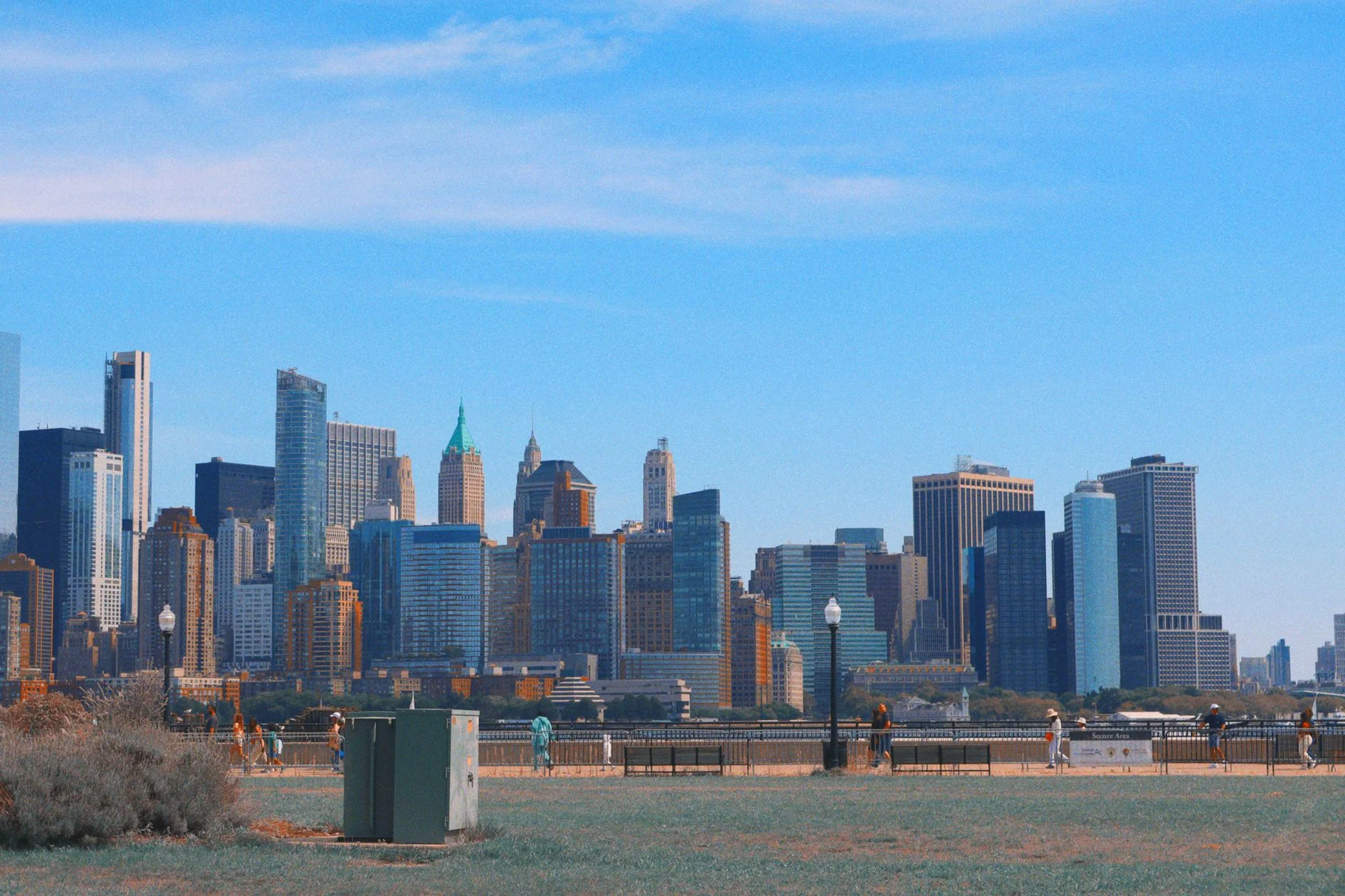
- Flash flooding exposed critical weaknesses in stormwater management systems across the Tri-State metropolitan region.
- Urban density and outdated infrastructure amplify flood impacts, complicating emergency response and recovery efforts.
- Climate change increases the frequency and intensity of extreme precipitation events, necessitating adaptive urban planning.
- Interjurisdictional coordination remains a key challenge for effective flood mitigation and resilience strategies.
What happened
A sudden and intense episode of flash flooding swept through parts of New York, New Jersey, and Connecticut, overwhelming drainage systems and inundating streets and transit networks. The deluge, driven by heavy rainfall within a short timeframe, resulted in widespread disruptions to daily life and exposed the fragility of urban infrastructure designed decades ago. Floodwaters entered residential and commercial areas, prompting emergency evacuations and straining municipal response capabilities. Although such events are not unprecedented, the scale and rapid onset brought renewed attention to the preparedness of one of the most densely populated metropolitan regions in the United States.
Why it matters
This event underscores systemic vulnerabilities in infrastructure that underpin urban resilience. The inability of existing stormwater and sewage systems to cope with extreme rainfall raises concerns not only about immediate public safety but also about long-term sustainability. As urban populations grow and climate change intensifies precipitation patterns, the risk of recurrent flooding threatens economic activity and public health. The flooding also disrupts critical transportation corridors and utilities, highlighting the interconnectedness of infrastructure systems and the cascading effects of failure. Addressing these challenges involves complex trade-offs between investing in costly upgrades and managing limited public resources.
Industry context
Urban infrastructure in the Tri-State Area largely reflects design standards and population projections from the mid-20th century, periods when extreme weather events of this magnitude were considered rare. Many drainage and sewer systems operate at or near capacity under normal conditions, and incremental maintenance has often been prioritized over comprehensive modernization. Additionally, rapid urbanization has increased surface runoff by reducing permeable land through paving and construction. Public agencies face budgetary constraints and overlapping jurisdictions, complicating coordinated infrastructure planning and flood mitigation efforts. In recent years, climate models project a rise in the intensity and frequency of extreme precipitation events, a factor that urban planners and engineers must increasingly incorporate into design criteria.
Analysis
The flash flooding event vividly illustrates the consequences of infrastructure lagging behind environmental realities. Critical mechanisms such as stormwater retention, green infrastructure, and real-time monitoring systems remain underutilized or underfunded. Urban density exacerbates flood impacts by limiting natural water absorption and concentrating populations in vulnerable locations. The fragmentation of governance across municipal, state, and federal levels inhibits a unified response and creates inefficiencies in resource allocation for infrastructure resilience. Moreover, emergency preparedness plans must contend with unpredictability in weather patterns and infrastructure performance under stress. Balancing immediate recovery with long-term adaptation demands a rigorous assessment of existing assets, investment in innovative technologies, and policy frameworks that incentivize cross-sector collaboration.
What to watch next
Future developments will hinge on how regional authorities prioritize infrastructure resilience in budgetary and policy agendas. Legislative initiatives focused on climate adaptation and infrastructure funding could accelerate upgrades to stormwater systems and promote nature-based solutions such as wetland restoration and permeable pavements. Advances in data analytics and sensor networks offer potential to enhance flood forecasting and emergency response coordination. Monitoring the evolution of interagency cooperation models will be critical, as integrated governance structures can optimize resource use and knowledge sharing. Finally, public engagement and equitable planning will determine how well vulnerable communities are protected as urban landscapes confront increasing hydrological risks.
Ask AI about this story
Answers are based on this article and SN Media’s related coverage. AI can make mistakes.
Frequently asked questions
What caused the flash flooding in the Tri-State Area?
The flash flooding was caused by a sudden and intense episode of heavy rainfall within a short timeframe, which overwhelmed drainage systems and inundated streets and transit networks.
Why is the existing urban infrastructure unable to manage such flooding effectively?
Much of the infrastructure was designed based on mid-20th century standards when extreme weather events were considered rare, and many drainage and sewer systems operate at or near capacity under normal conditions, with incremental maintenance prioritized over comprehensive modernization.
What are the main challenges to improving flood resilience in the Tri-State Area?
Key challenges include urban density limiting natural water absorption, fragmented governance across multiple jurisdictions complicating coordinated planning, budgetary constraints, and the need to adapt infrastructure to increasingly intense precipitation due to climate change.
What future measures are being considered to address these urban flooding vulnerabilities?
Potential measures include legislative initiatives for climate adaptation and infrastructure funding, nature-based solutions like wetland restoration, advances in data analytics for flood forecasting, improved interagency cooperation, and public engagement focused on protecting vulnerable communities.
Continue the story
 LATEST
Economic Impact of the Nor’easter on East Coast Businesses and Infrastructure
LATEST
Economic Impact of the Nor’easter on East Coast Businesses and Infrastructure
- LATEST Power Grid Vulnerabilities Exposed by Hurricane Isaias in the Gulf Coast
- LATEST Infrastructure Vulnerabilities Exposed by Cable Cut Disrupting Major US Airports
- LATEST Climate Change and the Rhine: How Extreme Weather Disrupts European Supply Chains
- LATEST How Michigan’s Public-Private Partnerships Are Shaping the Future of American Manufacturing