






- Venezuela holds the world’s largest proven oil reserves but faces severe production setbacks.
- Decades of underinvestment, sanctions, and political instability have crippled extraction infrastructure.
- Restoring Venezuela’s oil output requires complex negotiations balancing economic incentives and geopolitical risks.
- Any successful revival could significantly influence global oil supply and energy market geopolitics.
What happened
Venezuela’s oil sector, historically among the world’s most prolific, is undergoing a tentative phase of renewed interest from international investors and energy companies. Despite possessing the largest proven crude oil reserves globally, the country’s production capacity has plummeted to a fraction of its peak levels due to chronic underinvestment, mismanagement, and sanctions. Recent discussions and exploratory moves suggest potential for incremental recovery, although the path remains fraught with economic, technical, and political challenges.
Why it matters
The revival of Venezuelan oil production has implications far beyond national borders. At a time when global energy markets are navigating volatility caused by geopolitics, climate policy shifts, and supply-demand imbalances, Venezuela’s re-entry as a significant oil supplier could alter pricing dynamics, regional power balances, and the strategic calculations of major producers such as the United States, Russia, and OPEC members. Moreover, the success or failure of this resurgence will shed light on the feasibility of energy sector recovery in politically unstable environments.
Industry context
Venezuela’s oil industry has been crippled since the early 2010s. Once a member of the Organization of the Petroleum Exporting Countries (OPEC) with production exceeding 3 million barrels per day, output dropped below 1 million barrels amid economic collapse and US sanctions aimed at pressuring the Maduro government. Infrastructure deterioration, a brain drain of skilled workers, and limited access to capital and technology further compounded declines. International oil companies largely withdrew or scaled back operations, wary of legal and reputational risks. Meanwhile, the global energy landscape has shifted towards diversification, with renewable energy rising and major producers adjusting strategies in response to climate commitments and market fluctuations.
Analysis
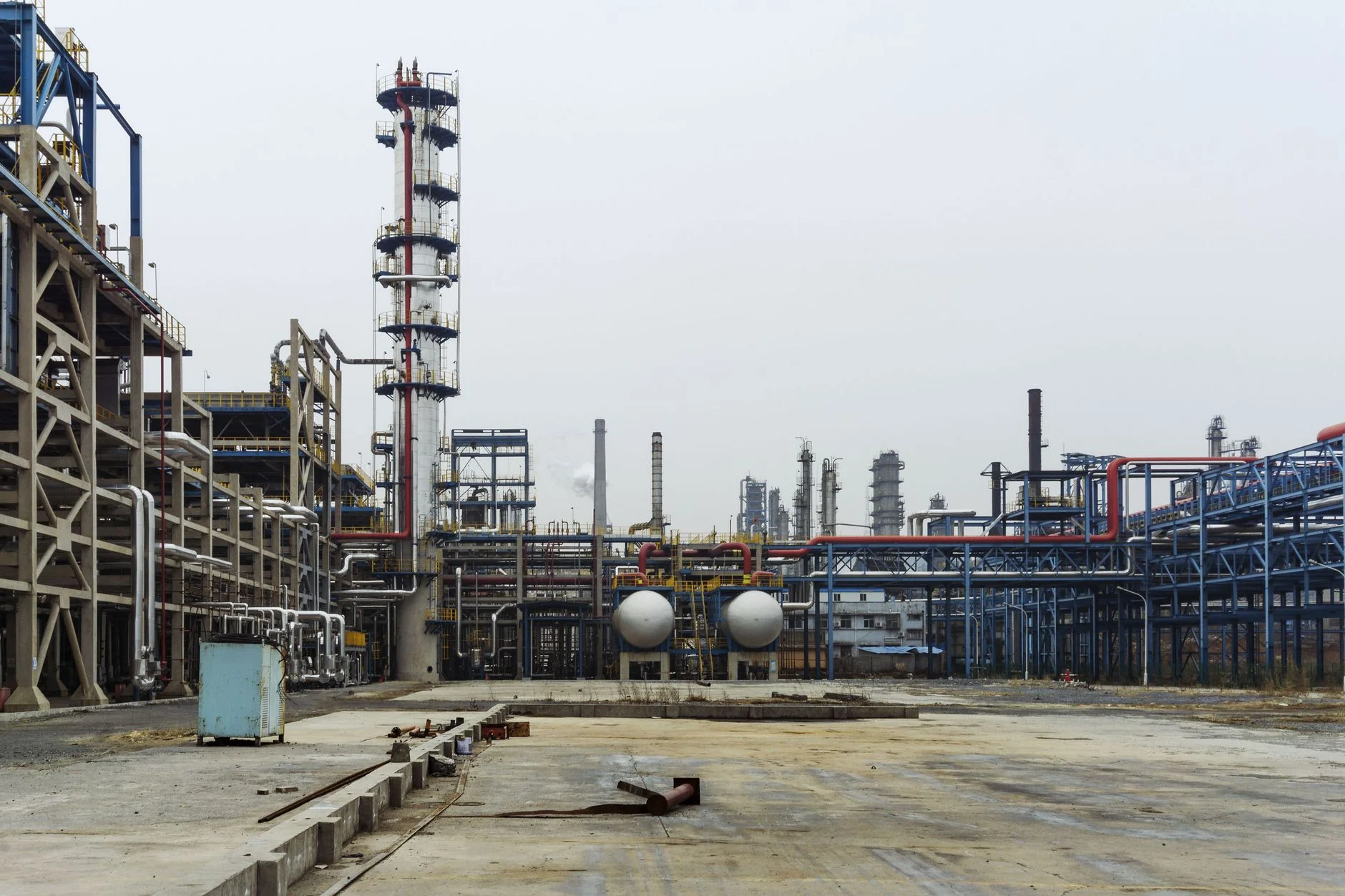
Rehabilitating Venezuela’s oil production capacity involves more than capital injection; it requires navigating a complex web of political and economic trade-offs. Infrastructure rehabilitation demands billions in investment to repair refineries, pipelines, and extraction facilities, many of which have suffered from neglect and sabotage. However, sanctions imposed by the United States restrict access to financing and technology crucial for modern recovery efforts. Negotiations about sanction relief hinge on political concessions, creating an unstable foundation for long-term investment.
Additionally, Venezuela’s oil reserves are heavy crude, requiring more processing and specialized infrastructure compared to lighter grades favored in many markets. This places constraints on the types of refineries that can utilize Venezuelan crude and influences export routes and partnerships. The involvement of state-owned enterprises from China and Russia underscores the geopolitical dimension, as both countries seek energy security and influence in Latin America, complicating relations with Western powers.
The economic calculus for Venezuela involves balancing immediate revenue needs against the risks of external dependency and potential loss of sovereignty over resource management. Internally, political fragmentation and social unrest pose threats to any sustained recovery, further deterring potential investors.
What to watch next
Key indicators to monitor include developments in US-Venezuela diplomatic relations and potential shifts in sanction policies, which could open pathways for greater foreign investment. Progress in repairing extraction and refining infrastructure will signal operational momentum, while changes in OPEC’s production quotas may reflect Venezuela’s reintegration into the global supply framework. Additionally, broader geopolitical alignments—such as China’s energy deals and Russia’s strategic positioning—will influence how Venezuela’s oil sector evolves and interacts with global energy markets. Finally, the country’s domestic political stability remains an unpredictable but critical factor shaping the future trajectory of its oil industry.
Ask AI about this story
Answers are based on this article and SN Media’s related coverage. AI can make mistakes.
Frequently asked questions
Why has Venezuela's oil production declined despite having the largest proven reserves?
Production has fallen due to decades of underinvestment, mismanagement, sanctions, infrastructure deterioration, and political instability, which have crippled extraction capabilities and driven away skilled workers and international companies.
What are the main challenges to restoring Venezuela's oil production capacity?
Challenges include the need for billions in investment to repair neglected infrastructure, navigating US sanctions that limit financing and technology access, political risks, and the complexity of processing heavy crude oil requiring specialized facilities.
How could Venezuela's oil sector revival impact global energy markets?
A successful revival could significantly influence global oil supply, pricing dynamics, and geopolitical power balances, affecting major producers like the US, Russia, and OPEC members, while also demonstrating the feasibility of energy recovery in politically unstable contexts.
What factors should be monitored to assess Venezuela's oil sector recovery progress?
Key factors include changes in US-Venezuela diplomatic relations and sanction policies, infrastructure repair progress, shifts in OPEC production quotas, geopolitical developments involving China and Russia, and Venezuela's domestic political stability.
Continue the story
 LATEST
The Geopolitical Stakes of Trump’s Venezuela Oil Deal Amid Production Challenges
LATEST
The Geopolitical Stakes of Trump’s Venezuela Oil Deal Amid Production Challenges
- LATEST How Falling Oil Prices Are Reshaping US Stock Market Sentiment
- LATEST How Falling Oil Prices Are Reshaping Global Market Sentiment Amid European Debt Worries
- LATEST How Rising Oil Prices Are Reshaping Global Inflation Expectations
- LATEST Global Fuel Supply Chains Under Strain: How Geopolitics Are Driving Diesel Prices Up