




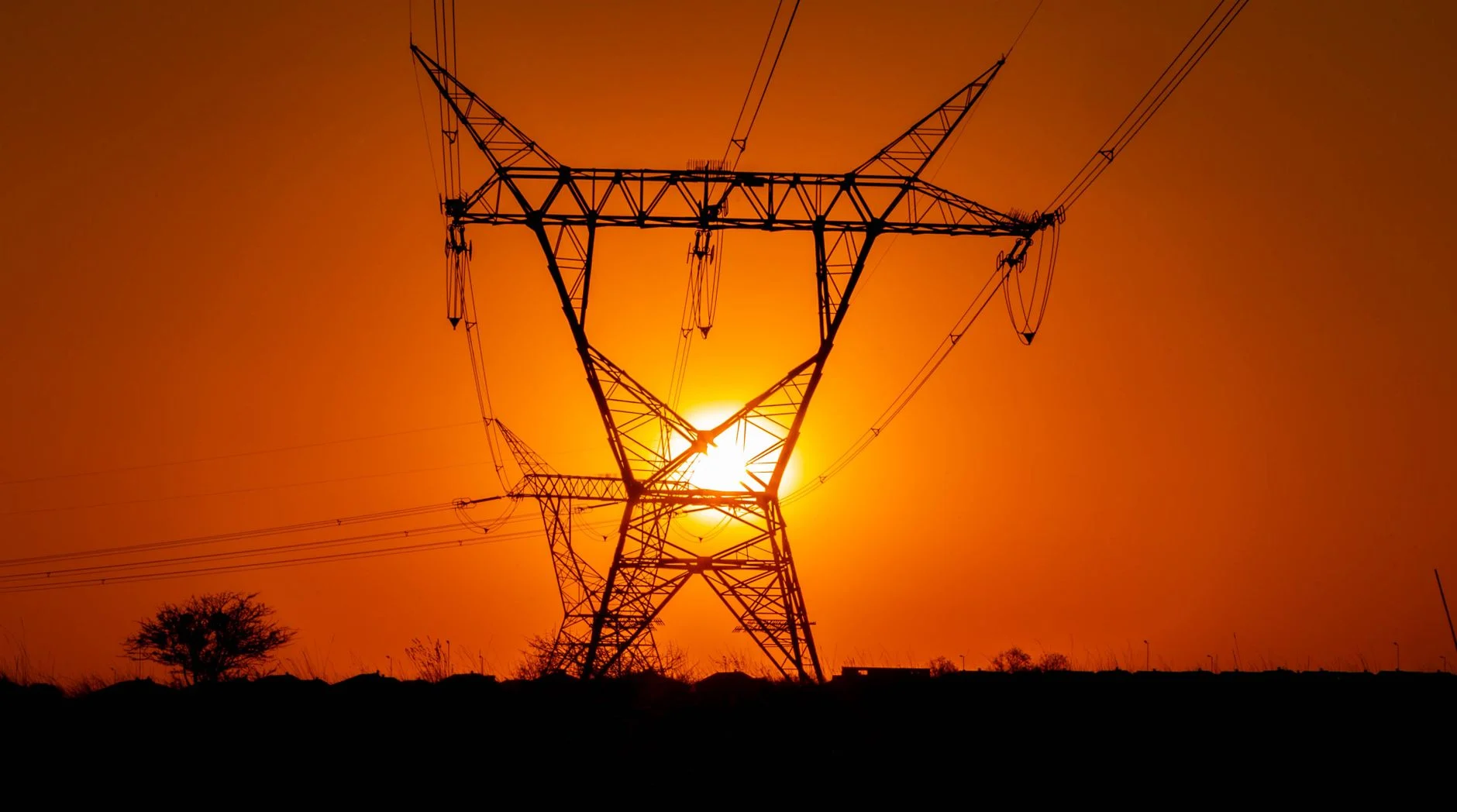
- South Africa plans to spin off Eskom’s transmission unit into an independent system operator (ISO).
- The move aims to enhance grid reliability and unlock renewable energy integration.
- Regulatory restructuring raises complex governance and investment challenges.
- Regional power trade and South Africa’s energy security could be significantly affected.
What happened
South Africa’s government has initiated a process to separate Eskom’s transmission division from its generation and distribution operations, creating an independent transmission system operator (ISO). This structural reform is a key step in the country’s broader energy sector overhaul. According to public reports, the government is actively seeking advisers to assist in the spin-off, signaling a commitment to redefine the management of the national grid. Eskom, a state-owned utility long encumbered by financial and operational difficulties, currently controls generation, transmission, and distribution, a vertical integration that has drawn criticism for inefficiencies and conflicts of interest.
Why it matters
The establishment of an ISO could improve transparency and operational focus within South Africa’s electricity sector, potentially addressing long-standing reliability issues. By unbundling transmission, the government aims to create a neutral grid operator that facilitates fair access for all power producers, especially independent renewables. This structural change is crucial as South Africa seeks to diversify its historically coal-dependent energy mix and meet increasing electricity demand. Furthermore, stable and efficient transmission infrastructure is foundational to national energy security, reducing the risk of grid failures and enabling smoother integration of variable renewable energy sources. The move also carries implications for regional power dynamics, as South Africa’s grid is a backbone for Southern Africa Power Pool (SAPP) exchanges.
Industry context
Globally, separating transmission from generation and distribution is a recognized best practice to promote competition and grid efficiency. Countries such as the United Kingdom and parts of Europe have implemented independent system operators or transmission system operators (TSOs) to manage grid access and reliability. South Africa’s energy sector has long struggled with Eskom’s financial distress, extensive debt burden, and operational bottlenecks, which have contributed to recurrent load shedding. The government’s Integrated Resource Plan (IRP) emphasizes renewable energy expansion, but grid constraints have stifled project implementation. In this context, an ISO is seen as a mechanism to enable a more open and responsive grid, attracting investment and fostering innovation in generation.
Analysis
The spin-off of Eskom’s transmission unit is not merely an administrative reshuffle; it introduces a complex interplay of regulatory, financial, and technical dimensions. Governance arrangements will be critical: ensuring the ISO’s operational independence while maintaining state oversight requires clear legal frameworks and capable institutions. Funding the transmission unit independently will also be challenging given Eskom’s precarious fiscal position and the capital-intensive nature of grid maintenance and upgrades. Moreover, the transition raises questions about workforce management and the preservation of institutional knowledge. Technically, the ISO must swiftly build capacity to manage grid stability as renewable penetration increases, demanding robust system planning and real-time market mechanisms. The initiative could disrupt existing power purchase agreements and alter the incentives for generation companies, necessitating a recalibration of sector contracts and tariffs. Regionally, South Africa’s leadership within the Southern African Power Pool hinges on a reliable transmission backbone; any missteps in the spin-off could reverberate across interconnected networks, affecting cross-border trade and regional energy security.
What to watch next
Key indicators to monitor include the government’s selection and terms of engagement with advisory firms, which will reveal the reform’s strategic direction and timelines. Legislative and regulatory developments will be pivotal, particularly amendments to the Electricity Regulation Act and related frameworks defining the ISO’s autonomy and accountability. The response from Eskom’s stakeholders, including labor unions and private sector participants, will influence the pace and scope of implementation. On the technical front, progress in establishing transparent grid access rules and market mechanisms will determine the ISO’s effectiveness. Lastly, the reform’s impact on project financing and renewable energy rollout will be a litmus test for South Africa’s ability to transition toward a more secure and sustainable energy future while maintaining its role as a regional power hub.
Ask AI about this story
Answers are based on this article and SN Media’s related coverage. AI can make mistakes.
Frequently asked questions
What is the main purpose of spinning off Eskomu2019s transmission unit into an independent system operator?
The main purpose is to improve grid reliability, enhance transparency, and facilitate fair access for all power producers, particularly to support renewable energy integration and address long-standing operational inefficiencies.
What challenges does the creation of the independent system operator (ISO) face?
Challenges include establishing clear governance and legal frameworks to ensure operational independence, securing funding amid Eskomu2019s financial difficulties, managing workforce transitions, and building technical capacity to maintain grid stability with increasing renewable energy penetration.
How might the spin-off affect South Africau2019s role in regional power trade?
Since South Africau2019s grid is central to the Southern African Power Pool, the spin-offu2019s success or failure could significantly impact regional power exchanges and energy security, with any missteps potentially disrupting cross-border electricity trade.
What are the next steps and indicators to watch in the reform process?
Key indicators include the governmentu2019s choice of advisory firms, legislative and regulatory changes defining the ISOu2019s autonomy, stakeholder responses, progress in transparent grid access and market mechanisms, and the reformu2019s effect on renewable energy project financing and rollout.
Continue the story
 LATEST
The Historical Lessons of the 1973 Arab Oil Embargo for Today’s Energy Policies
LATEST
The Historical Lessons of the 1973 Arab Oil Embargo for Today’s Energy Policies
- LATEST How Rising Energy Costs Are Reshaping Northern Ireland’s Economic Landscape
- LATEST Power Grid Vulnerabilities Exposed by Hurricane Isaias in the Gulf Coast
- LATEST What Devon Energy’s $4.2 Billion Eagle Ford Sale Means for US Shale Market Dynamics
- LATEST How Rising Energy Bills Impact Household Budgets Across the UK