








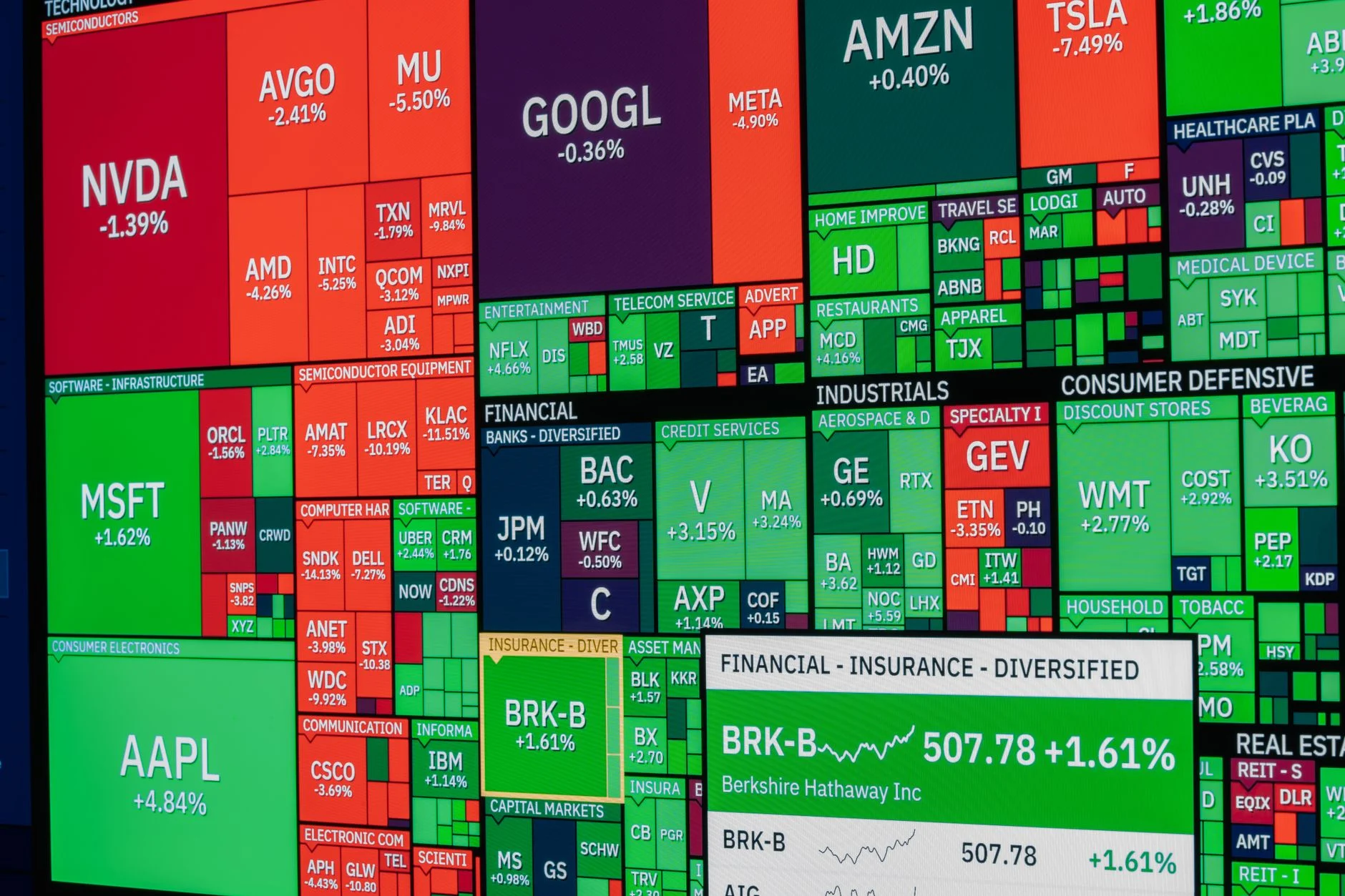
- Major technology firms have significantly increased bond issuance to finance AI initiatives.
- Recent market selloffs have led to undervaluation in bonds issued by leading tech companies.
- Investor appetite for tech bonds is shifting due to changing risk perceptions around AI-driven debt.
- The evolving credit landscape in tech reflects broader structural shifts in capital allocation and innovation cycles.
AI Investment Surge Triggers Bond Market Recalibration
Major technology corporations, including Alphabet and Amazon, have expanded their debt profiles to fund expansive artificial intelligence research and deployment. This surge in borrowing coincides with a notable selloff in their corporate bonds, which many market participants now regard as undervalued relative to intrinsic credit quality. The phenomenon reflects a recalibration in fixed income markets as investors reassess the risk-reward dynamic of tech credit amidst an intensifying AI arms race.
Why This Shift in Tech Debt Matters
The disproportionate increase in tech sector debt issuance tied to AI investments has introduced new layers of complexity to credit evaluation. These companies are leveraging debt markets not only to accelerate innovation but also to maintain competitive positioning in a rapidly evolving landscape. Consequently, bond prices have adjusted to incorporate uncertainties around the pace and profitability of AI integration, impacting yields and investor demand. For fixed income investors, this creates differentiated opportunities and challenges in balancing exposure to growth-oriented yet capital-intensive enterprises.
Contextualizing the Trend Within the Broader Credit Market
Historically, technology firms have relied more heavily on equity financing due to high growth trajectories and valuation multiples. However, the current phase of AI development demands substantial upfront capital, prompting a strategic pivot toward debt markets. This shift contrasts with prior cycles dominated by consumer and industrial debt issuance, underscoring the tech sector’s increasing influence on corporate credit benchmarks. Additionally, the macroeconomic environment—characterized by fluctuating interest rates and inflation expectations—intersects with sector-specific factors, reshaping investor perceptions of creditworthiness.
Analytical Perspectives on the Tech Bond Selloff
The recent correction in tech bonds can be attributed to several intertwined factors: heightened risk aversion amid uncertain AI commercialization timelines, liquidity reallocation across asset classes, and the recalibration of credit spreads to reflect long-term leverage sustainability. Investors are grappling with the trade-offs between the transformative potential of AI and the near-term financial strain imposed by elevated debt levels. Crucially, this dynamic highlights a divergence between equity market exuberance for AI innovation and the more cautious stance of debt investors prioritizing balance sheet resilience.
What to Watch in Tech Credit Markets Going Forward
Key developments to monitor include the trajectory of AI project outcomes and their impact on revenue growth and cash flow generation within tech firms. Market participants will also scrutinize refinancing risks as elevated debt maturities approach in the medium term. Regulatory scrutiny of AI investments and potential shifts in capital market conditions—such as interest rate movements or credit rating adjustments—could further influence bond valuations. Ultimately, the evolving interplay between innovation-driven capital deployment and credit market discipline will shape the contours of tech debt investment strategies in the years ahead.
Ask AI about this story
Answers are based on this article and SN Media’s related coverage. AI can make mistakes.
Frequently asked questions
Why have major tech companies increased their bond issuance recently?
Major tech companies have expanded their bond issuance to finance extensive artificial intelligence research and deployment, requiring substantial upfront capital investment.
What caused the recent selloff in tech bonds and their undervaluation?
The selloff and undervaluation stem from investors reassessing risks related to AI commercialization timelines, liquidity shifts, and adjustments in credit spreads reflecting long-term leverage concerns.
How does the current tech debt trend differ from past financing cycles?
Unlike previous reliance on equity financing due to high growth, tech firms are now pivoting toward debt markets to fund AI development, marking a shift in corporate credit benchmarks influenced by sector-specific and macroeconomic factors.
What factors should investors monitor regarding tech bonds going forward?
Investors should watch AI project outcomes affecting revenue and cash flow, refinancing risks as debt matures, regulatory developments on AI investments, and changes in capital market conditions like interest rates and credit ratings.
Continue the story
 LATEST
How AI Investment is Reshaping Corporate Credit Markets
LATEST
How AI Investment is Reshaping Corporate Credit Markets