






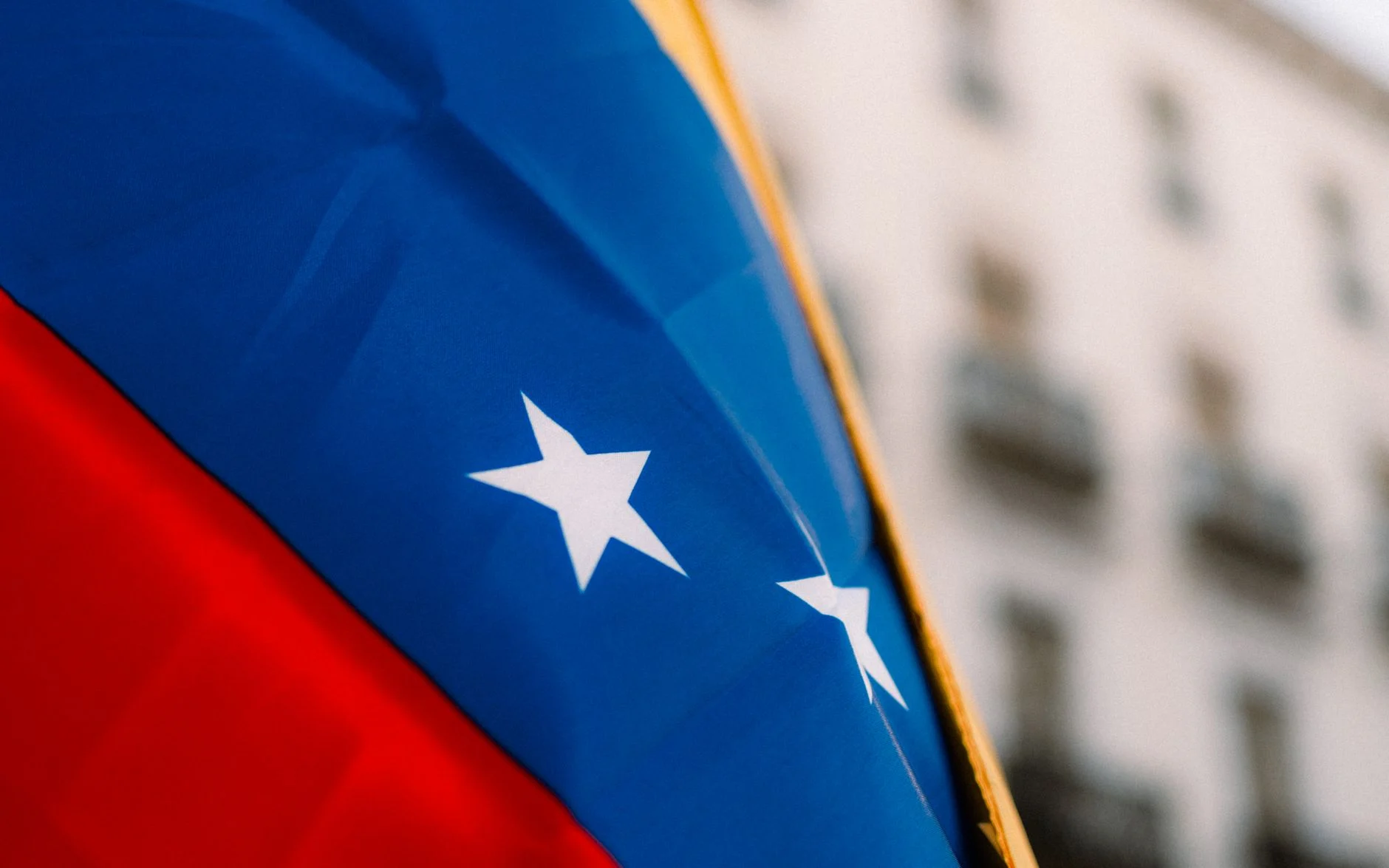
- US efforts to assert control over Venezuelan oil reserves hinge on legal and diplomatic maneuvers amid contested sovereignty.
- Strategic aims include countering Russian and Chinese influence in Latin America and stabilizing global energy supplies.
- Venezuela’s oil sector remains fragmented and politically volatile, complicating efforts to extract and export resources effectively.
- Long-term shifts in global energy demand and alternative sources could undercut the geopolitical value of Venezuelan crude.
What Happened
The United States government has intensified efforts to secure majority control over Venezuela’s extensive oil reserves through a combination of sanctions, asset seizures, and diplomatic pressure. This approach involves leveraging legal claims against Venezuela’s state oil company, Petróleos de Venezuela, S.A. (PDVSA), while supporting opposition-aligned entities to assert ownership rights abroad. Recently, these maneuvers have extended to blocking Venezuelan oil exports that reach markets friendly to Caracas, aiming to curtail revenue flows to the Maduro regime. The US simultaneously signals readiness to integrate Venezuelan crude into strategic reserves or commercial supply chains once compliant governance or ownership structures are established.
Why It Matters
Control over Venezuela’s oil resources represents a critical node in the broader geopolitical contest between the US and rivals like Russia and China. Venezuela holds the world’s largest proven oil reserves, yet production has plummeted due to mismanagement and sanctions. For Washington, gaining leverage over these assets offers both an economic and strategic prize. It could help mitigate global supply disruptions, especially amid ongoing energy market volatility, and weaken adversarial influence in Latin America. However, these aims intersect with complex questions of sovereignty, international law, and the legitimacy of opposition claims, which carry implications for global norms and regional stability.
Industry Context
Venezuela’s oil industry, once a powerhouse of export capacity, has been in near collapse for years. Sanctions imposed by the US and European Union restrict investment and trade, while internal political instability has deterred operational recovery. China and Russia have maintained varying levels of involvement, providing financing and technical support, thus embedding themselves in Venezuela’s oil infrastructure. The global energy landscape is concurrently evolving, with shifts toward renewables and alternative suppliers altering the calculus of oil’s strategic importance. Despite this, Venezuelan crude’s heavy, sour quality remains valuable for specific refining processes, sustaining its niche demand.
Analysis
The US strategy to claim de facto ownership over Venezuelan oil reserves relies on a series of calculated legal and diplomatic steps designed to circumvent Venezuela’s recognized sovereignty. By recognizing opposition-aligned entities as legitimate stakeholders, the US contests Maduro’s control and creates leverage for eventual political transition. This tactic, however, risks exacerbating regional tensions and undermining established international legal frameworks regarding state assets. Additionally, the practical challenges of reviving production—amid infrastructure decay and skilled labor shortages—mean control on paper does not translate immediately into increased output.
The involvement of Russia and China complicates the scenario. Both have vested interests in preserving the Maduro government as a counterbalance to US influence. Their investments also serve broader strategic ambitions, from securing resource access to projecting power in the Western Hemisphere. The US push, therefore, is not only about energy security but also about reasserting geopolitical dominance in the Americas.
From a market perspective, the uncertain future of Venezuelan oil underscores a broader trend: the declining centrality of large, politically fraught oil reserves in global supply portfolios. Energy diversification and climate policy commitments in Europe, North America, and Asia reduce dependency on any single source, even one as potentially vast as Venezuela’s. This reality tempers the long-term strategic value of control over these reserves, shifting US interest toward short- to medium-term leverage rather than outright resource acquisition.
What to Watch Next
Key developments will revolve around the evolution of US legal claims and the international community’s response to contested ownership of Venezuelan oil assets. Monitoring court rulings and enforcement actions against PDVSA-linked entities will reveal how effective US pressure can be. Diplomatic engagements in Latin America, especially with countries balancing ties to the US and Venezuela, will indicate regional acceptance or resistance to Washington’s approach.
Production trends and export patterns from Venezuela will also be critical indicators. Any meaningful recovery in output, despite sanctions, could alter market dynamics and complicate US efforts. Finally, shifts in global energy policy, particularly relating to transition away from fossil fuels, may recalibrate the geopolitical stakes attached to Venezuelan oil over the coming decade.
Ask AI about this story
Answers are based on this article and SN Media’s related coverage. AI can make mistakes.
Frequently asked questions
What legal and diplomatic strategies is the US using to control Venezuelan oil reserves?
The US is leveraging legal claims against Venezuelau2019s state oil company PDVSA, supporting opposition-aligned entities to assert ownership abroad, imposing sanctions, seizing assets, and blocking Venezuelan oil exports to markets friendly to Caracas.
How do Russia and China factor into the US efforts regarding Venezuelan oil?
Russia and China maintain involvement by providing financing and technical support to Venezuelau2019s oil sector, backing the Maduro government as a counterbalance to US influence, which complicates US attempts to assert control over the reserves.
What challenges exist in reviving Venezuelau2019s oil production despite US control efforts?
Venezuelau2019s oil sector suffers from fragmentation, political volatility, infrastructure decay, skilled labor shortages, and the impact of sanctions, all of which hinder effective extraction and export of resources even if control is established on paper.
How might global energy trends affect the strategic value of Venezuelan oil?
Shifts toward renewable energy and diversification of supply reduce dependency on Venezuelan crude, tempering its long-term strategic value and shifting US interest toward short- to medium-term leverage rather than outright resource acquisition.
Continue the story
 LATEST
The Geopolitical Stakes of Trump’s Venezuela Oil Deal Amid Production Challenges
LATEST
The Geopolitical Stakes of Trump’s Venezuela Oil Deal Amid Production Challenges
- LATEST Geopolitical Implications of the US Removing Venezuela from Narco State List
- LATEST The Historical Lessons of the 1973 Arab Oil Embargo for Today’s Energy Policies
- LATEST Global Fuel Supply Chains Under Strain: How Geopolitics Are Driving Diesel Prices Up
- LATEST Geopolitical Implications of US Troop Surge in the Middle East