







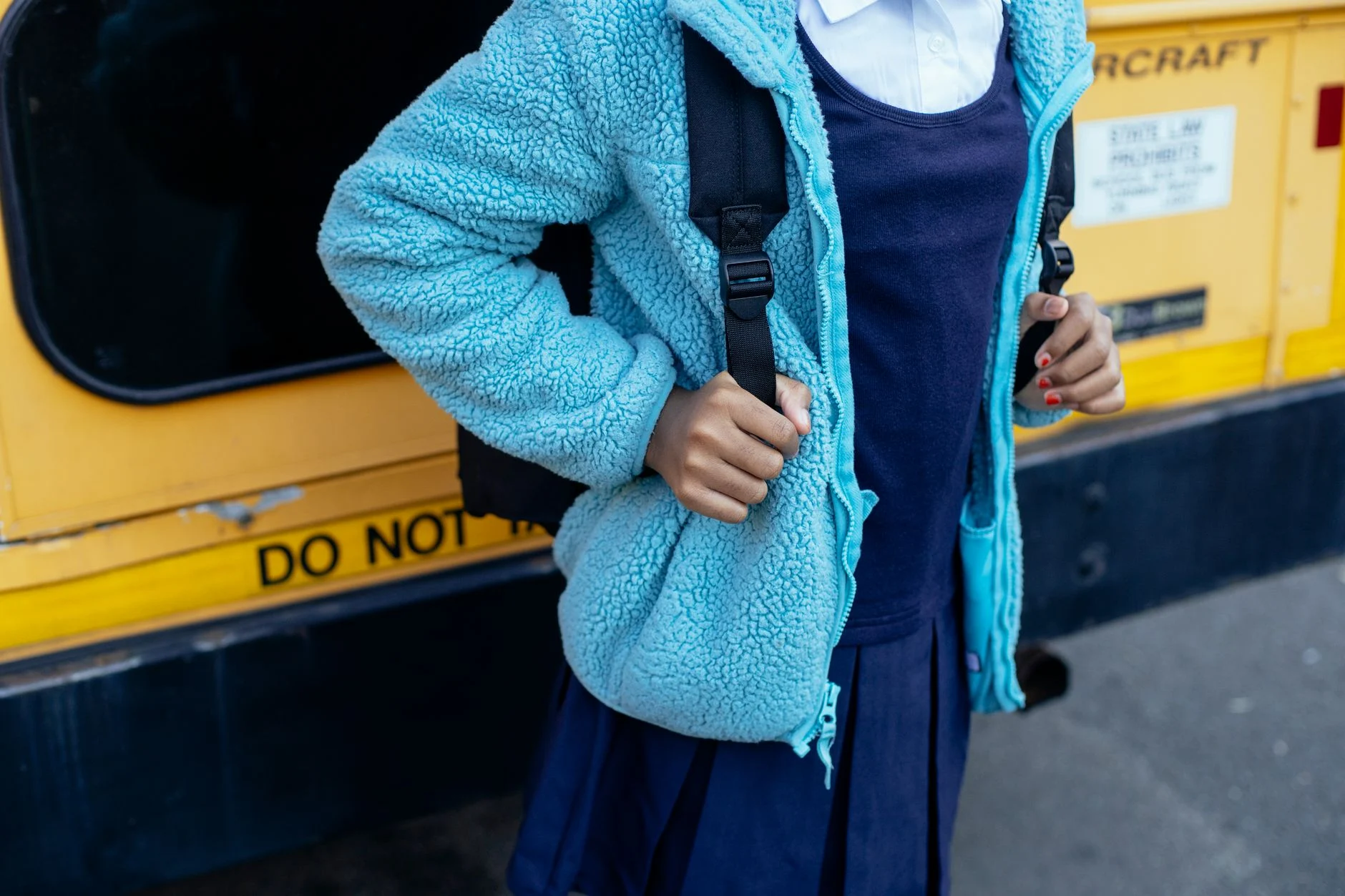
- School uniform swap shops significantly reduce textile waste by extending garment lifecycles.
- These initiatives cultivate early environmental responsibility among students and families.
- Swap shops address economic inequalities by easing the financial burden of uniform costs.
- Institutional backing and community engagement are critical for scaling sustainable uniform programs.
What happened
In recent years, school uniform swap shops have emerged as a pragmatic response to environmental and social challenges within education systems worldwide. These grassroots initiatives enable students and families to exchange pre-owned uniforms, reducing the need for new purchases. The model, increasingly adopted by schools and community groups, offers a tangible method to curb the significant waste generated by frequently replaced school attire. By creating accessible platforms for uniform reuse, these swap shops not only limit environmental impact but also support families facing economic pressures related to school expenses.
Why it matters
Textile production is a major contributor to global pollution and resource depletion, with fast fashion and disposable clothing practices exacerbating the problem. School uniforms, often mandated and replaced regularly due to growth or wear, contribute disproportionately to this waste stream. Swap shops address this issue by promoting circularity within a traditionally linear consumption model. Additionally, they democratize access to uniforms, easing costs for lower-income households and reducing social stigma associated with secondhand clothing. Beyond environmental and economic benefits, these programs foster a culture of sustainability and shared responsibility among young people, potentially influencing lifelong consumption habits.
Industry context
The fashion industry, including the niche of school uniforms, is under increasing scrutiny for its environmental footprint. Sustainable fashion initiatives have gained momentum, but institutional adoption within education remains sporadic and typically limited to policy statements or isolated recycling efforts. Swap shops represent a low-tech, community-driven alternative to corporate-led sustainability programs. Their success hinges on collaboration between schools, parent associations, local governments, and charitable organizations. However, challenges persist related to logistics, hygiene standards, and the variability of uniform styles across regions and schools, which can complicate large-scale uniform reuse.
Analysis
The effectiveness of uniform swap shops lies in their capacity to create localized supply chains of used garments, reducing dependence on new production while maintaining affordability. This model leverages social capital and shared interest to overcome barriers that often hinder sustainable consumption, such as convenience and social acceptance. By involving students directly, swap shops embed environmental education within everyday practices, reinforcing the connection between individual actions and broader ecological outcomes. Yet, the scalability of these programs depends on institutional endorsement and resource allocation. Schools willing to invest administrative support and facilitate community partnerships can transform swap shops from informal exchanges to structured systems integrated into school operations. Moreover, clear guidelines on garment quality and sanitation are necessary to build trust and encourage participation.
What to watch next
The future trajectory of school uniform swap shops will likely be shaped by policy developments around sustainability in education and fashion. Monitoring government initiatives aimed at reducing school-related waste could reveal opportunities for formalizing and funding these programs. Advances in digital platforms may also streamline swap logistics, expanding reach and efficiency. Additionally, research into the social impacts of swap shops on student attitudes and community cohesion could strengthen the case for their widespread adoption. Observing how different regions adapt the concept to varied cultural and economic contexts will provide insight into the model’s versatility and potential as a blueprint for sustainable consumption beyond the education sector.
Ask AI about this story
Answers are based on this article and SN Media’s related coverage. AI can make mistakes.
Frequently asked questions
How do school uniform swap shops contribute to sustainability?
They reduce textile waste by extending the lifecycle of garments, promoting circularity in uniform consumption, and limiting the environmental impact of frequent uniform replacement.
What social benefits do uniform swap shops provide beyond environmental impact?
They ease the financial burden of uniform costs for lower-income families and reduce social stigma associated with secondhand clothing, fostering inclusivity and economic equity.
What challenges affect the scalability of school uniform swap shops?
Challenges include logistical issues, maintaining hygiene standards, variability in uniform styles, and the need for institutional support and resource allocation to formalize and integrate these programs into school operations.
What factors will influence the future development of uniform swap shops?
Policy developments on sustainability in education, advances in digital platforms for swap logistics, research on social impacts, and regional adaptations to cultural and economic contexts will shape their trajectory and potential for broader adoption.
Continue the story
 LATEST
From Street Market to Global Spotlight: The Impact of TikTok on Emerging Fashion Brands
LATEST
From Street Market to Global Spotlight: The Impact of TikTok on Emerging Fashion Brands
- LATEST How Jane Street’s Entry is Reshaping the Leveraged ETF Swap Market
- LATEST The Decline of Wall Street’s Nike Fandom: What It Means for the Sportswear Sector
- LATEST EU vs. US: A Comparative Analysis of Trade Strategies in the Battle with China
- LATEST The Corporate Missteps Behind Nike’s Decline: A Deep Dive