








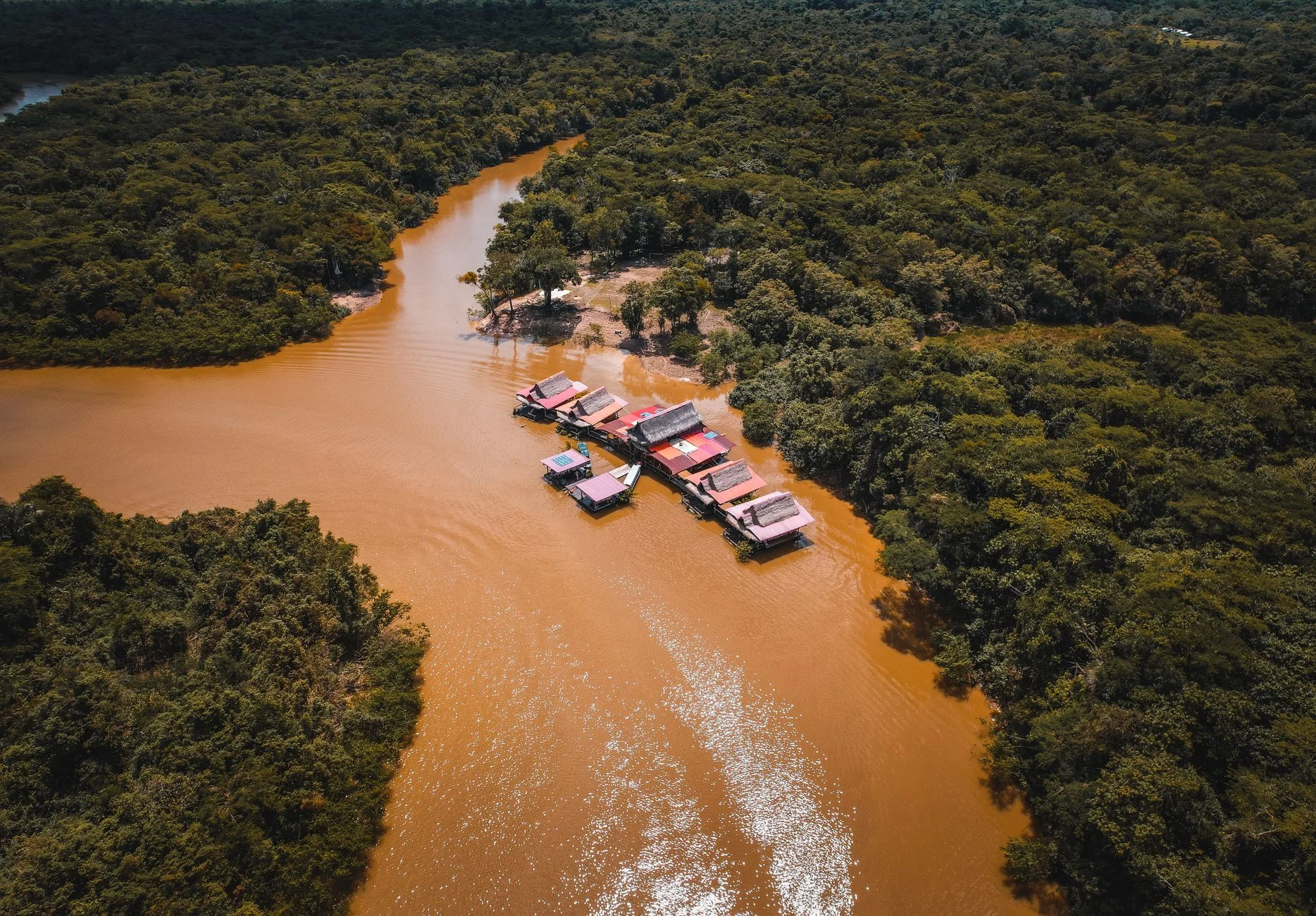
- Rising global gold prices have intensified illegal mining activities in Peru’s Amazon.
- Illegal mining operations contribute significantly to deforestation and mercury pollution.
- Economic benefits for local miners conflict with long-term environmental sustainability.
- Insufficient regulatory enforcement and governance gaps exacerbate environmental degradation.
The Environmental and Economic Impact of Illegal Gold Mining in Peru’s Amazon
What happened
Peru’s Amazon region has experienced a marked increase in illegal gold mining activity over recent years, a trend closely tied to the sustained rise in global gold prices. Miners, often operating without permits or environmental safeguards, have expanded their footprint deep into protected forest reserves. This surge has resulted in accelerated deforestation, soil erosion, and the widespread release of mercury used in gold extraction. Local communities reliant on the forest for subsistence face growing economic and ecological disruption as mining sites proliferate.
Why it matters
The expansion of illegal mining in one of the world’s most biodiverse ecosystems presents a complex dilemma. On one hand, gold mining offers immediate income opportunities for marginalized populations with limited alternatives. On the other, the environmental costs are profound and potentially irreversible: loss of rainforest cover, contamination of aquatic systems, and diminished carbon sequestration capacity. These environmental damages not only threaten Peru’s biodiversity but also undermine global climate mitigation efforts. Moreover, illegal mining undermines the rule of law, complicates governance in remote regions, and can fuel social conflicts.
Industry context
Peru ranks among the world’s largest gold producers, with its formal mining sector regulated under national laws and international standards. However, illegal mining operates largely outside these frameworks, driven by informal networks and facilitated by weak institutional oversight. The gold supply chain is global and opaque, with illicitly mined gold often entering markets through intermediaries. This situation is exacerbated by fluctuating commodity prices, which incentivize rapid, unregulated extraction during price surges. Additionally, enforcement agencies face logistical challenges in accessing remote mining zones, while economic dependence on mining deters strict crackdowns.
Analysis
The interplay between economic incentives and environmental degradation in Peru’s Amazon illustrates a classic resource curse scenario intensified by governance deficits. Illegal miners exploit the high price of gold to extract resources rapidly, prioritizing short-term gains over ecosystem health. The use of mercury, though banned in many countries, persists due to its effectiveness and low cost, despite its toxicity and long-lasting impact on human and environmental health. This dynamic highlights the limitations of current regulatory frameworks that struggle to balance economic livelihoods and conservation.
The involvement of organized criminal groups in some mining operations adds layers of complexity, intertwining environmental issues with security and corruption. Moreover, indigenous and local communities are caught between economic necessity and environmental stewardship, often excluded from decision-making processes. International demand for gold, coupled with inadequate supply chain transparency, perpetuates illegal mining incentives. Efforts to formalize artisanal mining have met with mixed success, as formalization requires resources, training, and market access that are often unavailable.
What to watch next
Monitoring the Peruvian government’s response will be crucial, particularly any measures to strengthen enforcement in key hotspots and improve collaboration with indigenous communities. International initiatives aimed at increasing supply chain transparency, such as certification schemes and trade regulations, could influence the flow of illegal gold. Additionally, innovations in satellite monitoring and remote sensing may enhance detection of deforestation linked to mining. Economic diversification programs in Amazonian regions will be important to reduce local dependence on illegal mining. Lastly, the trajectory of global gold prices will remain a significant determinant in the scale and intensity of illegal mining activities moving forward.
Ask AI about this story
Answers are based on this article and SN Media’s related coverage. AI can make mistakes.
Frequently asked questions
What are the main environmental impacts of illegal gold mining in Peruu2019s Amazon?
Illegal gold mining has caused accelerated deforestation, soil erosion, and widespread mercury pollution, which harms aquatic systems and reduces the rainforestu2019s carbon sequestration capacity.
Why does illegal gold mining persist despite environmental and legal concerns?
Illegal mining persists due to high gold prices creating strong economic incentives, weak regulatory enforcement, logistical challenges in remote areas, and local economic dependence on mining.
How does illegal gold mining affect local communities in the Amazon?
Local communities face economic disruption and ecological damage, caught between the need for income from mining and the loss of forest resources they rely on, often without meaningful participation in decision-making.
What measures are being considered or implemented to address illegal mining in Peru?
The Peruvian governmentu2019s response will focus on strengthening enforcement and collaboration with indigenous communities, while international efforts aim to improve supply chain transparency; satellite monitoring and economic diversification are also potential tools, though their effectiveness remains to be seen.
Continue the story
 LATEST
The Impact of Bolivia’s Half a Million Miners on Global Critical Minerals Supply
LATEST
The Impact of Bolivia’s Half a Million Miners on Global Critical Minerals Supply
- LATEST Legal Battle Over London Gold Market Rules: Implications for Global Bullion Trading
- LATEST Geopolitical Implications of the Zambia-IRH Mining Dispute
- LATEST Hong Kong’s Gold Hub Initiative: A Strategic Pivot in Global Commodities Trading
- LATEST Unveiling the Hidden Economic Impact of AI: Beyond Official Data