




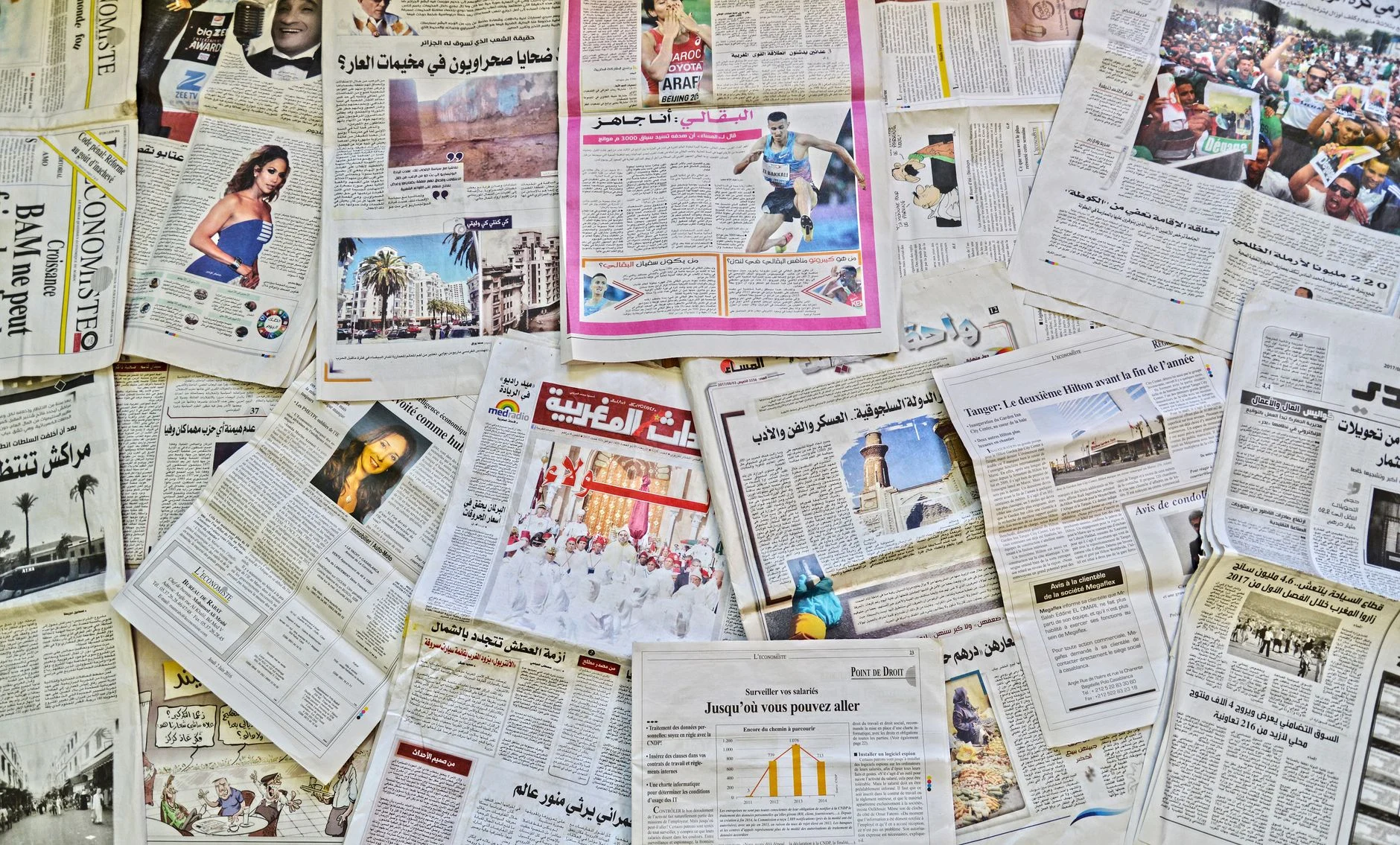
- Togo’s detention of French journalists reflects a tightening grip on press freedom amid political sensitivities.
- West Africa is witnessing a broader pattern of state-led restrictions on independent reporting and foreign media presence.
- These actions complicate international journalism by increasing operational risks and curbing transparency.
- The evolving media landscape in West Africa underscores tensions between sovereignty claims and global norms of free expression.
The Rise of Press Freedom Challenges in West Africa: Case Study of Togo’s Recent Actions
What happened
In early 2024, Togo’s authorities detained two French journalists working for a major international news outlet, accusing them of violating national security laws. The journalists were reportedly investigating political unrest and governance issues, areas that have increasingly drawn official scrutiny. Their detention, followed by stringent controls on reporting activities, marks a notable escalation in the Togolese government’s approach to foreign media. Despite international diplomatic pressure and calls from press freedom organizations, the Togolese government has maintained a narrative linking the journalists’ activities to attempts at destabilization.
Why it matters
The incident highlights a critical juncture for press freedom in West Africa, where governments are balancing internal political control against the demands of international transparency. By targeting foreign journalists, states like Togo not only restrict independent scrutiny but also send a broader message to domestic and international media about the limits of permissible reporting. This constriction diminishes the capacity for accountability, undermines democratic processes, and complicates the work of journalists who seek to inform global audiences about the region’s socio-political realities. Moreover, these developments risk isolating West African states from international partnerships premised on openness and the rule of law.
Industry context
Press freedom in West Africa has faced increasing challenges over recent years, with a mix of legal, political, and extralegal pressures exerted on media practitioners. Several governments have introduced restrictive laws on digital and traditional media, often justified by concerns over national security, misinformation, or public order. Foreign correspondents, in particular, confront visa restrictions, surveillance, and occasional expulsions. This environment reflects broader geopolitical dynamics, including the influence of regional power brokers, international diplomatic sensitivities, and the strategic interests of foreign states. The media industry consequently operates within a complex matrix of state sovereignty assertions and the international community’s advocacy for free expression.
Analysis
Togo’s actions against French journalists can be understood through the prism of state sovereignty and the perceived threat posed by external scrutiny. Emerging democracies and autocratic regimes alike often respond to critical journalism with defensive measures designed to control narratives. In Togo’s case, the government’s approach signals anxiety over the domestic impact of foreign reporting, particularly when it exposes governance shortcomings or social unrest. This tactic exploits legal frameworks that are vaguely defined and selectively applied, allowing for flexible suppression of dissenting voices under the guise of legality. The reliance on accusations of national security breaches aligns with global trends where governments invoke broad security mandates to justify curtailing press freedoms.
At the same time, these measures risk backfiring by drawing international condemnation and galvanizing civil society both inside and outside the region. The international media’s role as a watchdog becomes even more crucial amid such restrictions, illuminating the trade-off between state control and the reputational costs of repression. Furthermore, the targeting of foreign journalists can have a chilling effect on local media, which may self-censor to avoid similar repercussions. This creates an ecosystem where information flows are constrained, and public discourse is impoverished.
What to watch next
The trajectory of press freedom in Togo and the wider West African region will be closely tied to upcoming political developments, including elections, social movements, and international diplomatic engagements. Key indicators to monitor include legislative changes affecting media operations, the treatment of both local and foreign journalists, and the responses of regional bodies such as ECOWAS (Economic Community of West African States). Outside actors, including foreign governments and international organizations, will play a significant role in shaping outcomes through advocacy, sanctions, or diplomatic pressure.
Additionally, technological factors—such as the use of digital surveillance and internet shutdowns—will influence how states manage information and restrict journalistic access. The resilience of media outlets and journalist networks, as well as their ability to adapt to these constraints, will also determine how effectively information continues to circulate. Ultimately, the balance between state interests and press freedom in West Africa remains precarious, with implications for governance, human rights, and the international community’s understanding of the region.
Ask AI about this story
Answers are based on this article and SN Media’s related coverage. AI can make mistakes.
Frequently asked questions
Why were the French journalists detained in Togo?
The journalists were detained for allegedly violating national security laws while investigating political unrest and governance issues, which are areas under increased official scrutiny in Togo.
How does Togou2019s treatment of foreign journalists reflect broader trends in West Africa?
Togou2019s actions exemplify a regional pattern where governments impose legal and extralegal restrictions on independent and foreign media, often justified by national security concerns, complicating press freedom and international journalism.
What are the potential consequences of these press freedom restrictions in Togo and West Africa?
These restrictions undermine accountability, democratic processes, and transparency, risk isolating states internationally, and may cause local media to self-censor, thereby limiting public discourse and information flow.
What factors will influence the future of press freedom in Togo and the region?
Future developments will depend on political events like elections and social movements, legislative changes, treatment of journalists, regional body responses such as from ECOWAS, international diplomatic actions, and technological controls like digital surveillance and internet shutdowns.
Continue the story
 LATEST
Gabon’s Debt Transparency Issues Highlight Risks in Emerging Market Bonds
LATEST
Gabon’s Debt Transparency Issues Highlight Risks in Emerging Market Bonds
- LATEST The Rising Risk for Comedians Under Authoritarian Regimes: Turkey’s Crackdown on Free Speech
- LATEST Inside Turkey’s Crackdown on Financial Fraud: The Detention of Top Executives
- LATEST How Falling Oil Prices Are Reshaping Global Market Sentiment Amid European Debt Worries
- LATEST How Rising Bond Yields Are Reshaping European Equity Markets