








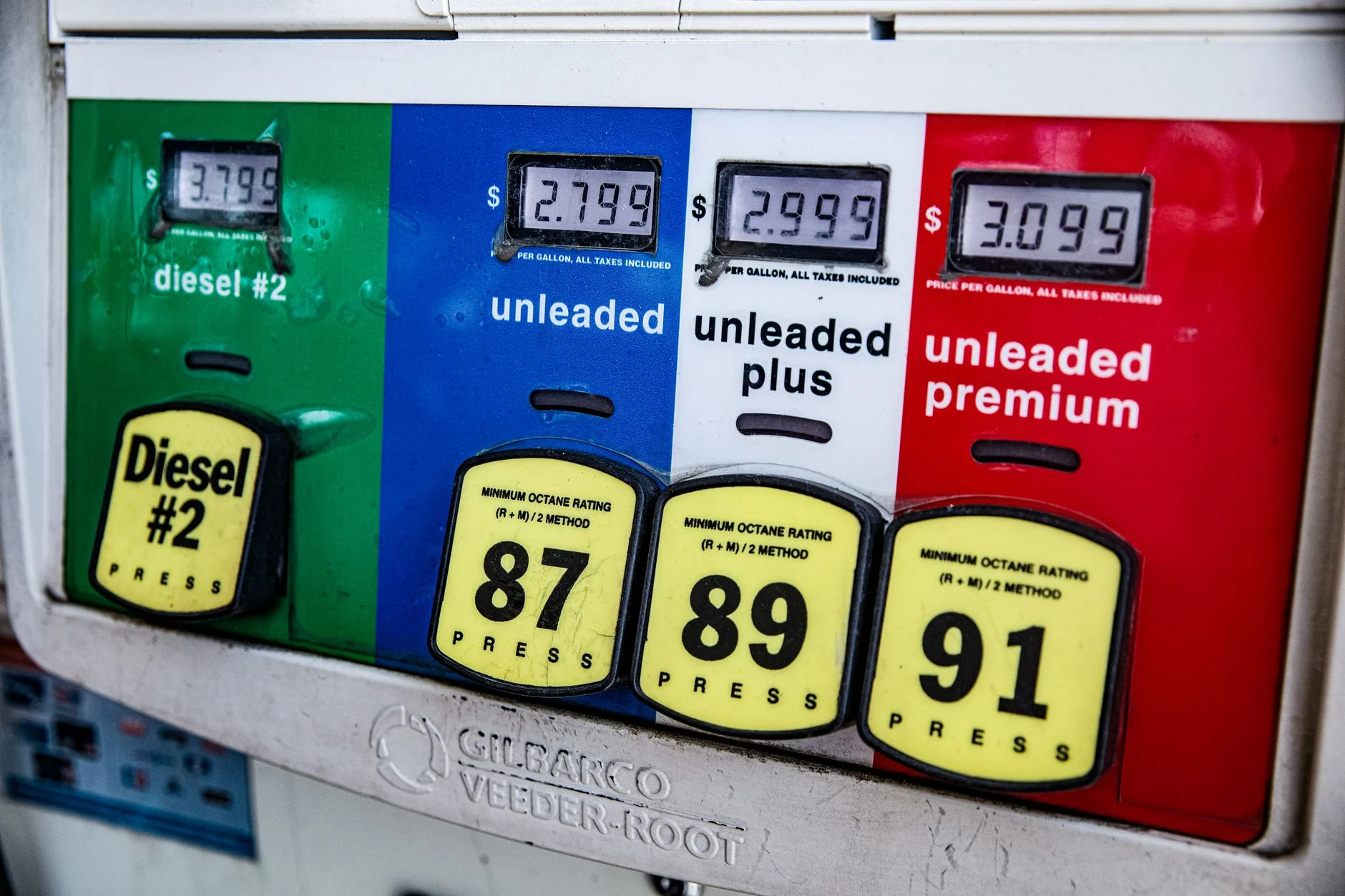
- Bolivia’s 84% diesel price hike targets large industrial consumers amid supply constraints.
- Increased fuel costs threaten to elevate production expenses in mining, manufacturing, and transport sectors.
- The price adjustment reflects government efforts to stabilize a volatile domestic fuel market.
- Secondary economic effects may include inflationary pressures and shifts in regional trade dynamics.
What happened
On August 17, 2026, the Bolivian government enacted a significant increase in diesel prices specifically affecting large-scale consumers, raising the cost by approximately 84%. This measure was introduced as a response to acute supply shocks in the domestic fuel market, which had strained availability and led to disruptions in key sectors reliant on diesel. The price revision exclusively targets industrial and commercial buyers with high consumption levels, leaving retail prices for smaller users largely unaffected. This selective approach indicates an attempt to balance supply stabilization with political and social sensitivities surrounding fuel affordability.
Why it matters
Diesel is a cornerstone input for Bolivia’s energy-intensive industries, including mining—the country’s economic mainstay—and transportation logistics, which underpin both domestic commerce and export activities. An abrupt increase of this magnitude translates directly into higher operational costs, squeezing profit margins or forcing price adjustments downstream. Given Bolivia’s reliance on mineral exports and raw material processing, the diesel price surge threatens to elevate production costs at a systemic level. This development can ripple through the broader economy, potentially exacerbating inflation and altering competitiveness in regional markets.
Industry context
Bolivia’s industrial sectors have historically operated under subsidized fuel pricing regimes, a legacy of social policies designed to protect vulnerable populations and maintain industrial output. However, global energy market volatility and domestic supply bottlenecks have challenged this model. The mining sector, which accounts for a significant share of Bolivia’s GDP and export revenue, consumes vast quantities of diesel for machinery, transportation, and refining processes. Similarly, manufacturing and freight transport depend on stable fuel supplies at predictable costs. Prior attempts to recalibrate fuel subsidies met with resistance due to concerns over social unrest and inflation. The current price adjustment thus represents an inflection point in the government’s energy policy, seeking to reconcile fiscal sustainability with economic stability.
Analysis
The immediate effect of the diesel price hike is an increase in production costs for large consumers, which may lead to several strategic responses. Mining companies might curtail output or accelerate automation to reduce fuel dependency, while manufacturers could explore alternative energy sources or pass costs onto consumers. Transport operators face a direct impact on logistics costs, influencing supply chains and potentially raising prices for goods. The government’s selective pricing approach attempts to shield small consumers from inflationary shocks, yet the interconnected nature of industrial costs suggests some inflationary transmission is unavoidable.
Moreover, the pricing shift may prompt a reconfiguration of regional trade flows. Competitors in neighboring countries with more stable or subsidized fuel prices could gain relative advantages, pressuring Bolivian exporters. Conversely, the policy might incentivize investment in fuel efficiency and renewable energy adoption, aligning with longer-term sustainability goals. The government’s challenge lies in managing these trade-offs amid fluctuating global energy markets and domestic economic pressures.
What to watch next
Key indicators to monitor include industrial output levels, especially within mining and manufacturing, to assess how companies adapt to increased fuel costs. Inflation rates and consumer price indices will provide insight into the broader economic impact. Additionally, shifts in Bolivia’s export volumes and trade balances could reveal competitive effects stemming from the price change. Policy signals regarding further energy market reforms or subsidy adjustments will also be critical, as will the development of alternative fuel infrastructure. International actors, including regional trade partners and energy suppliers, may influence or respond to Bolivia’s evolving fuel pricing strategy, shaping the country’s economic trajectory in the coming quarters.
Ask AI about this story
Answers are based on this article and SN Media’s related coverage. AI can make mistakes.
Continue the story
 LATEST
The Impact of Bolivia’s Half a Million Miners on Global Critical Minerals Supply
LATEST
The Impact of Bolivia’s Half a Million Miners on Global Critical Minerals Supply
- LATEST The Economic Impact of Rising Diesel Prices on Scottish Businesses
- LATEST Global Fuel Supply Chains Under Strain: How Geopolitics Are Driving Diesel Prices Up
- LATEST Europe’s Strategic Fuel Reserves: Can Releasing Stocks Ease Diesel Price Inflation?
- LATEST How Rising Oil Prices Are Reshaping Global Inflation Expectations